A Comprehensive Guide to Agricultural Robots: Transforming Modern Farming


Introduction to Agricultural Robots
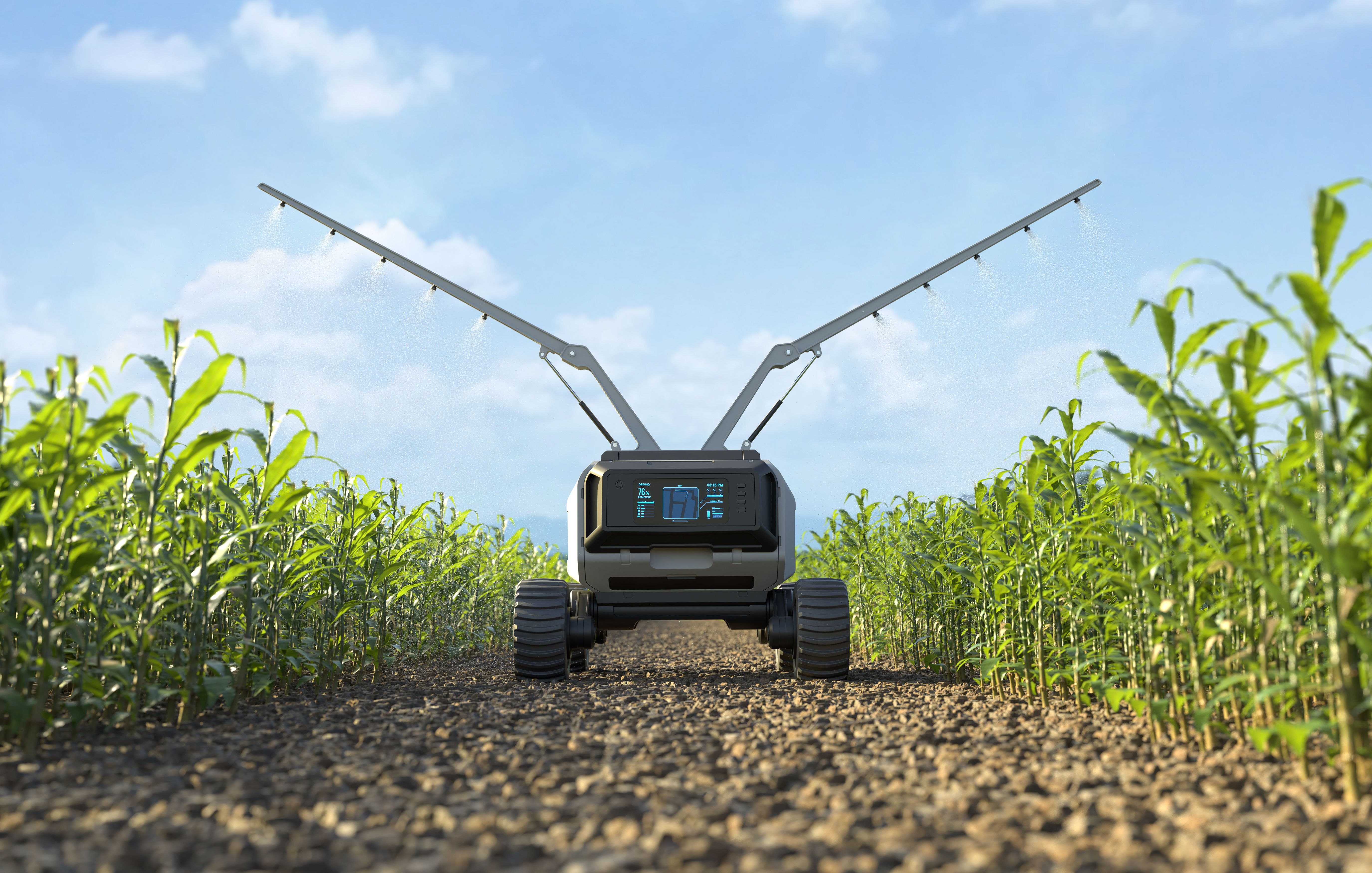
The advent of agricultural robots is transforming modern farming, introducing unprecedented efficiency and innovation. These advanced machines are designed to perform a variety of tasks, from planting to harvesting, reducing the reliance on manual labor and enhancing productivity.
Types of Agricultural Robots
Autonomous Tractors
Autonomous tractors are revolutionizing how fields are plowed and prepared. Equipped with GPS and advanced sensors, these tractors can operate without human intervention, ensuring precise cultivation and reducing soil compaction.
Harvesting Robots
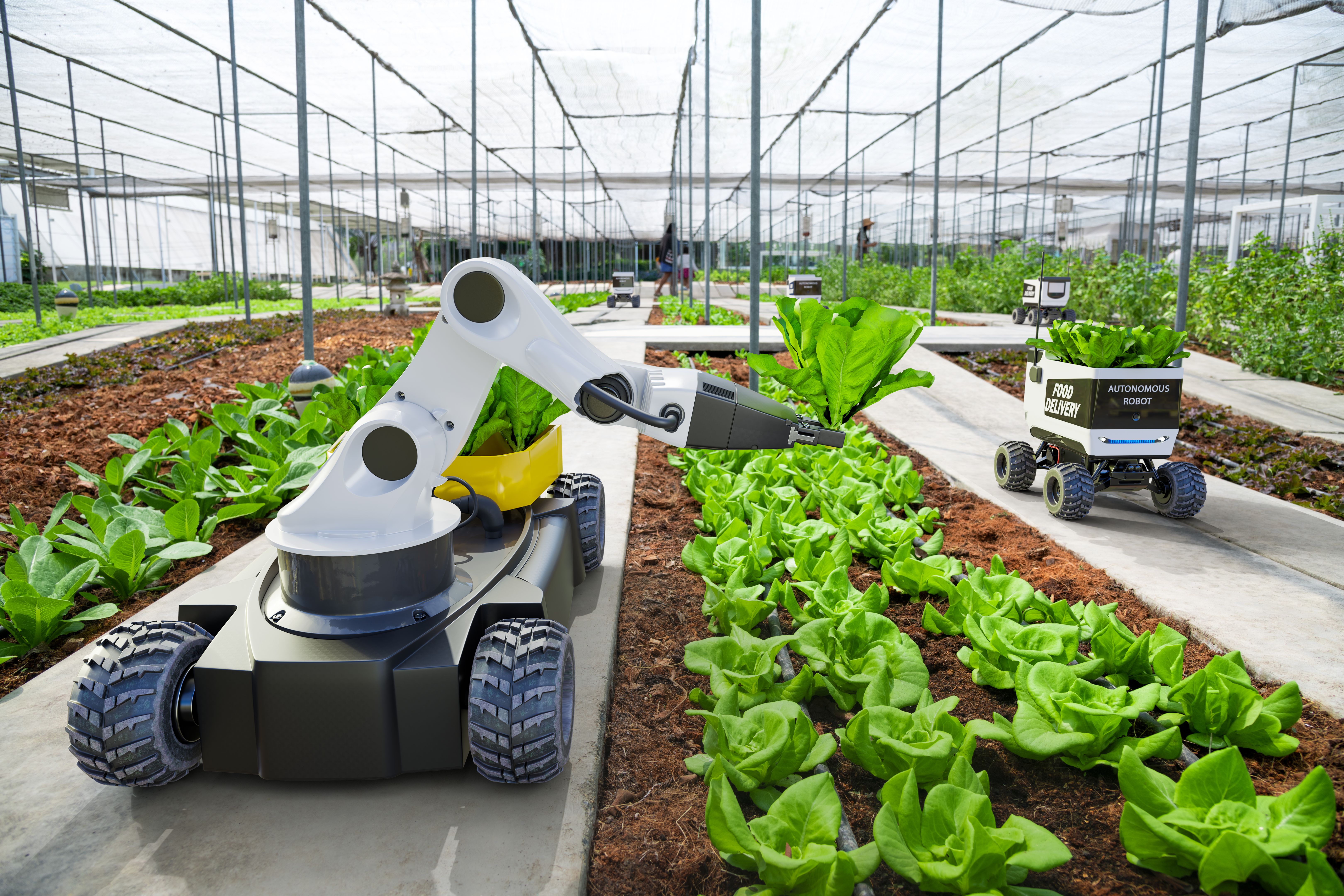
Harvesting robots are designed to pick fruits and vegetables with incredible accuracy. These robots use cameras and machine learning algorithms to identify ripe produce, minimizing waste and ensuring consistent quality.
Benefits of Agricultural Robots
Agricultural robots offer numerous benefits, from increasing yield and reducing labor costs to improving the precision of farming practices. They allow farmers to manage large areas with minimal effort, leading to more sustainable practices.
- Efficiency: Robots work around the clock, increasing productivity.
- Precision: Advanced sensors ensure tasks are performed accurately.
- Sustainability: Reduced resource wastage and environmental impact.

Challenges and Considerations
Despite the advantages, integrating robots into agriculture presents challenges such as high initial costs and the need for technical expertise. Farmers must also consider the potential impact on employment and the need for ongoing maintenance.
The Future of Farming
As technology advances, the role of agricultural robots will continue to grow. Innovations in AI and machine learning are expected to further enhance their capabilities, enabling more autonomous and intelligent farming solutions.

Conclusion
Agricultural robots are set to play a pivotal role in the future of farming. By embracing these technologies, farmers can achieve greater efficiency and sustainability, ensuring a secure and productive agricultural future for the next generations.