A Guide to Farm Automation: From Traditional to High-Tech in Denver County


Introduction to Farm Automation
Denver County, known for its agricultural heritage, is experiencing a transformation with the integration of farm automation. This shift from traditional methods to high-tech solutions is helping farmers enhance productivity and sustainability. As technology evolves, understanding these changes becomes crucial for modern farming success.

The Evolution of Farming Practices
Traditional farming in Denver County relied heavily on manual labor and basic machinery. However, as challenges such as labor shortages and climate change emerged, the need for more efficient practices became evident. The transition to automated systems addresses these issues, offering tools that can perform tasks with precision and minimal human intervention.
Farm automation encompasses a range of technologies such as robotics, drones, and IoT devices. These innovations are designed to streamline operations, reduce waste, and optimize resource use, ultimately boosting farm profitability.
Benefits of Automation
The advantages of adopting automation in agriculture are numerous. Here are a few key benefits:
- Increased Efficiency: Automated systems can operate continuously, improving productivity and reducing downtime.
- Precision Farming: Technologies like GPS and sensors enable precise planting, watering, and harvesting, enhancing crop yield quality.
- Cost Reduction: By minimizing manual labor and resource usage, farmers can significantly cut operational costs.
Implementing High-Tech Solutions
For many farmers, the shift to high-tech solutions begins with understanding their specific needs and challenges. Consulting with agricultural technology experts can provide insights into the most suitable technologies for each farm’s unique conditions.
Key technologies being adopted include:
- Robotics: Used for planting, weeding, and harvesting, reducing the need for manual labor.
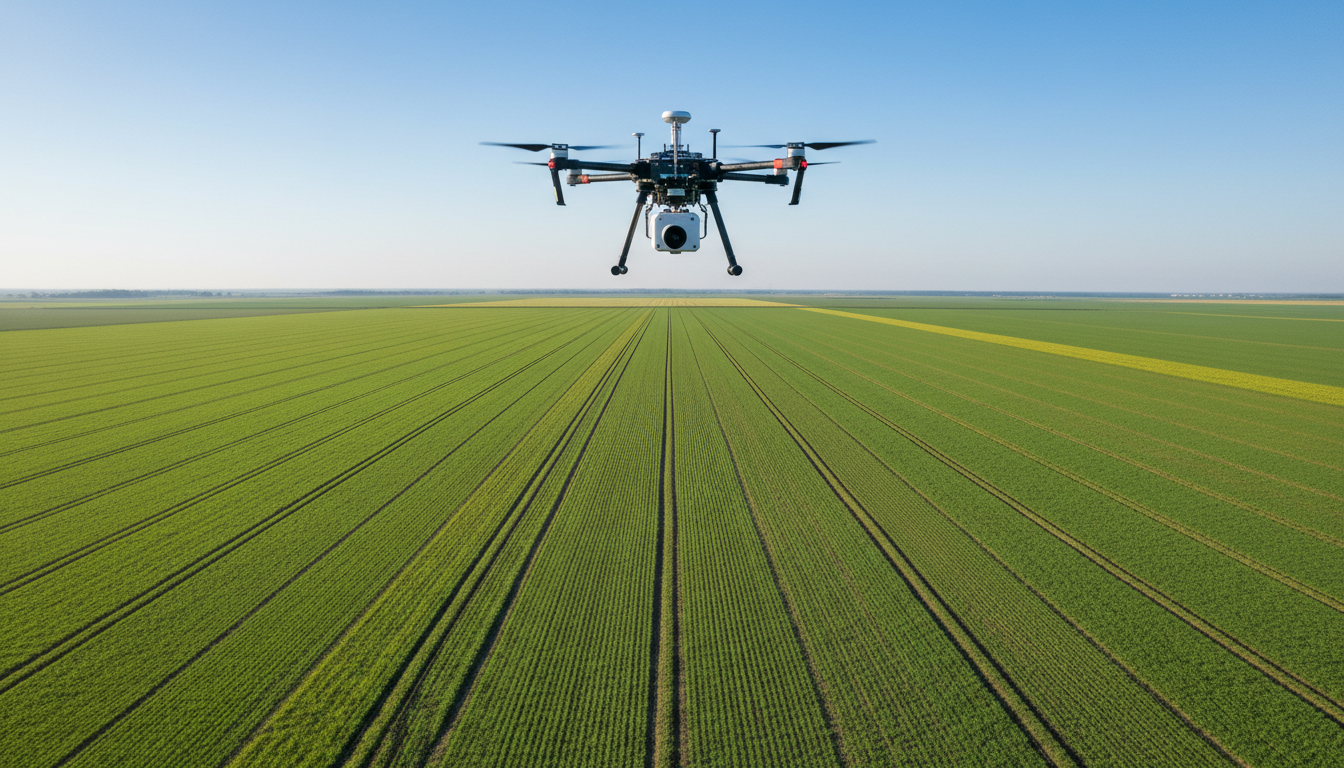
- Drones: Provide aerial views for monitoring crop health, irrigation needs, and pest infestations.
- IoT Sensors: Monitor soil moisture, weather conditions, and livestock health in real-time.
Challenges and Considerations
While the benefits are clear, transitioning to automated systems comes with challenges. Initial costs can be high, and there may be a learning curve associated with new technologies. Additionally, farmers must consider data security and privacy issues, as many systems rely on cloud-based data storage.

The Future of Farming in Denver County
As farm automation continues to advance, Denver County is poised to lead in sustainable and efficient agricultural practices. By embracing technology, farmers can not only increase their yields but also contribute to a more environmentally friendly approach to farming.
Looking ahead, innovations such as AI and machine learning are expected to further revolutionize agriculture, offering even greater efficiencies and insights. Denver County’s farming community is well-positioned to thrive in this new era of agriculture.