A Guide to Preparing Your Farm for Seasonal Changes with Robotics


Understanding the Role of Robotics in Farming
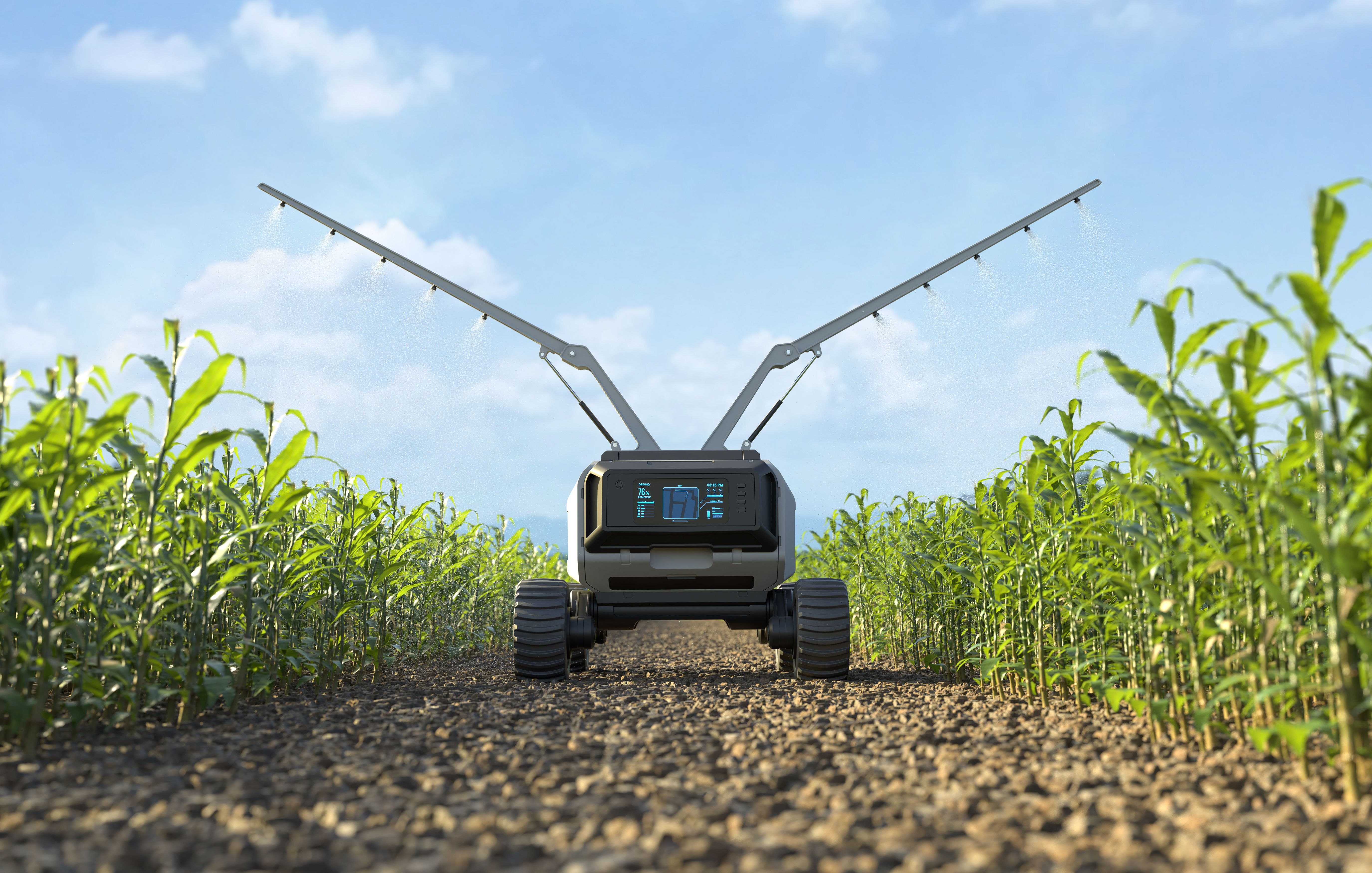
The advancement of technology has revolutionized many industries, and agriculture is no exception. Robotics plays a crucial role in modern farming, offering innovative solutions to manage seasonal changes effectively. As farmers face varying weather conditions and crop cycles, integrating robotics can optimize operations and improve productivity.
Assessing Your Farm's Specific Needs
Before implementing robotics, it's essential to assess your farm's specific needs. Consider factors such as the size of your farm, the types of crops you grow, and the typical challenges you face during seasonal changes. This assessment will help you identify which robotic solutions will be most beneficial for your operations.
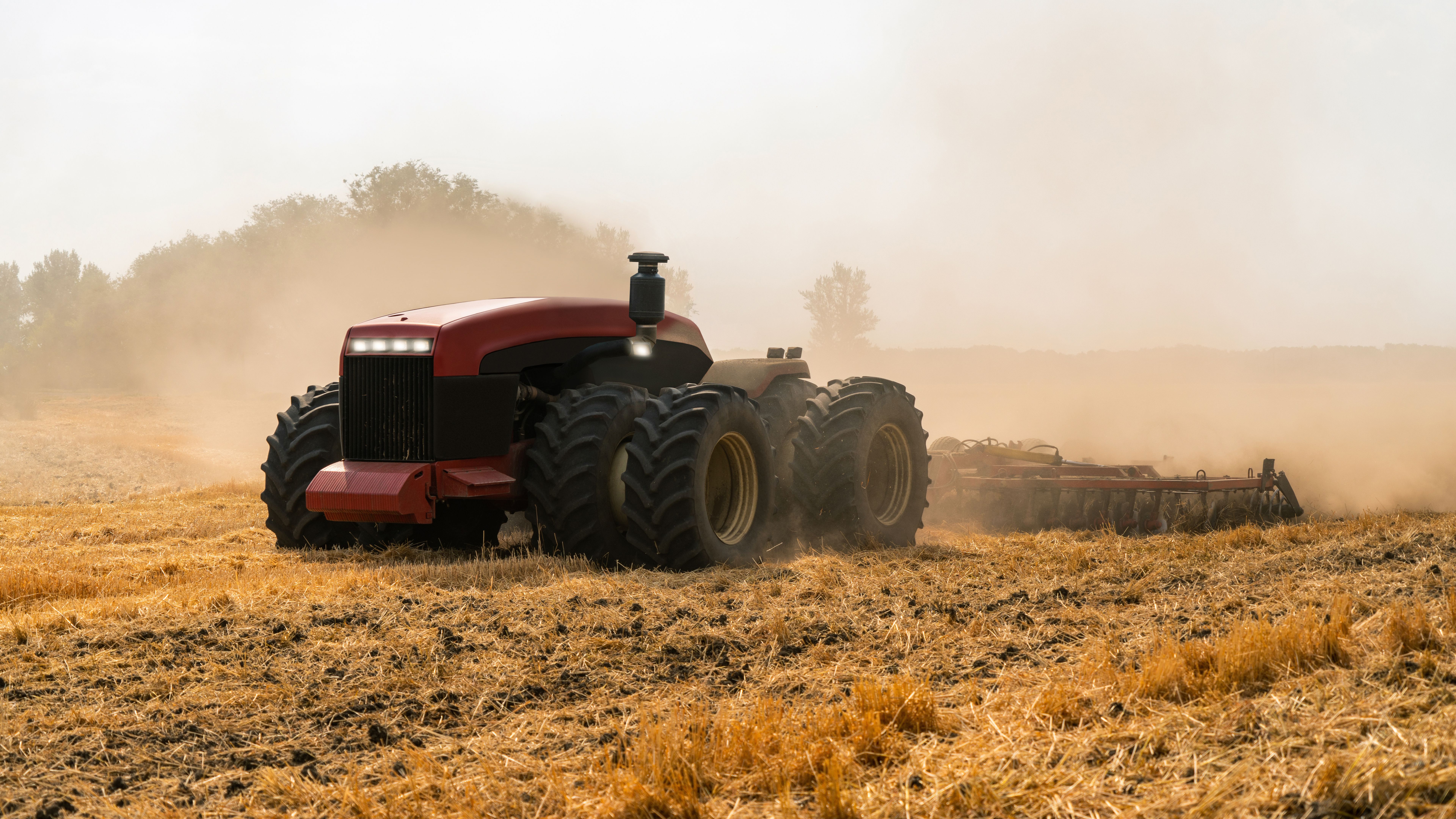
For instance, if your farm is large and labor-intensive, investing in autonomous tractors and drones might be a wise decision. These machines can help with planting, monitoring, and harvesting, reducing the need for manual labor and increasing efficiency.
Choosing the Right Robotics Solutions
Once you have assessed your needs, the next step is to choose the right robotics solutions. Here are some popular options:
- Autonomous Tractors: These machines can perform tasks such as plowing, planting, and harvesting without human intervention.
- Drones: Equipped with cameras and sensors, drones can monitor crop health, assess field conditions, and even apply fertilizers.
- Robotic Harvesters: Ideal for picking fruits and vegetables, these robots can work faster and more accurately than human labor.
Integrating Robotics with Existing Systems
Integrating robotics with your existing systems requires careful planning. Start by ensuring that your current infrastructure can support new technologies. This may involve upgrading software, setting up communication networks, or training staff to work with robotic systems.
It's also important to consider the compatibility of new robotic solutions with existing machinery and processes. This integration will ensure a seamless transition and maximize the benefits of automation.
Training and Maintenance
Training your team to operate and maintain robotic systems is crucial for long-term success. Provide comprehensive training sessions that cover the operation, troubleshooting, and maintenance of new equipment. This will empower your staff to handle any issues that arise and maintain optimal performance.

Monitoring and Optimizing Performance
After implementing robotics, continuous monitoring is vital to ensure everything runs smoothly. Use data analytics and sensors to track the performance of your robotic systems. This information will help you identify areas for improvement and optimize operations.
Regular maintenance checks and software updates are also essential to keep your robotic equipment functioning efficiently. Staying proactive will minimize downtime and enhance productivity.
Adapting to Future Technological Advancements
The world of robotics is constantly evolving, with new advancements emerging rapidly. Stay informed about the latest technologies and trends in agricultural robotics. Being adaptable and open to innovation will allow your farm to remain competitive and responsive to changing demands.
Conclusion: Embracing the Future of Farming
Preparing your farm for seasonal changes with robotics requires careful planning and execution. By understanding your farm's needs, choosing the right solutions, and ensuring proper integration and maintenance, you can harness the power of robotics to enhance productivity and sustainability. Embrace these technological advancements to secure the future of your farming operations.