A Local's Guide to Implementing Precision Agriculture in Denver County


Understanding Precision Agriculture
Precision agriculture, also known as precision farming, is transforming the way we approach agriculture. By utilizing technology to monitor and manage field variability, farmers can optimize crop yields and reduce waste. In Denver County, where diverse crops are grown, precision agriculture can play a crucial role in enhancing productivity and sustainability.
At its core, precision agriculture involves the use of GPS, remote sensing, and data analytics to make informed decisions about planting, fertilizing, and harvesting. This method allows farmers to apply resources only where they are needed, which can significantly cut costs and environmental impact.
Getting Started with Precision Agriculture
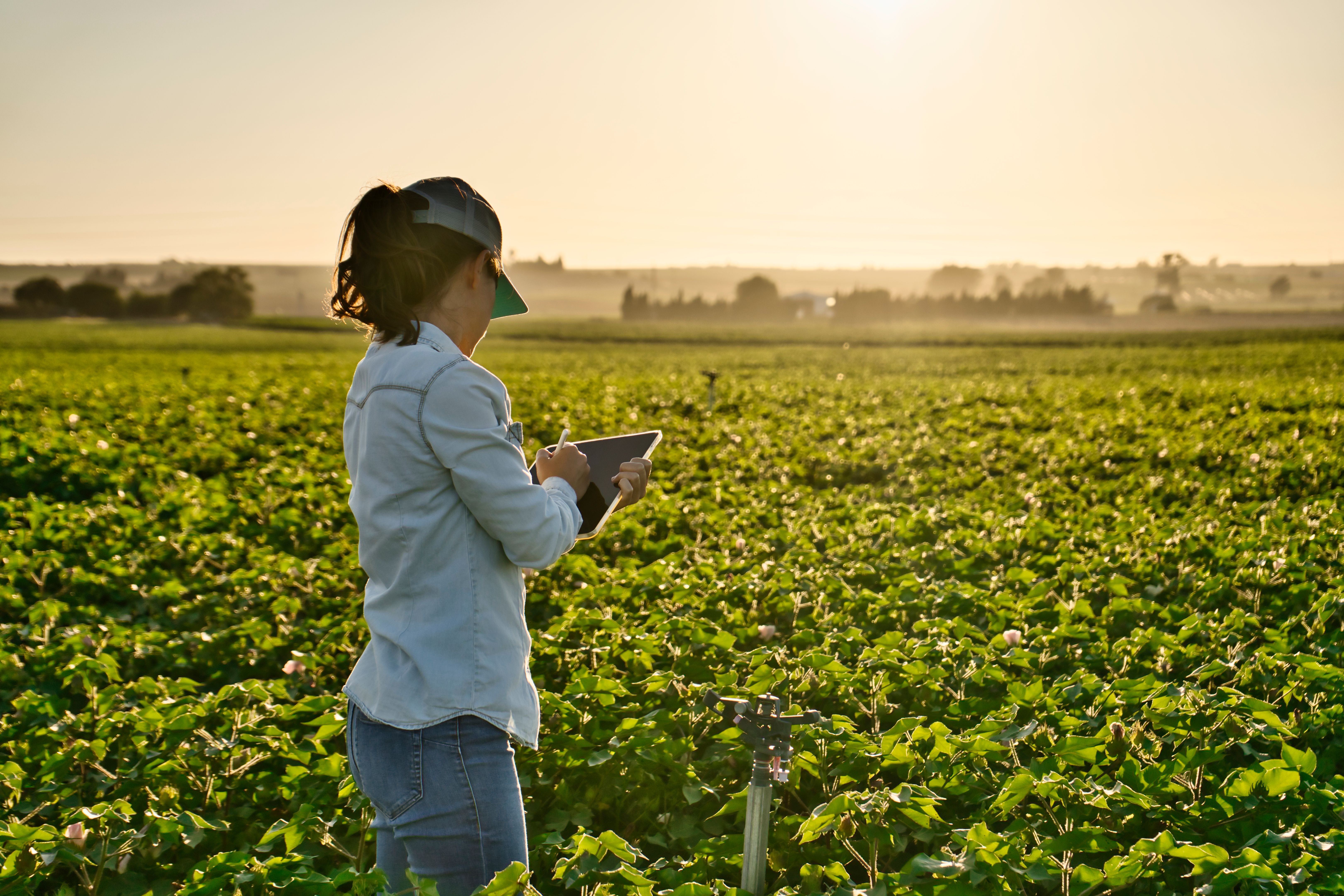
For farmers in Denver County looking to implement precision agriculture, the first step is to evaluate your current practices and identify areas for improvement. Start by gathering data on soil conditions, crop health, and weather patterns. This information will be vital for making precise adjustments to your farming practices.
Consider investing in a GPS-guided system for your equipment. These systems can help you plant crops more accurately, apply fertilizers precisely, and even automate certain tasks. Many local suppliers offer tailored solutions that can fit your specific needs.

Leveraging Technology and Data
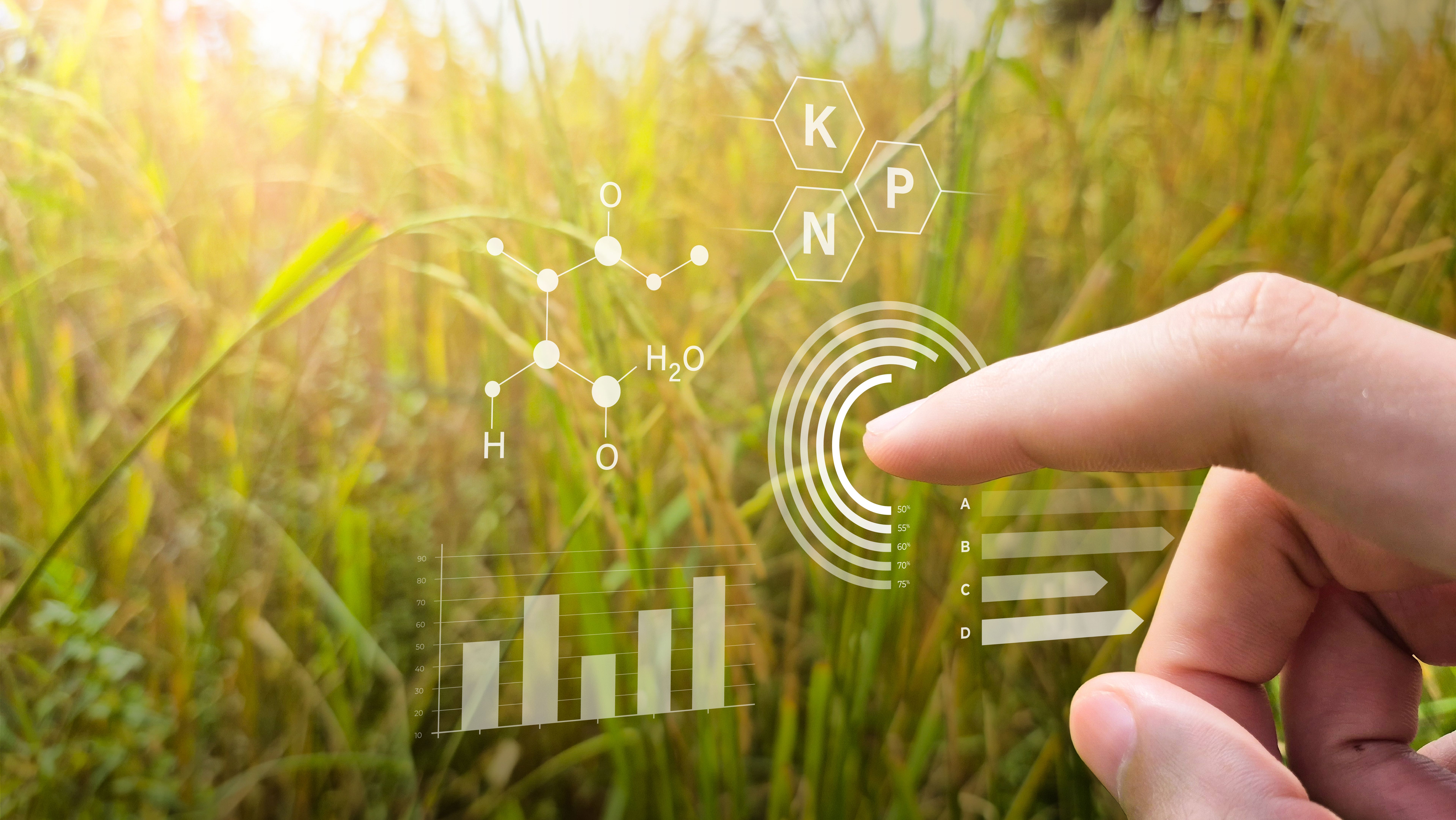
Data is the backbone of precision agriculture. Utilize soil sensors and drones to collect real-time data about your fields. These tools provide insights into soil moisture levels, nutrient availability, and pest pressures, allowing you to respond quickly to any issues.
There are also numerous software platforms designed to help farmers analyze data and make informed decisions. These platforms can integrate data from various sources, providing a comprehensive view of your farm's performance. Many of these tools offer user-friendly interfaces and support services to help you get the most out of your data.
Benefits and Challenges
Implementing precision agriculture in Denver County can lead to numerous benefits. Farmers can expect increased yields, reduced input costs, and improved environmental sustainability. Additionally, precision agriculture can help mitigate the effects of unpredictable weather patterns, which are becoming more common in the region.
However, there are challenges to consider. The initial investment in technology can be significant, and there is a learning curve associated with new tools and techniques. It's important to work with local experts and participate in training sessions to ensure a smooth transition.
Connecting with Local Resources
Denver County offers a variety of resources for farmers interested in precision agriculture. From local extension offices to agricultural technology providers, there are ample opportunities to learn and grow. Attend workshops and seminars to connect with other farmers and share experiences.
Collaborating with local universities and research institutions can also provide valuable insights and access to cutting-edge technology. Many of these organizations conduct ongoing studies and offer pilot programs that farmers can participate in.

Conclusion
Precision agriculture is not just a trend; it's the future of farming. By adopting these innovative practices, farmers in Denver County can achieve greater efficiency and sustainability. While the journey may require some investment and effort, the long-term benefits make it a worthwhile endeavor for any forward-thinking farmer.
Start small, learn continuously, and leverage local resources to make the most of precision agriculture. With dedication and the right tools, you can transform your farming practices and contribute to a more sustainable agricultural landscape in Denver County.