Boosting Farm Productivity: The Role of Robotics in Agriculture


Introduction to Robotics in Agriculture
In recent years, the agricultural sector has witnessed a technological revolution, with robotics playing a pivotal role. These innovations are not just enhancing productivity but also transforming traditional farming methods. By integrating robotics, farmers can address critical challenges such as labor shortages and increasing demand for food.
The Advantages of Agricultural Robotics
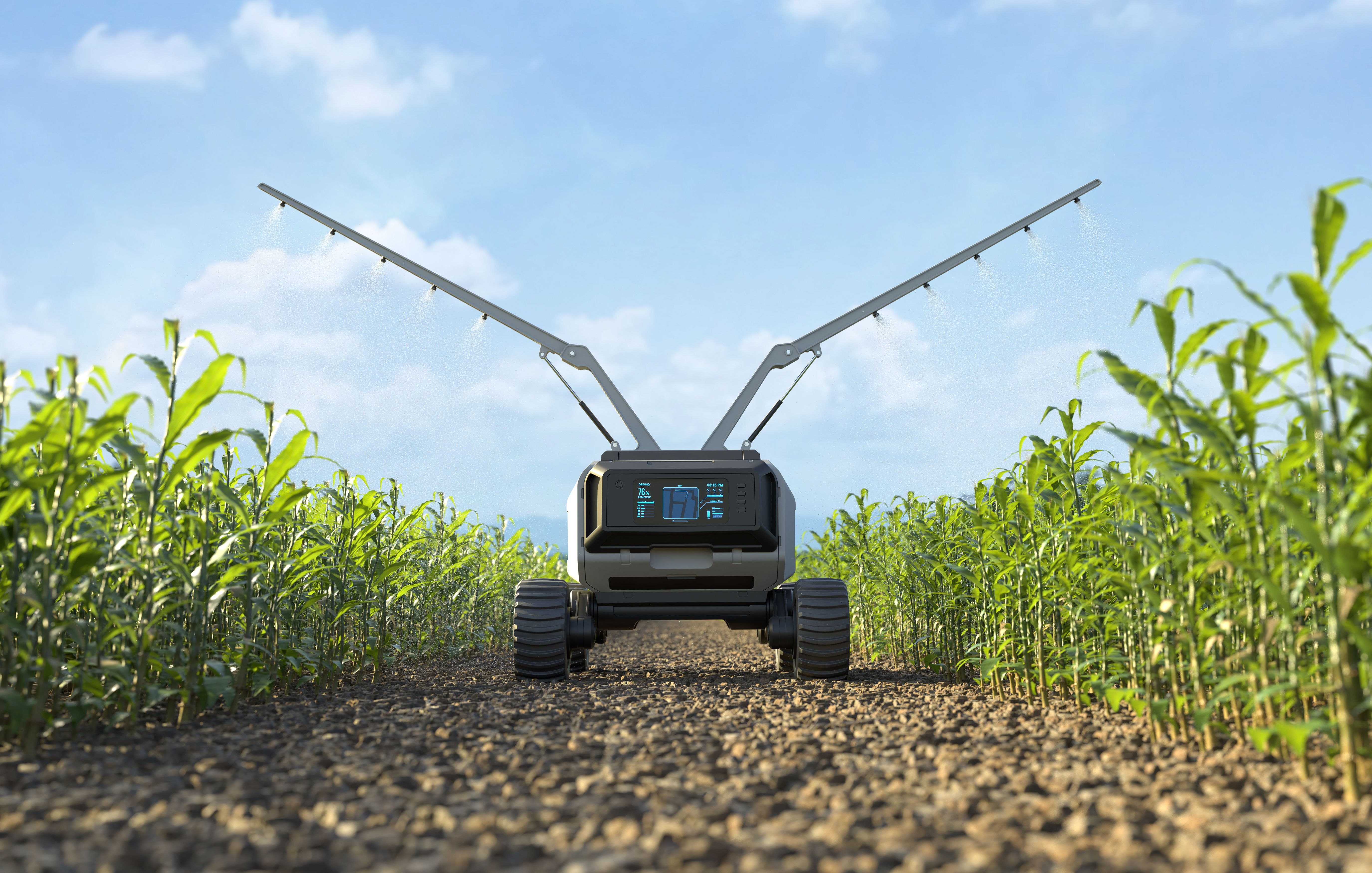
Robotics in agriculture offers numerous advantages. Firstly, it significantly increases efficiency by automating repetitive tasks. This not only saves time but also reduces the need for manual labor. Additionally, robots can work tirelessly in various weather conditions, ensuring consistent productivity.
Another benefit is the precision with which robots operate. Whether it's planting seeds, watering crops, or applying fertilizers, robots can execute tasks with pinpoint accuracy. This precision reduces wastage and enhances the overall quality of produce.
Improved Crop Monitoring
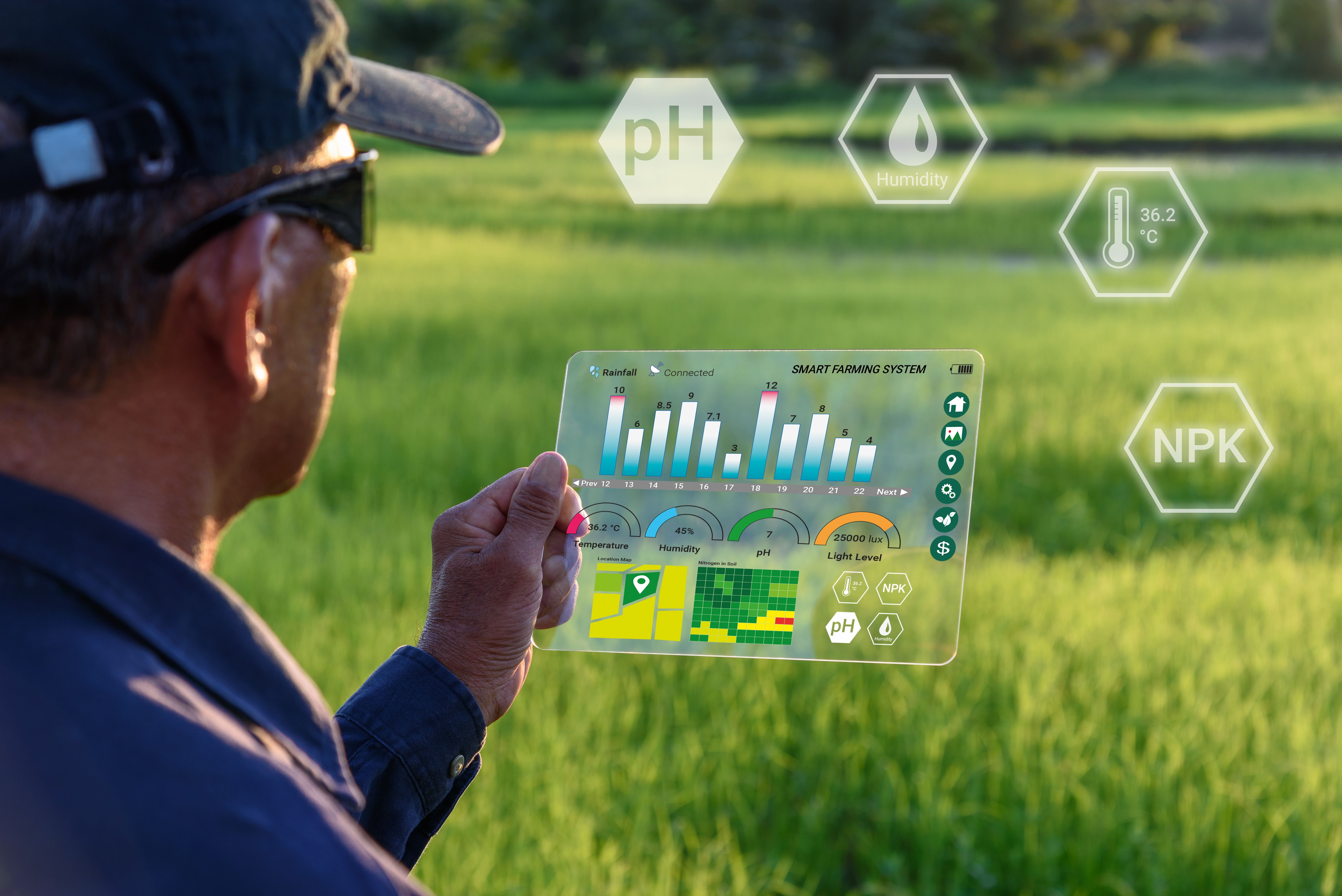
Robots equipped with advanced sensors and cameras can monitor crop health more effectively than humans. By analyzing data such as soil quality and plant health, farmers can make informed decisions to optimize crop yields. This proactive approach helps in early detection of diseases and pest infestations.
Types of Agricultural Robots
There are several types of robots used in agriculture, each designed for specific tasks. Harvesting robots are among the most popular, known for their ability to pick fruits and vegetables without damaging them. These robots use machine learning algorithms to identify ripe produce.
Additionally, weeding robots are gaining popularity. They use advanced vision systems to distinguish between crops and weeds, removing the latter with precision. This reduces the need for chemical herbicides, promoting sustainable farming practices.
Seeding and Planting Robots
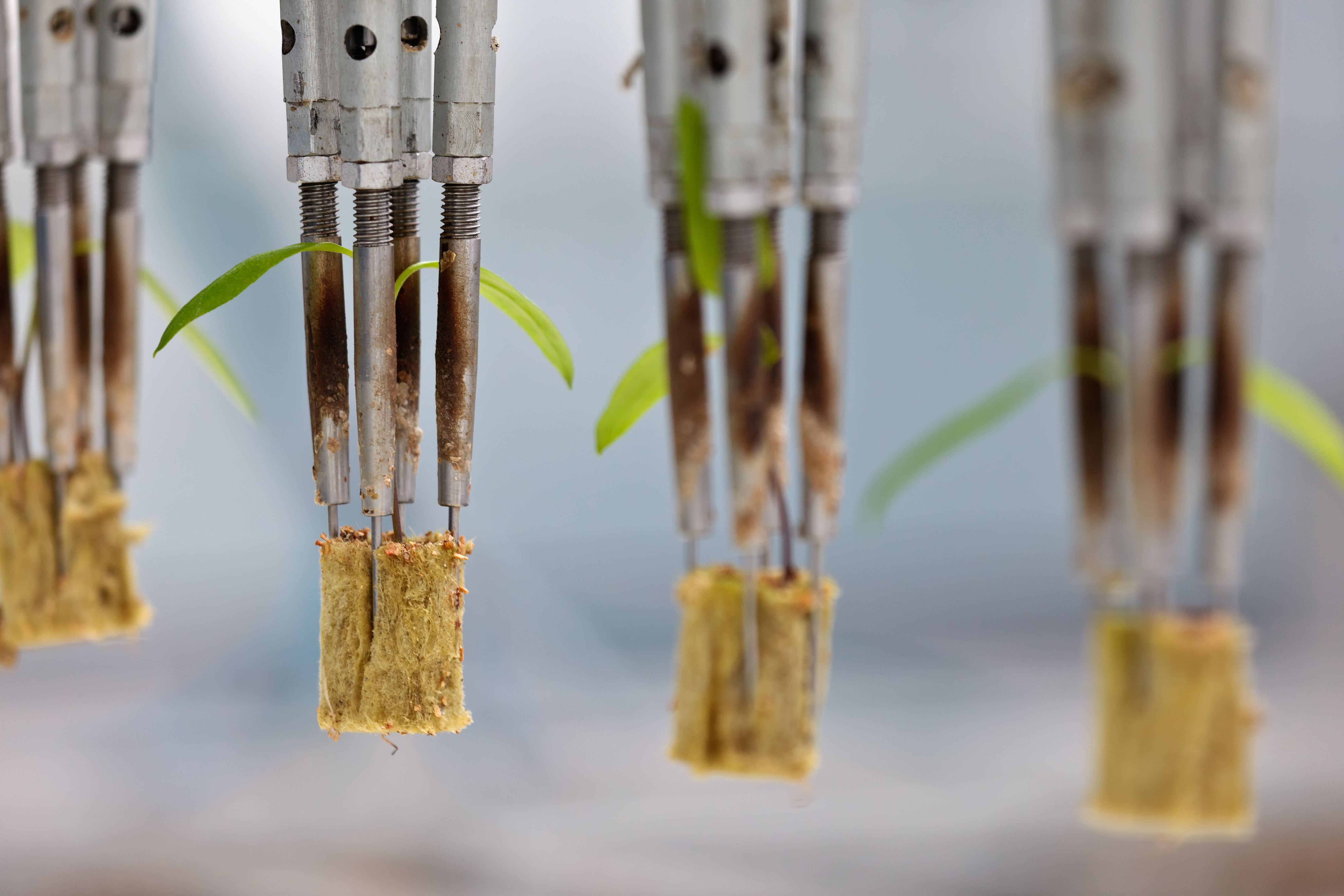
Seeding and planting robots are another innovation that boosts farm productivity. They ensure seeds are planted at the right depth and spacing, maximizing germination rates. This technology not only improves efficiency but also enhances crop yields.
Challenges and Future Prospects
Despite the benefits, there are challenges in adopting robotics in agriculture. High initial costs and the need for technical expertise can be barriers for small-scale farmers. However, as technology advances, these obstacles are gradually diminishing.
The future of robotics in agriculture looks promising. With continuous advancements, robots are expected to become more affordable and accessible. This will enable even more farmers to adopt robotic solutions, further boosting productivity and sustainability.
Conclusion
Robotics is undeniably reshaping the agricultural landscape. By enhancing efficiency, precision, and sustainability, these technologies are addressing some of the most pressing challenges in farming today. As we look to the future, the integration of robotics in agriculture holds the potential to revolutionize food production, ensuring food security for generations to come.