Breaking Down Myths: The Truth About Automated Farming


Understanding Automated Farming
In recent years, automated farming has emerged as a revolutionary approach to agriculture. Despite its growing popularity, there are numerous myths surrounding this technology. It's essential to understand the realities of automated farming to appreciate its potential benefits fully.
Myth: Automated Farming Eliminates Jobs
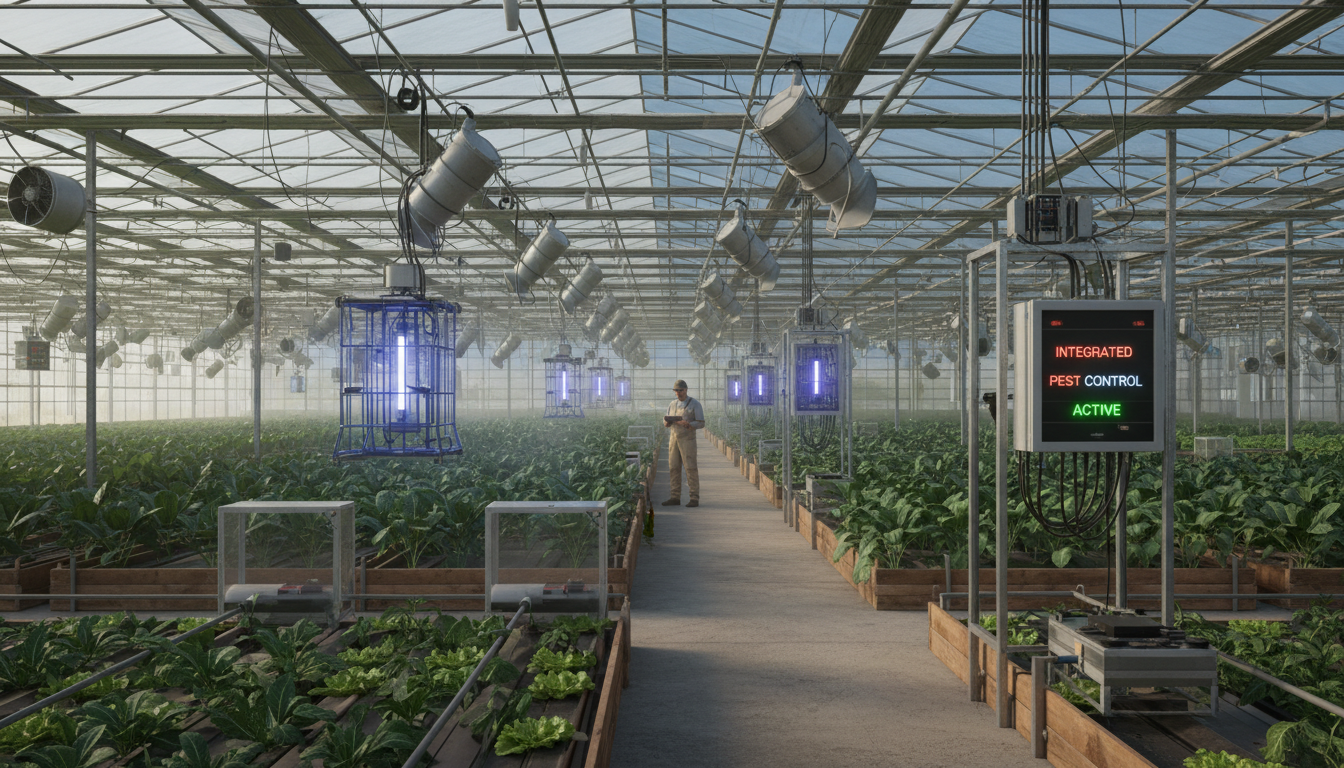
A common misconception is that automated farming will lead to significant job losses. However, the reality is more nuanced. While automation can reduce the need for manual labor in certain tasks, it also creates new opportunities. The demand for skilled workers to manage and maintain this technology is increasing, leading to the creation of specialized jobs in programming, engineering, and data analysis.
Myth: Automated Farming Is Only for Large-Scale Operations
Another myth is that automated farming technologies are only accessible to large-scale agricultural businesses. In truth, advancements in technology are making automation more affordable and adaptable for smaller farms. Many solutions are scalable, allowing farms of all sizes to benefit from increased efficiency and productivity.

The Benefits of Automated Farming
Automated farming offers several advantages that can transform the agricultural landscape. By integrating technology, farmers can improve crop yields, reduce waste, and make more informed decisions. Here are some key benefits:
- Precision Agriculture: Automated systems allow for precise planting, watering, and harvesting, optimizing resource use.
- Data-Driven Decisions: Sensors and drones collect valuable data, enabling farmers to make informed choices about crop management.
- Environmental Impact: Automation can help reduce the environmental footprint by minimizing the use of water, fertilizers, and pesticides.
Myth: Automated Farming Compromises Quality
Some believe that automation leads to a decline in the quality of produce. However, automated systems are designed to enhance quality by ensuring uniformity and monitoring conditions that affect growth. By utilizing real-time data, farmers can respond quickly to any issues, maintaining high standards throughout the production process.

The Future of Automated Farming
As technology continues to evolve, the future of automated farming looks promising. Innovations such as AI and machine learning are set to further enhance operational efficiency and sustainability. Farmers who embrace these technologies can expect to see significant improvements in their operations.
Embracing Change
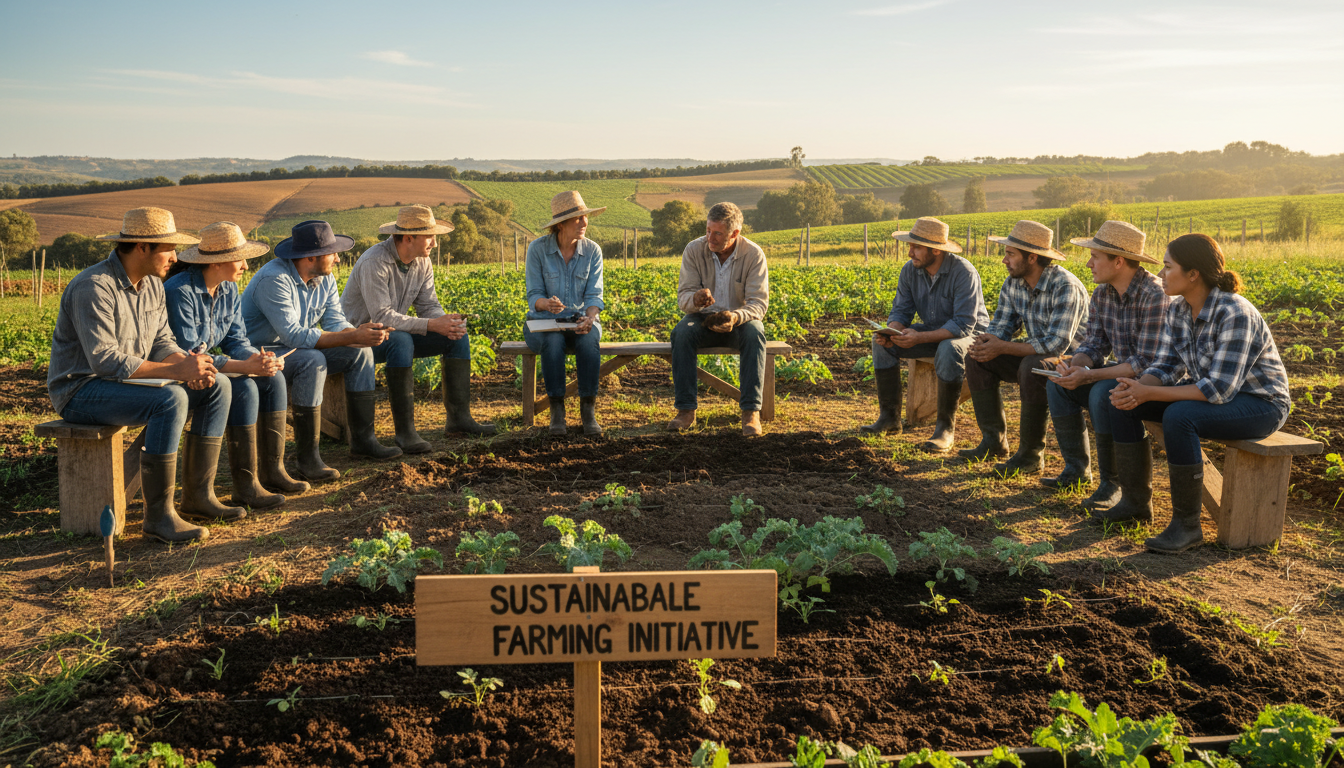
Transitioning to automated farming requires a shift in mindset. Farmers must be open to learning and adapting to new technologies. Support from government initiatives and agricultural organizations can facilitate this transition, making it smoother and more accessible for all.
In summary, automated farming represents a significant step forward in the evolution of agriculture. By debunking myths and understanding its true potential, the agricultural community can embrace a future where technology and tradition work hand in hand to feed a growing global population.