Busting Myths About Agricultural Robots: What Farmers in Denver County Need to Know


As technology continues to advance, the agricultural sector is witnessing a revolutionary shift with the introduction of robotic solutions. However, there are several myths surrounding agricultural robots that can lead to misconceptions, especially among farmers in Denver County. Let’s explore these myths and uncover the truths behind them.
Myth 1: Agricultural Robots Are Too Expensive
One of the most common myths is that agricultural robots are prohibitively expensive and only accessible to large-scale farms. While it’s true that some advanced robots can be costly, there are many affordable options designed for smaller farms. Additionally, the long-term savings in labor costs and increased efficiency often outweigh the initial investment.
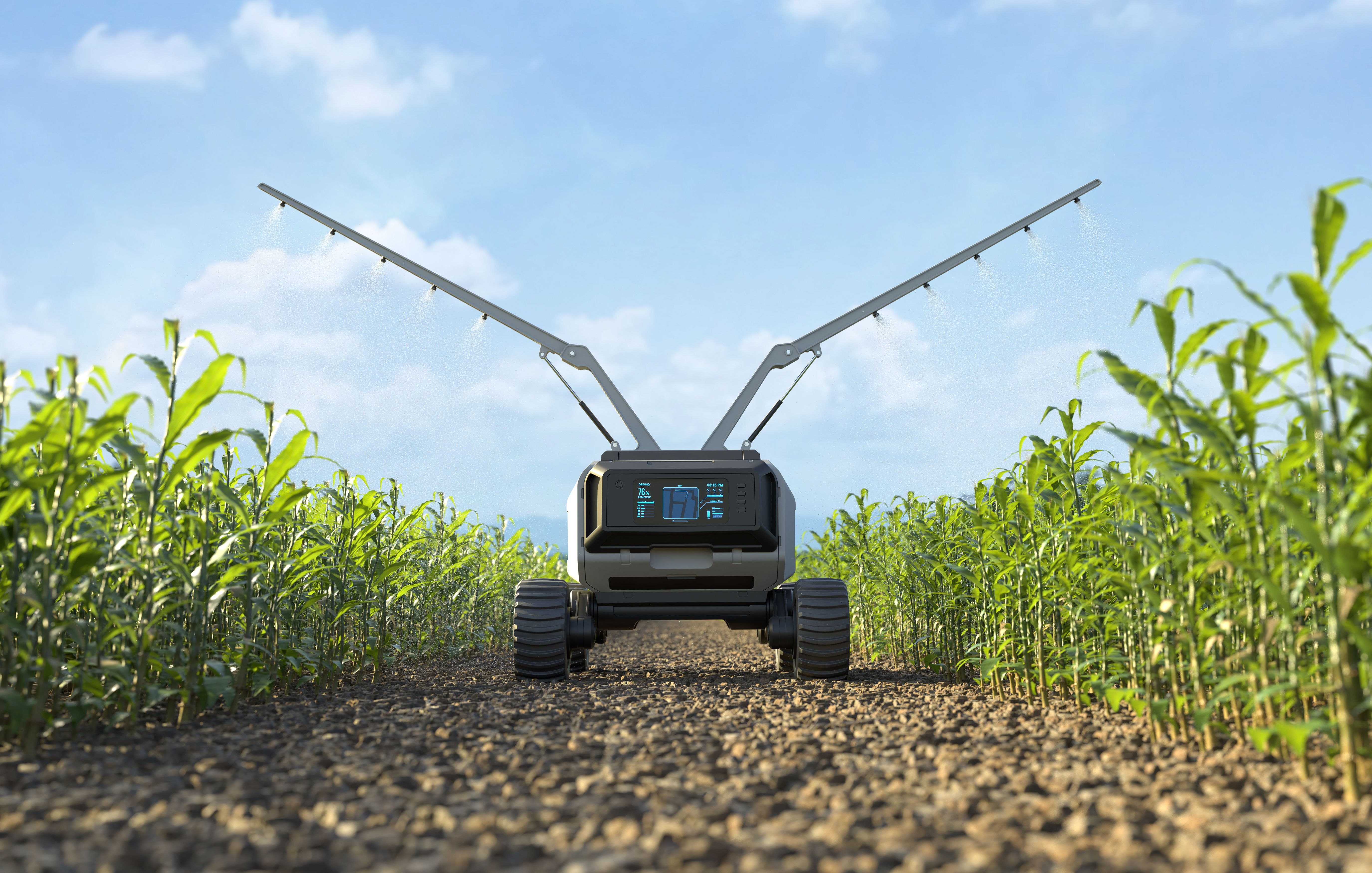
In fact, many manufacturers offer leasing options or financial assistance programs to make these technologies more accessible. As robots become more mainstream, their costs are expected to decrease further, making them a viable option for farmers of all sizes.
Myth 2: Robots Will Replace Human Labor
Another prevalent concern is that robots will take over jobs, leaving many farmworkers unemployed. However, agricultural robots are designed to complement human labor, not replace it. These machines perform repetitive and physically demanding tasks, allowing human workers to focus on more complex and decision-making roles.
Robotics in agriculture can lead to job transformation rather than elimination. As the demand for skilled workers to operate and maintain these machines grows, new employment opportunities will arise in the sector.
Myth 3: Robots Are Too Complex to Operate
Many farmers worry about the complexity of operating advanced agricultural robots. However, most modern robots are designed with user-friendly interfaces and require minimal training. Manufacturers provide comprehensive training and support to ensure smooth integration into farming operations.
Moreover, many robots come with intuitive software that allows farmers to monitor and control them easily via smartphones or tablets, making them accessible even to those with limited technical expertise.
Myth 4: Robots Are Not Reliable
Some skeptics argue that robots are prone to malfunction and cannot be relied upon for critical farming tasks. While no technology is entirely free from issues, agricultural robots are built to withstand harsh field conditions and perform consistently over time.
Regular maintenance and updates ensure that these machines operate efficiently. Farmers who have adopted robotic solutions report significant improvements in productivity and reliability compared to traditional methods.
Conclusion: Embracing the Future
As we debunk these myths, it becomes clear that agricultural robots offer numerous benefits, including increased efficiency, cost savings, and enhanced job opportunities. Farmers in Denver County and beyond should consider exploring these technologies to stay competitive in the evolving agricultural landscape.
By embracing these innovations, farmers can improve their operations while ensuring sustainability and productivity for future generations.