Buyer’s Guide: Choosing the Right Automated Irrigation System for Your Farm


Understanding Automated Irrigation Systems
Automated irrigation systems have revolutionized modern farming by offering precise control over water distribution. These systems not only conserve water but also ensure that crops receive the optimal amount of moisture. When choosing the right system for your farm, it's essential to consider several factors that can impact both efficiency and cost.
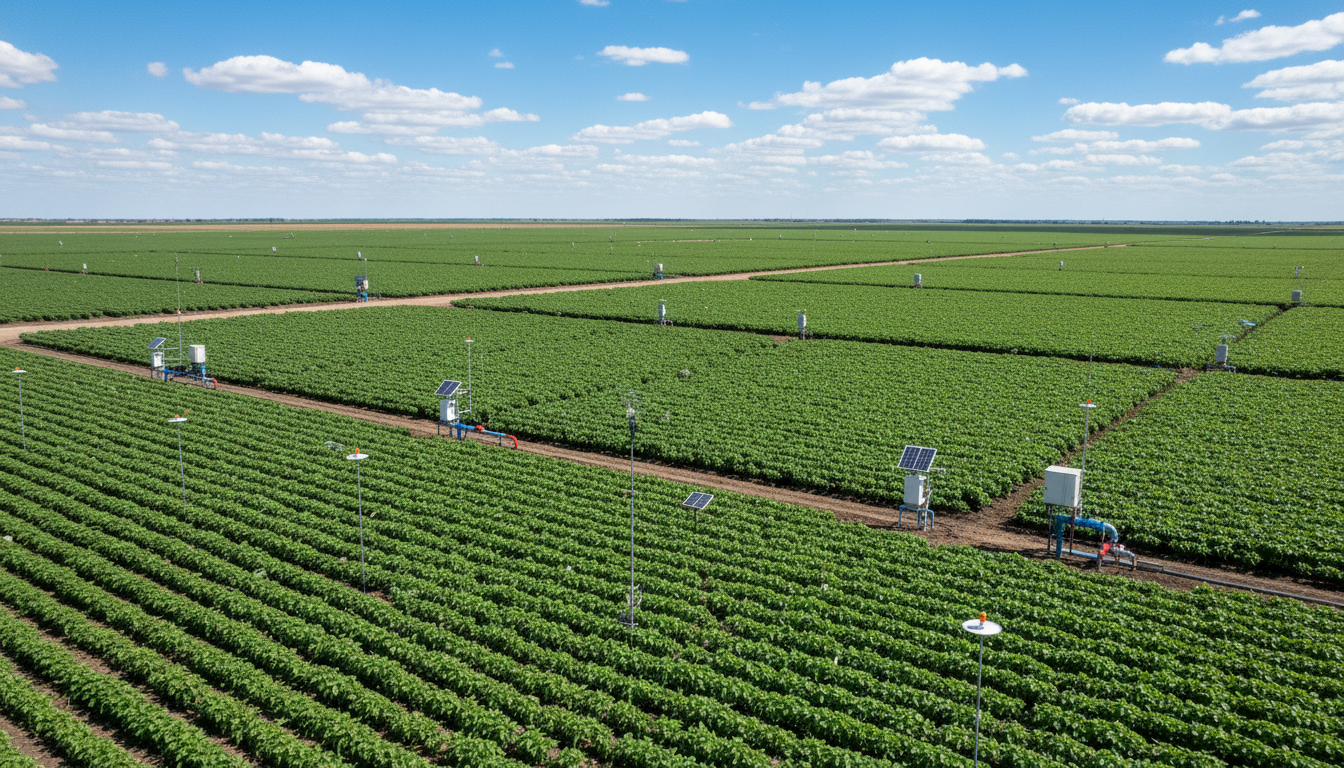
Types of Automated Irrigation Systems
There are various types of automated irrigation systems available, each suited for different farming needs. Some of the most common types include:
- Drip Irrigation: Ideal for row crops and orchards, this system delivers water directly to the root zone, minimizing evaporation and runoff.
- Sprinkler Systems: Suitable for a wide range of crops, they simulate rainfall, ensuring even water distribution.
- Center Pivot Systems: Best for large fields, these systems rotate around a pivot, efficiently covering large areas with minimal labor.
Assessing Your Farm's Needs
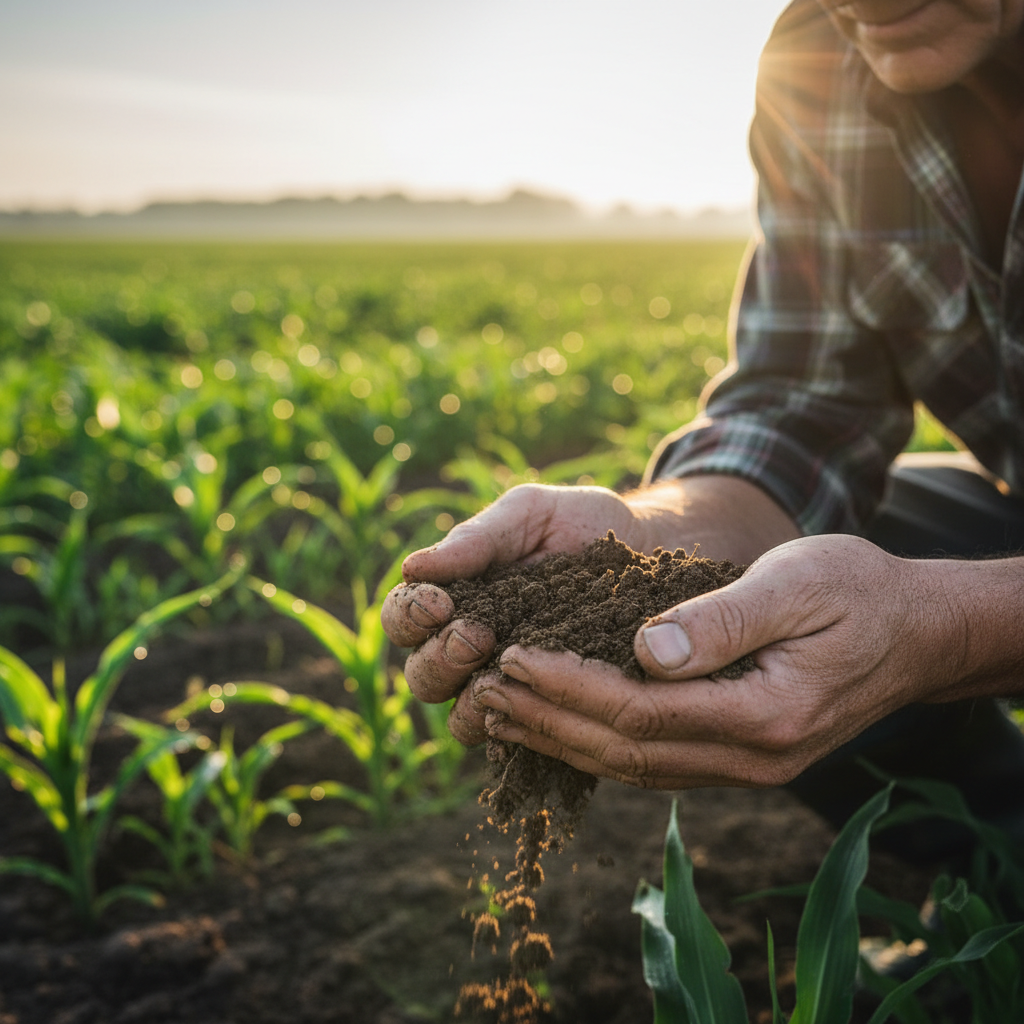
Before selecting an irrigation system, evaluate your farm's specific needs. Consider factors like soil type, crop variety, and field size. For instance, sandy soils may require more frequent watering, while clay soils retain moisture longer. Tailoring your system to these conditions will enhance its effectiveness.
Technological Features to Consider
Modern automated irrigation systems come equipped with advanced technologies that can significantly enhance productivity. Look for features like:
- Weather Sensors: These adjust watering schedules based on real-time weather data, reducing water waste.
- Moisture Sensors: They monitor soil moisture levels, ensuring that water is only applied when necessary.
- Remote Access: Control your system from anywhere using a smartphone or computer, allowing for timely adjustments.
Cost and Budgeting
While the initial investment in an automated irrigation system can be substantial, the long-term savings on water and labor can be significant. Create a budget that accounts for installation, maintenance, and potential upgrades. Consider governmental subsidies or grants that may be available for sustainable farming technologies.
Installation and Maintenance
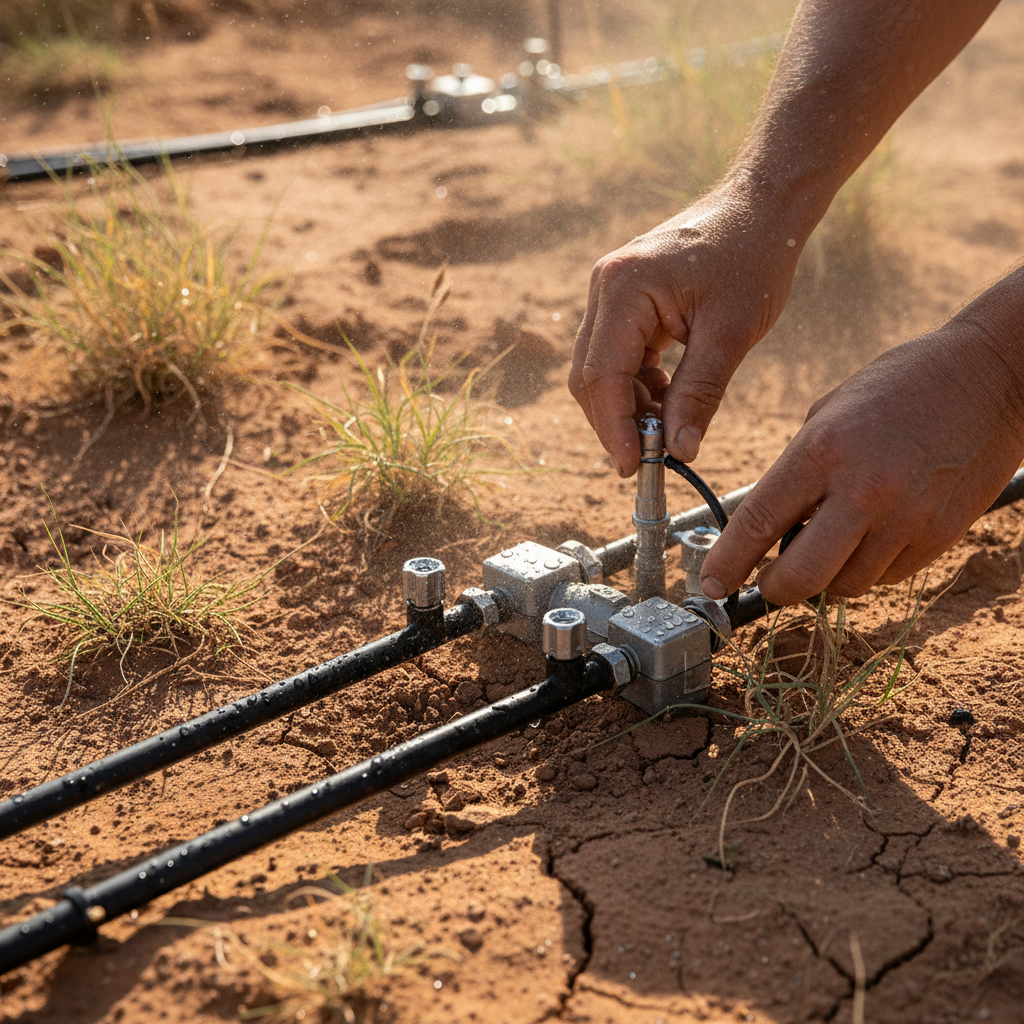
Proper installation is crucial for the effectiveness of your irrigation system. It is advisable to work with professionals who can ensure that the system is set up correctly and efficiently. Regular maintenance, including checking for leaks and ensuring sensors are functioning properly, will prolong the life of your system and maintain its efficiency.
Environmental Impact
Automated irrigation systems can significantly reduce water waste, contributing to environmental conservation. By choosing a system that aligns with sustainable practices, you not only improve your farm's productivity but also contribute to ecological preservation. Consider systems with features that minimize energy use and support eco-friendly practices.
In conclusion, selecting the right automated irrigation system involves a careful analysis of your farm's specific needs and conditions. By investing in the right technology, you can enhance crop yield, conserve water, and promote sustainable farming practices.