Case Study: How AgrobotX Transformed a Local Farm with Robotics


Introduction to AgrobotX and the Local Farm
In recent years, the agricultural industry has witnessed a technological revolution, with robotics leading the charge toward increased efficiency and sustainability. One standout example of this transformation is the collaboration between AgrobotX and a local farm, resulting in remarkable improvements in productivity and resource management.
AgrobotX, a leader in agricultural robotics, partnered with a small family-owned farm to demonstrate the potential of cutting-edge technology in traditional farming practices. This case study explores how the integration of robotics has redefined farming operations and set a new standard for modern agriculture.
Challenges Faced by the Local Farm
Before the introduction of AgrobotX, the local farm was grappling with several challenges. Labor shortages were a constant issue, affecting their ability to plant, maintain, and harvest crops efficiently. Additionally, unpredictable weather patterns made it difficult to optimize irrigation and pest control.
These challenges not only threatened the farm's profitability but also its long-term sustainability. Seeking a solution, the farm owner turned to AgrobotX for assistance in integrating advanced robotics to address these pressing issues.
The AgrobotX Solution
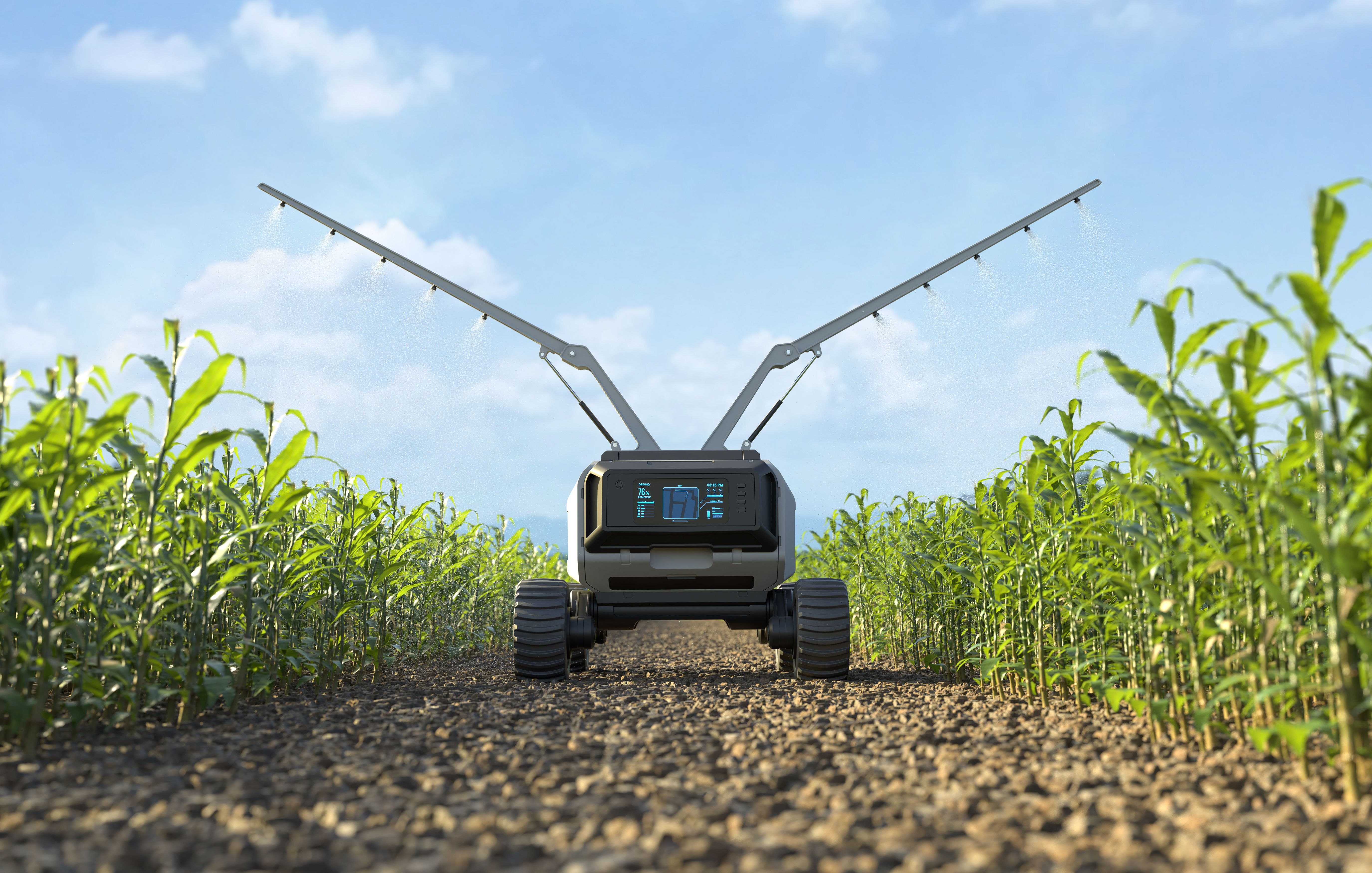
AgrobotX provided a comprehensive suite of robotic solutions tailored to the farm's unique needs. These included:
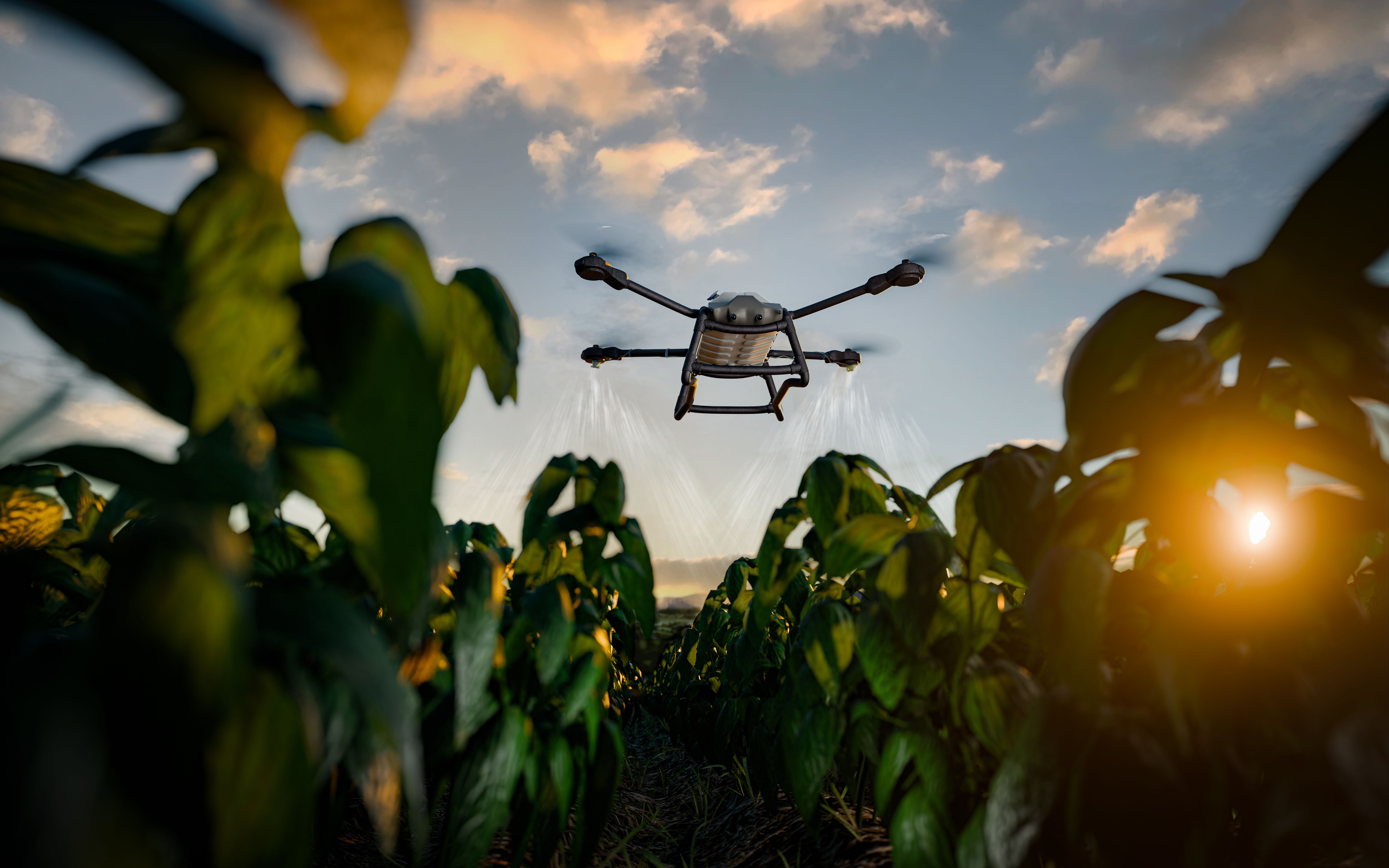
- Autonomous drones for precise crop monitoring and data collection.
- Robotic harvesters to reduce manual labor and increase picking efficiency.
- Smart irrigation systems to optimize water usage based on real-time data.
Impact on Farm Operations
The introduction of AgrobotX's robotics brought about a significant transformation in farm operations. The autonomous drones provided detailed insights into crop health, allowing for prompt intervention when issues were detected. This proactive approach reduced crop loss and improved yield quality.
Robotic harvesters, meanwhile, streamlined the harvesting process, enabling the farm to manage larger volumes of produce with reduced manpower. This efficiency translated into cost savings and increased profitability.
Environmental Benefits
Beyond economic advantages, the use of robotics also contributed to environmental sustainability. The smart irrigation system, for instance, drastically reduced water consumption by targeting specific areas that required hydration, thus conserving this precious resource.
Additionally, by minimizing the use of chemical pesticides through targeted interventions informed by drone data, the farm reduced its environmental footprint, promoting a healthier ecosystem.
Lessons Learned and Future Prospects
This case study underscores the transformative potential of robotics in agriculture. The partnership between AgrobotX and the local farm demonstrates that technology can address longstanding challenges while paving the way for sustainable farming practices.
Looking ahead, the farm plans to continue its collaboration with AgrobotX to explore further innovations, including AI-driven predictive analytics and advanced crop breeding techniques. This ongoing commitment to innovation promises to keep the farm at the forefront of agricultural excellence.
Conclusion
The success story of AgrobotX and the local farm serves as an inspiring example for other agricultural businesses considering the adoption of robotics. As technology continues to evolve, its integration into farming practices will undoubtedly play a pivotal role in shaping the future of agriculture.