Case Study: Success Stories with Robotic Farming in Denver County


Introduction to Robotic Farming in Denver County
In recent years, Denver County has emerged as a beacon of innovation in agricultural technology. The integration of robotic farming is transforming traditional practices, offering a glimpse into the future of farming. This case study delves into the success stories that highlight the potential and effectiveness of robotic farming in this region.
Farmers in Denver County are adopting cutting-edge technology to overcome challenges such as labor shortages, climate change, and the need for sustainable practices. This shift is not only improving productivity but also enhancing the quality of life for farmers.
The Role of Automation in Crop Management
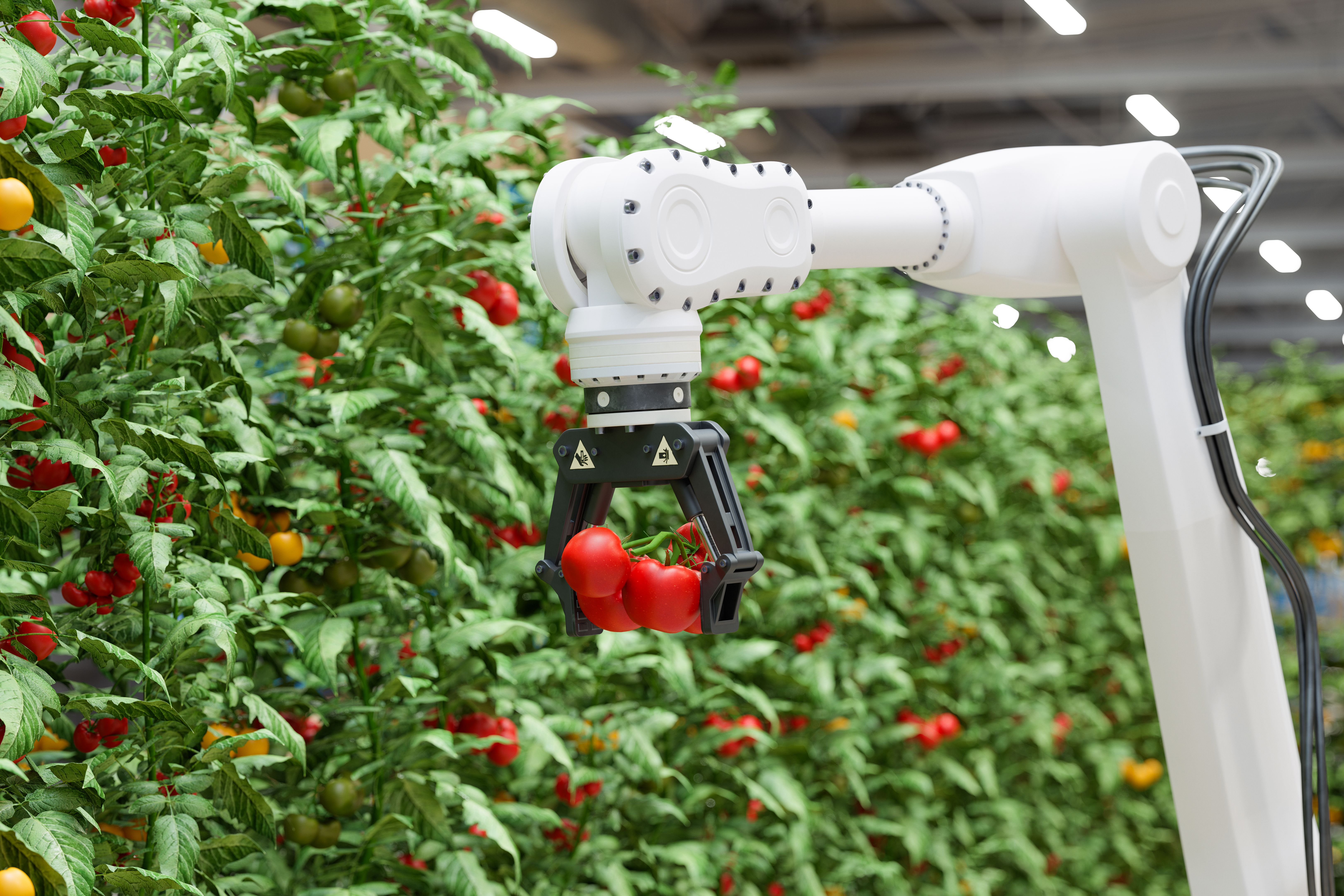
One of the standout features of robotic farming is its role in crop management. Automated systems are being used for planting, watering, and harvesting, significantly reducing manual labor. These systems utilize advanced sensors and data analysis to optimize growing conditions and ensure maximum yield.
For instance, precision agriculture tools are enabling farmers to monitor soil health and adjust irrigation systems accordingly. This not only conserves water but also enhances crop quality, making Denver County a model for sustainable farming practices.

Enhancing Livestock Farming with Robotics
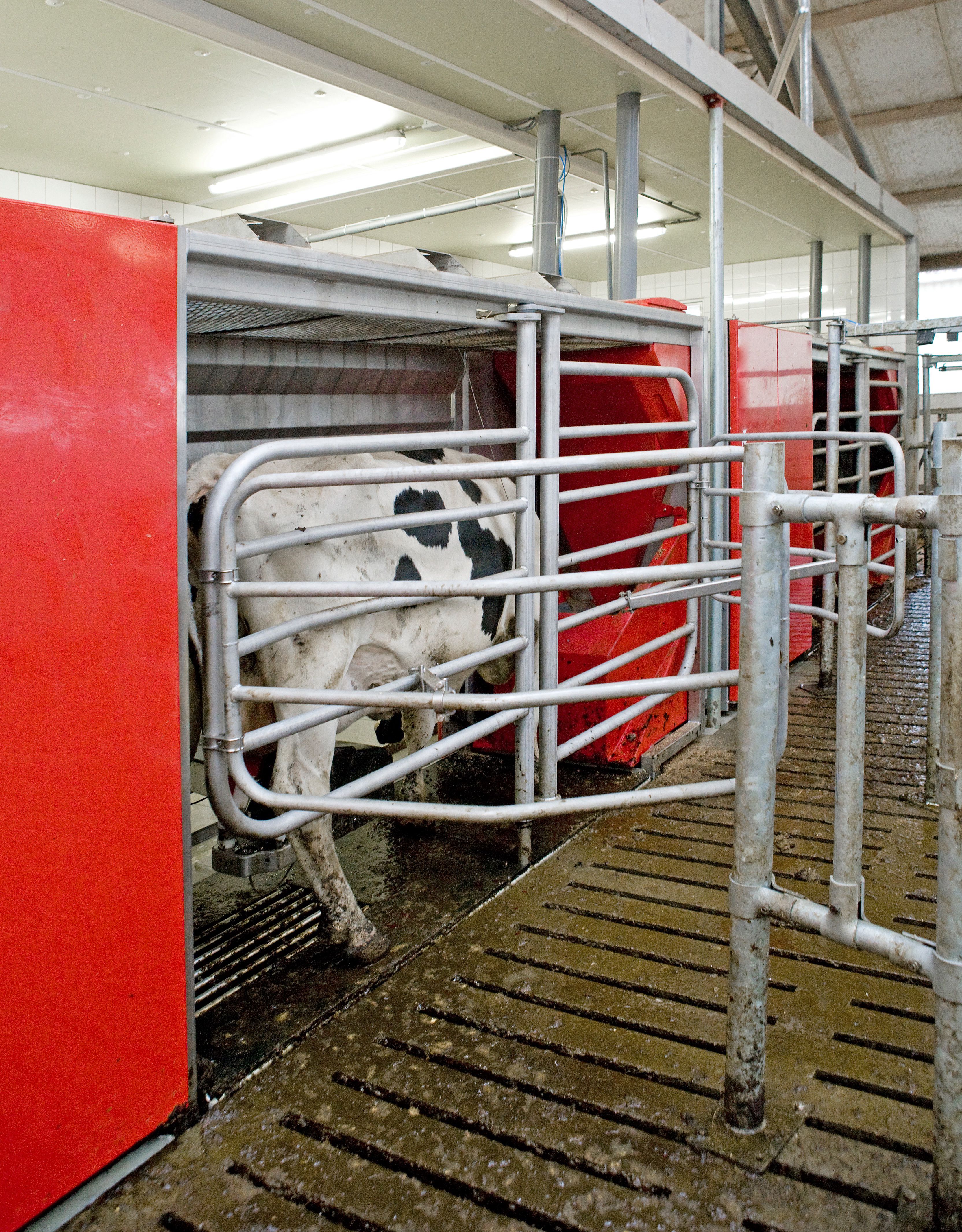
Robotic technology is not limited to crop management; it is also making waves in livestock farming. Automated feeding systems and health monitoring devices are improving animal welfare and productivity. Farmers are able to track the health and well-being of their animals more efficiently, reducing the risk of disease outbreaks.
In particular, dairy farms in Denver County have seen a remarkable increase in milk production and quality. By employing robotic milking systems, farmers are able to maintain consistent milking schedules and improve hygiene standards.
Economic and Environmental Benefits
The adoption of robotic farming in Denver County is not only beneficial for farmers but also for the local economy and environment. By increasing efficiency, farms are able to reduce costs and increase profitability. This, in turn, supports local businesses and contributes to the community's economic growth.
Environmentally, robotic farming is playing a crucial role in minimizing the carbon footprint of agricultural activities. By optimizing resource use and reducing waste, these technologies are paving the way for a more sustainable future.
Challenges and Future Prospects
Despite the numerous advantages, the transition to robotic farming is not without its challenges. High initial costs and the need for technical expertise can be barriers for some farmers. However, with increasing support from government initiatives and private investments, these challenges are gradually being addressed.
The future of robotic farming in Denver County looks promising. As technology continues to advance, the potential for innovation and growth in this sector is immense. Farmers are optimistic about the future, anticipating further improvements in productivity and sustainability.
In conclusion, the success stories from Denver County serve as an inspiration for agricultural communities worldwide. By embracing robotic farming, they are setting a standard for technological integration in agriculture, proving that the future of farming is bright, efficient, and sustainable.