Common Misconceptions About Robotic Systems in Precision Farming


Understanding Robotic Systems in Precision Farming
As technology continues to transform agriculture, robotic systems in precision farming are gaining momentum. However, several misconceptions may hinder their adoption. By addressing these misunderstandings, farmers can better harness the power of robotics to enhance their operations.
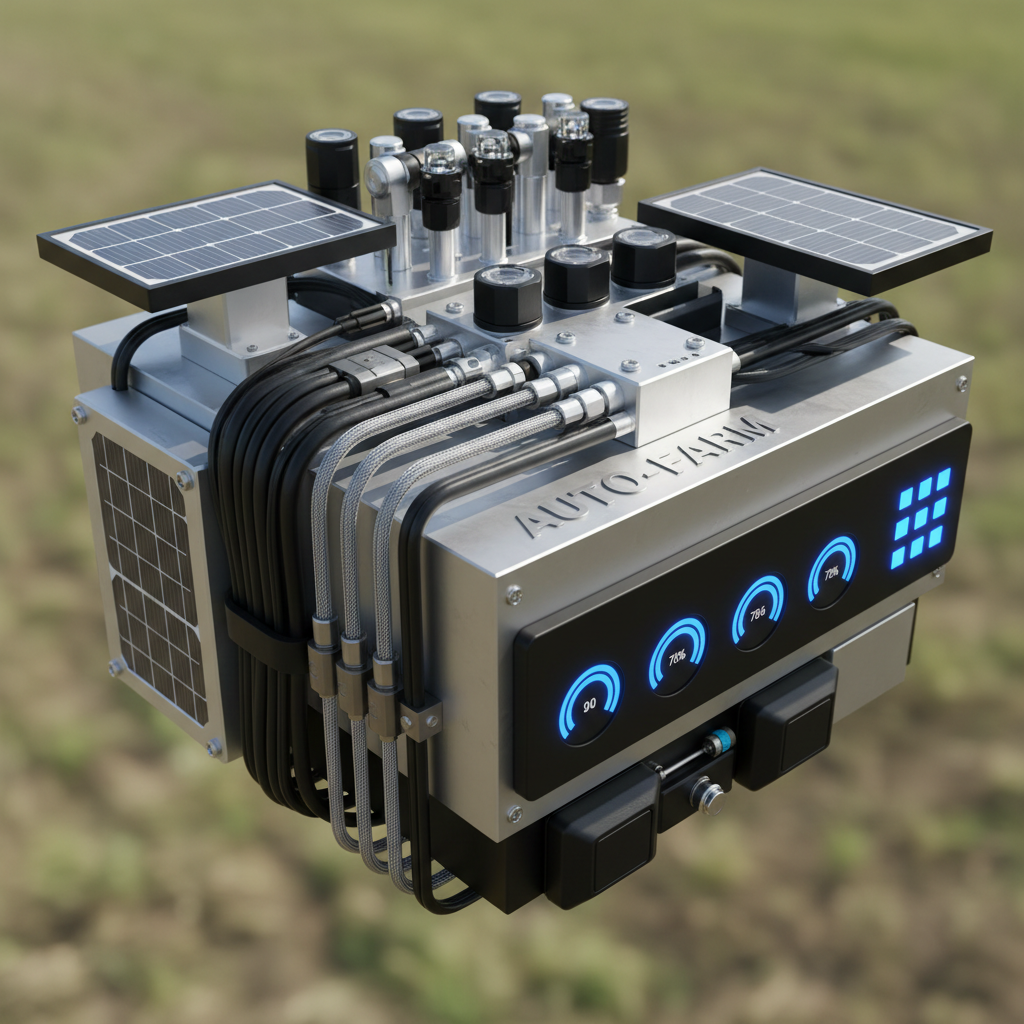
Robots Replace Human Labor
A common belief is that robotic systems completely replace human labor. While it's true that robots can perform tasks autonomously, they are designed to work alongside humans, enhancing productivity rather than eliminating jobs. The goal is to automate repetitive and time-consuming tasks, allowing farmers to focus on more strategic aspects of their operations.
Robotic systems often require human oversight and management. Skilled operators are needed to program, maintain, and troubleshoot these systems, creating new job opportunities in the agricultural sector.
High Costs Make Robots Unaffordable
Many believe that robotic systems are prohibitively expensive, making them inaccessible to small and medium-sized farms. However, the cost of technology is steadily decreasing, and there are various financing options and government incentives available to assist farmers in adopting these innovations.

Moreover, the long-term benefits, such as increased efficiency and reduced labor costs, often justify the initial investment. As technology advances, the affordability and accessibility of robotic systems continue to improve.
Robotic Systems Are Too Complex
Another misconception is that robotic systems are too complex for everyday farm operations. While these technologies can be sophisticated, they are designed with user-friendliness in mind. Companies are developing intuitive interfaces and offering training programs to ensure that farmers can easily integrate these systems into their workflows.
Additionally, many robotic systems are customizable, allowing farmers to select features that suit their specific needs, making the technology adaptable and approachable.

Robots Are Only for Large-Scale Farms
It's often assumed that only large-scale farms can benefit from robotic systems. In reality, these technologies are scalable and can be tailored to fit farms of all sizes. Innovations such as small, mobile robots and drones are specifically designed to assist smaller operations by optimizing resource use and improving crop management.
As the agricultural landscape evolves, robotic systems are becoming an integral part of both large and small farming enterprises, contributing to more sustainable and efficient practices.
Conclusion: Embracing the Future of Farming
Robotic systems in precision farming are reshaping the agricultural industry, offering numerous advantages. By dispelling common misconceptions, more farmers can embrace these technologies, leading to improved productivity and sustainability. As technology continues to advance, the future of farming looks promising with robots playing a crucial role in its development.