Comparing Robotic Systems for Precision Farming: Which is Right for You?


Precision farming has revolutionized agriculture by incorporating advanced technologies to optimize crop yield, reduce waste, and enhance sustainability. Among these innovations, robotic systems have emerged as a crucial component. With various options available, choosing the right robotic system for your farm can be challenging. This guide explores different robotic systems to help you make an informed decision.
Understanding Robotic Systems in Agriculture
Robotic systems in agriculture are designed to automate various tasks, such as planting, monitoring, and harvesting. These systems not only improve efficiency but also allow farmers to manage large fields with minimal manual labor. By reducing human error and increasing precision, robotic systems can significantly boost productivity.
Types of Robotic Systems
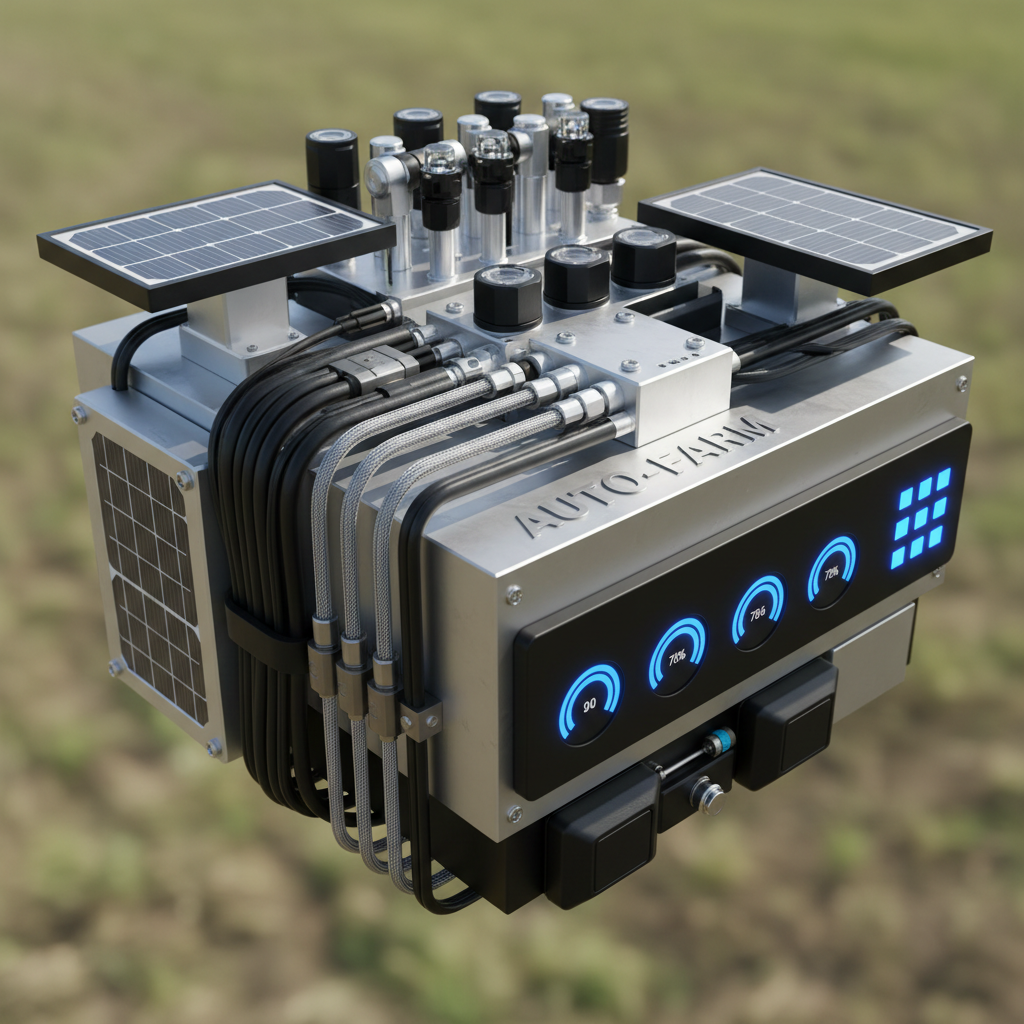
There are several types of robotic systems used in precision farming, each catering to different needs. Some of the most common include:
- Autonomous Tractors: These tractors are equipped with GPS and sensors to navigate fields autonomously, reducing the need for manual operation.
- Drones: Drones are used for aerial monitoring, providing real-time data on crop health, soil conditions, and irrigation needs.
- Robotic Harvesters: These machines automate the harvesting process, ensuring that crops are picked at the optimal time.
Key Considerations When Choosing a Robotic System
When selecting a robotic system, several factors need to be considered to ensure it aligns with your farm's specific requirements. Here are some key considerations:
Farm Size and Crop Type
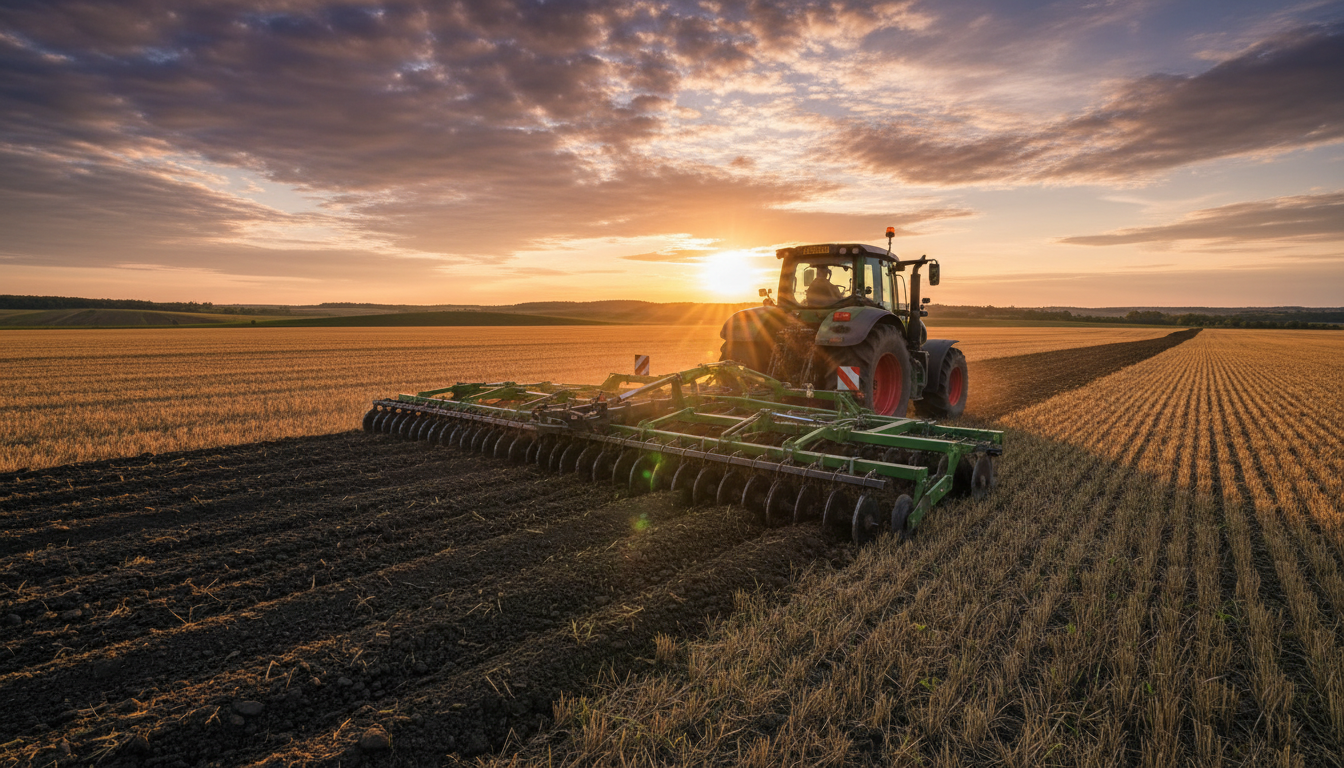
The size of your farm and the type of crops you grow play a significant role in determining the suitable robotic system. For larger farms, autonomous tractors and drones may be more effective, while smaller farms might benefit from robotic harvesters for specific crops like fruits and vegetables.
Budget and Cost-Effectiveness
Robotic systems can be a significant investment, so it's essential to evaluate the cost versus the potential benefits. Consider the long-term savings in labor costs and increased yield when determining the budget for your robotic system.
Integration with Existing Systems
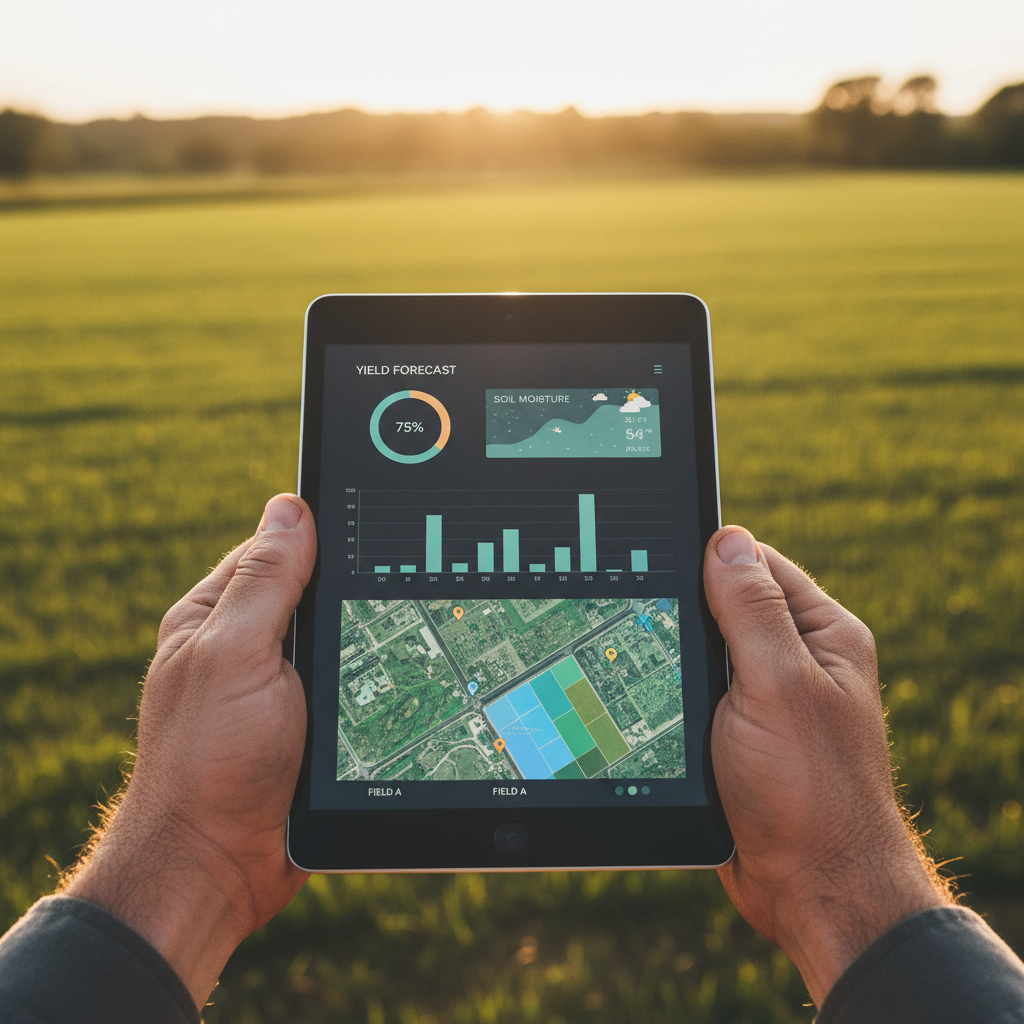
Another crucial factor is how the robotic system will integrate with your current farming practices. Ensure that the technology is compatible with your existing equipment and processes to maximize efficiency and minimize disruptions.
Technological Support and Training
Robotic systems often require specialized knowledge for operation and maintenance. Look for systems that offer comprehensive support and training to ensure a smooth transition and ongoing success.
By carefully considering these factors, you can select the right robotic system that meets your precision farming needs, ultimately leading to enhanced productivity and sustainability on your farm.