Debunking Myths: The Truth About Drone Crop Monitoring Systems


Understanding Drone Crop Monitoring Systems
Drone crop monitoring systems have rapidly become a staple in modern agriculture, offering farmers new ways to manage and optimize their fields. However, despite their growing popularity, several myths persist about these systems. In this post, we'll explore and debunk some common misconceptions, shedding light on the true capabilities and benefits of drone technology in agriculture.
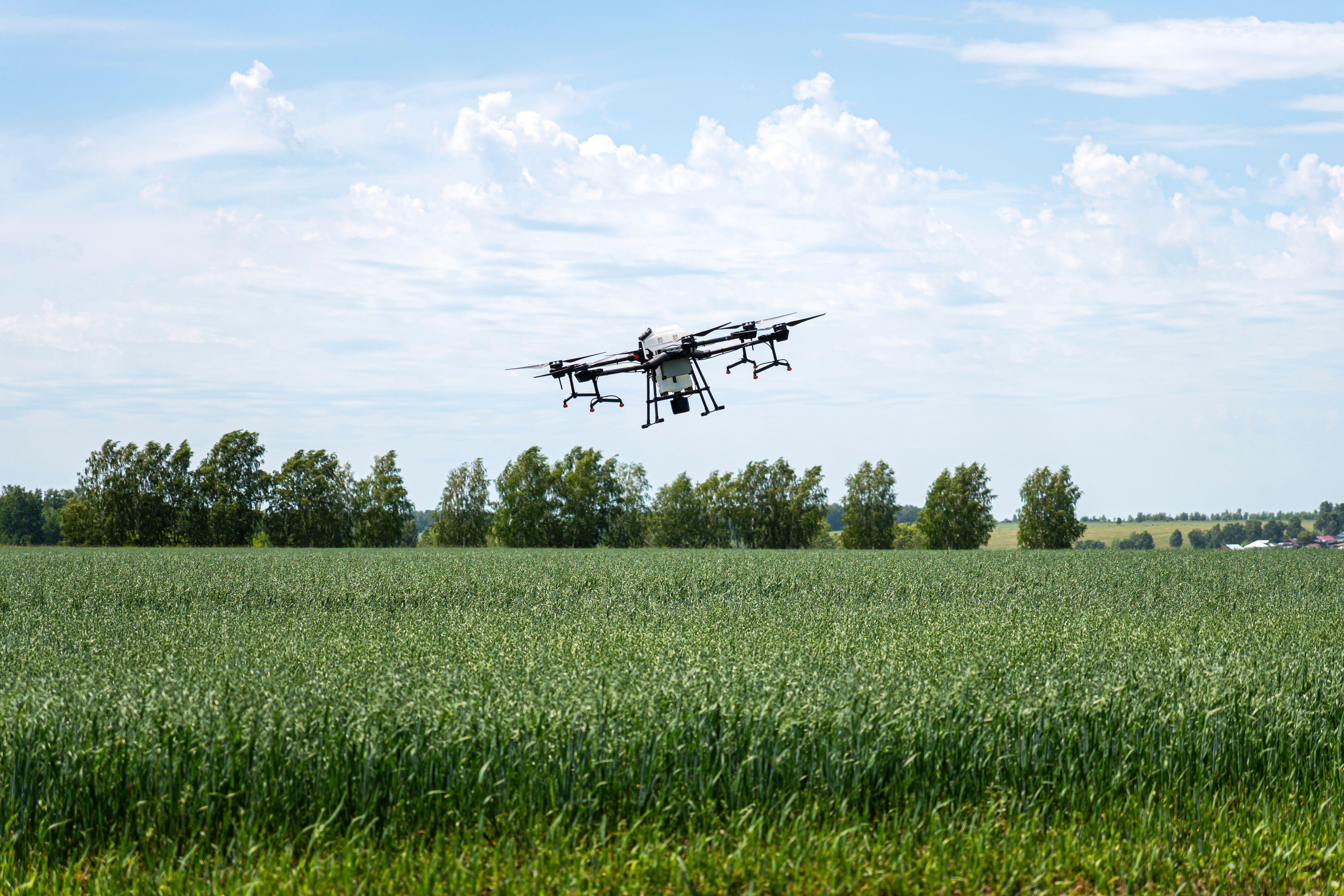
Myth 1: Drones Are Too Expensive for Small Farms
One of the most prevalent myths is that drone technology is only accessible to large agricultural enterprises. While it's true that drones require an initial investment, the costs have decreased significantly over the past few years. Moreover, the return on investment can be substantial. By providing precise data on crop health, irrigation needs, and pest infestations, drones can lead to significant savings and increased yields, making them a viable option even for small farms.
Additionally, many companies offer leasing options or pay-per-use services, allowing farmers to access cutting-edge technology without a hefty upfront cost.
Myth 2: Drones Are Difficult to Operate
Another common misconception is that drones require specialized skills to operate effectively. While early models may have been more complex, modern drone systems come with user-friendly interfaces and automated features that make them accessible to everyone. Many drones are equipped with GPS technology and automated flight paths, allowing them to survey large areas with minimal human intervention.
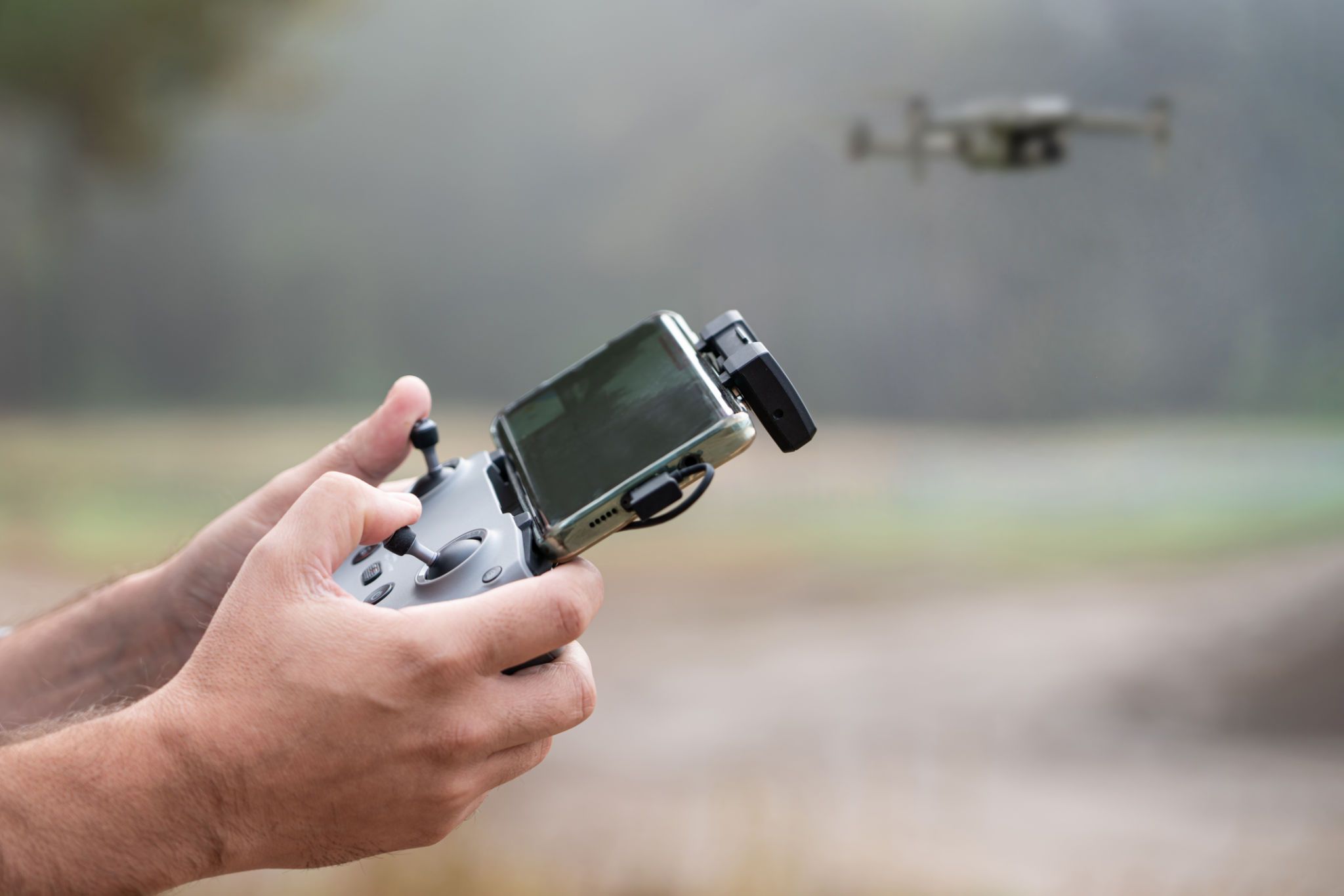
Furthermore, training programs and online resources are widely available, ensuring that farmers can quickly learn how to operate drones and interpret the data they collect.
Myth 3: Drone Data Is Not Reliable
Some skeptics argue that drone-collected data is not as reliable as traditional methods. However, the truth is that drones can provide highly accurate and detailed information. Equipped with advanced sensors and cameras, drones can capture high-resolution images and data that reveal subtle changes in crop health, soil conditions, and more.
- Multispectral imaging for plant health analysis
- Thermal imaging for water stress detection
- 3D mapping for terrain analysis
These capabilities allow farmers to make informed decisions, enhancing the overall efficiency of their operations.
Myth 4: Drones Are Only for Crop Monitoring
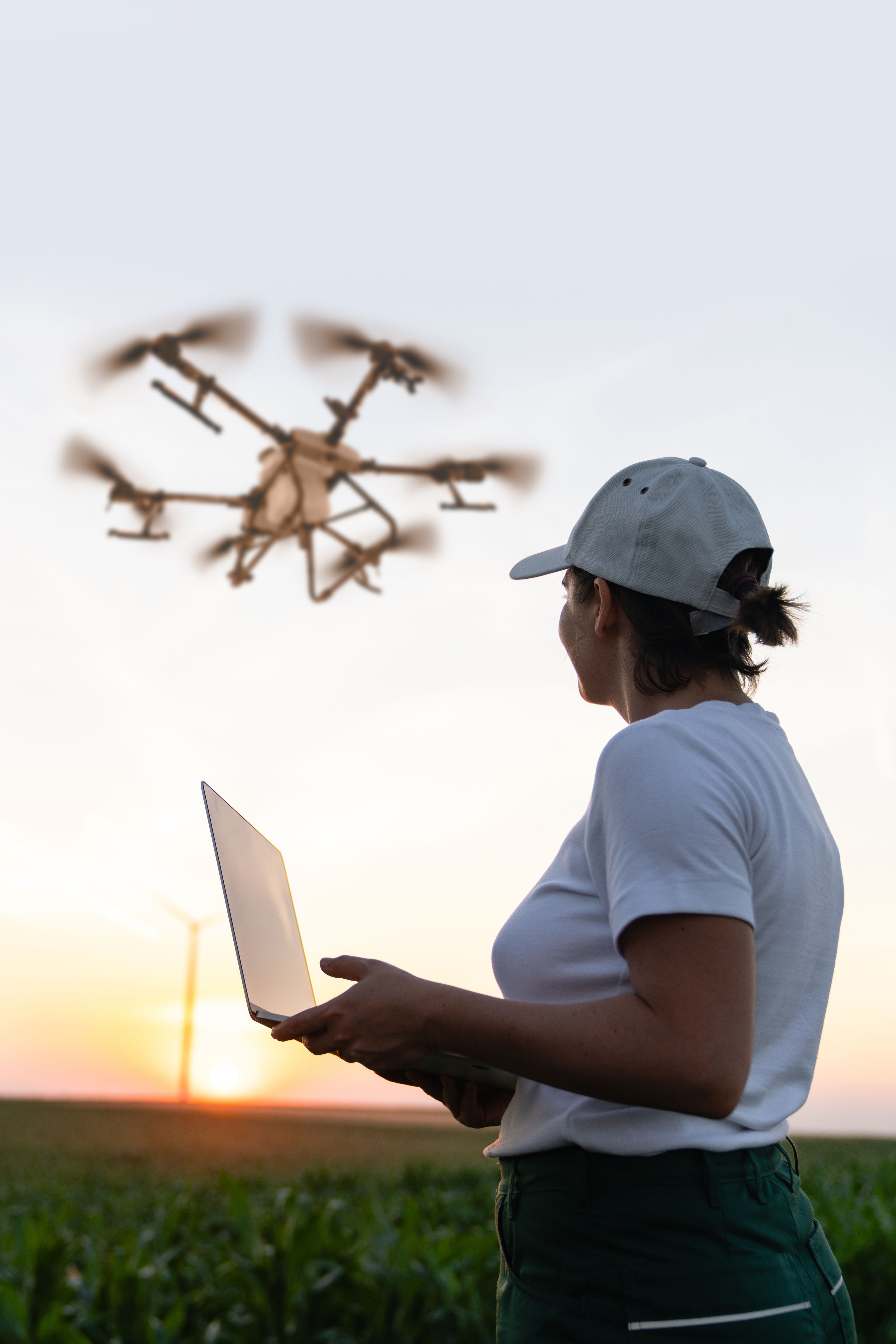
While crop monitoring is one of the primary uses, drones offer a wide range of applications in agriculture. They can be used for planting, spraying, and even livestock monitoring. By integrating drones into various aspects of farm management, farmers can streamline operations and improve productivity.
For instance, drones equipped with spraying mechanisms can apply pesticides and fertilizers more evenly and efficiently, reducing waste and environmental impact.
The Future of Drone Technology in Agriculture
As technology advances, the potential applications for drones in agriculture will continue to grow. With the addition of artificial intelligence and machine learning, future drones will be able to predict crop yields, optimize resource allocation, and even automate entire farming processes.
By embracing drone technology, farmers can not only debunk these myths but also revolutionize their farming practices, ensuring a more sustainable and productive future.