Debunking Myths About Precision Agriculture Technology


Understanding Precision Agriculture Technology
Precision agriculture technology is revolutionizing how we approach farming, yet several myths persist about its application and effectiveness. By debunking these myths, we can better understand the potential and impact of this innovative approach to agriculture.
Precision agriculture utilizes data-driven techniques to enhance crop production and sustainability. By leveraging technology like GPS, sensors, and drones, farmers can optimize their resources more effectively. However, misconceptions can cloud its value and application.

Myth 1: Precision Agriculture Is Only for Large Farms
One common myth is that precision agriculture is only beneficial for large-scale operations. In reality, farms of all sizes can reap the benefits. Small and medium-sized farms can use precision technology to maximize their limited resources and improve yield efficiency. Tools like soil sensors and data analytics are scalable and adaptable to different farm sizes.
By utilizing precision technology, even smaller farms can reduce waste, optimize input use, and increase profitability. The flexibility of this technology means it's accessible to a wide range of agricultural operations.
Myth 2: It's Too Expensive
Another prevalent myth is that precision agriculture technology is prohibitively expensive. While there is an initial investment, the long-term savings and increased productivity often outweigh the costs. Many technologies offer a return on investment through reduced inputs and increased yields.
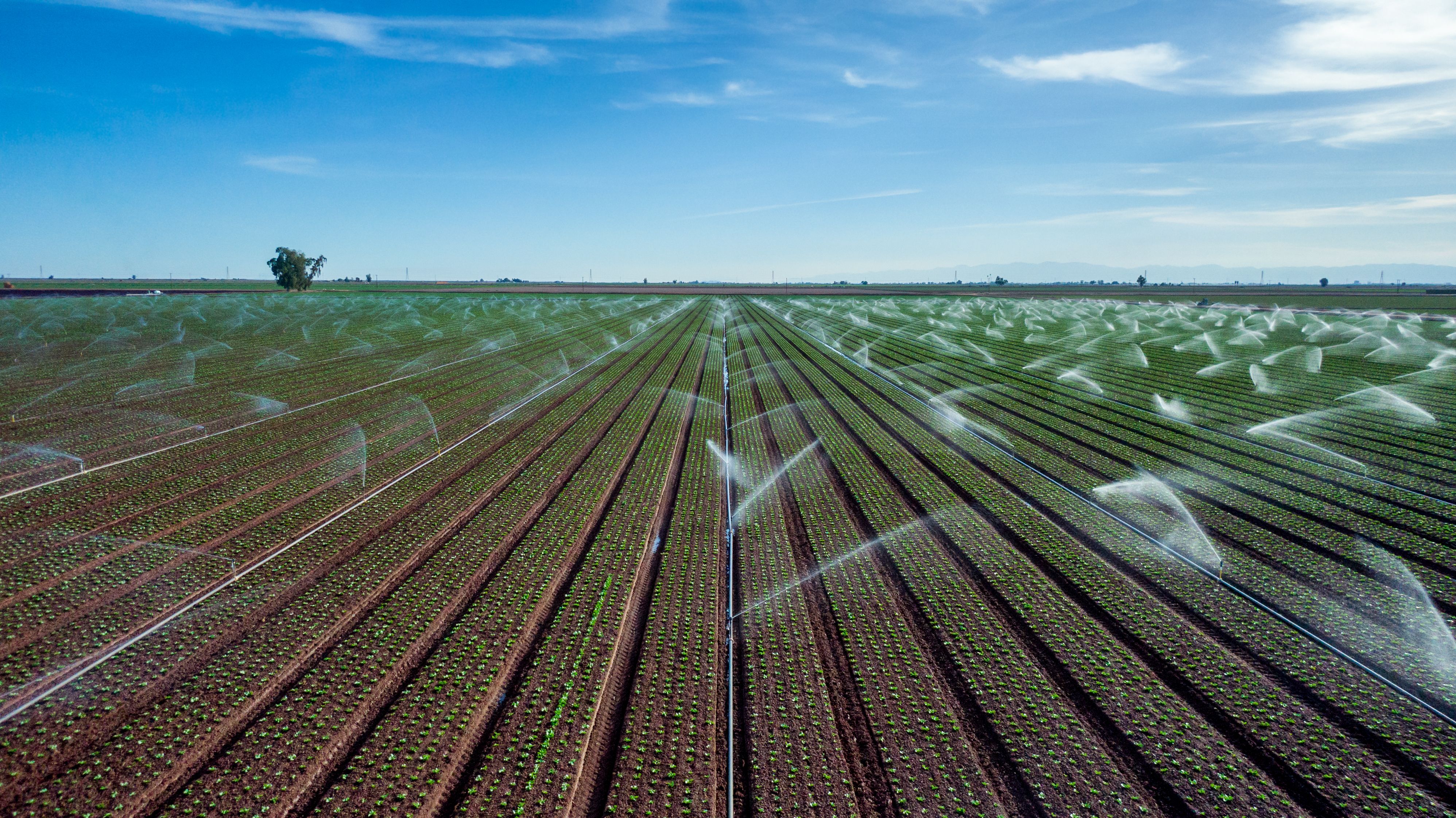
There are also various options and packages available to suit different budget levels. Grants, subsidies, and financing options can make these technologies more accessible to farmers looking to modernize their operations.
Myth 3: It's Too Complex for the Average Farmer
Some believe precision agriculture is too complex for the average farmer to understand and implement. However, many technologies are designed with user-friendliness in mind. Modern interfaces and comprehensive training programs make it accessible even to those with limited tech experience.
Moreover, support services and community networks provide ongoing assistance, ensuring farmers can successfully integrate precision technology into their practices.

Myth 4: Precision Agriculture Technology Replaces Farmers
Contrary to the belief that precision technology might replace farmers, it actually serves as a powerful tool to enhance their capabilities. Technology complements human expertise, allowing farmers to make more informed decisions.
The goal is not to replace farmers but to empower them with better insights and tools to manage their farms more efficiently. By embracing technology, farmers can achieve greater control over their operations and improve outcomes.
The Future of Precision Agriculture
As we debunk these myths, it becomes clear that precision agriculture technology is a valuable asset for the future of farming. By providing accurate data and insights, it helps farmers make smarter decisions, conserve resources, and increase productivity.
Understanding and overcoming these misconceptions allows more farmers to adopt these innovations, leading to more sustainable and productive agricultural practices worldwide. The future of farming is bright with the integration of precision technology.