Debunking Myths About Precision Agriculture Technology


Understanding Precision Agriculture Technology
Precision agriculture technology has revolutionized the way farmers manage their crops and resources. However, several myths persist that can deter individuals from fully embracing this innovative approach. By debunking these myths, we can better understand the true value and potential of precision agriculture.

Myth 1: Precision Agriculture is Too Expensive
One common misconception is that precision agriculture technology is prohibitively expensive for the average farmer. While initial costs can be significant, the long-term benefits often outweigh these expenses. Technologies like GPS-guided equipment and soil sensors can lead to increased efficiency, reduced waste, and ultimately higher profits.
Moreover, many governments and organizations offer grants and subsidies to help farmers adopt these technologies. It’s essential to view precision agriculture as a long-term investment rather than a short-term expense.
Myth 2: Only Large Farms Benefit from Precision Agriculture
Another myth suggests that only large, industrial farms can benefit from precision agriculture. In reality, these technologies are scalable and can be tailored to suit farms of all sizes. Small and medium-sized farms can utilize drones, satellite imagery, and mobile apps to optimize their operations effectively.
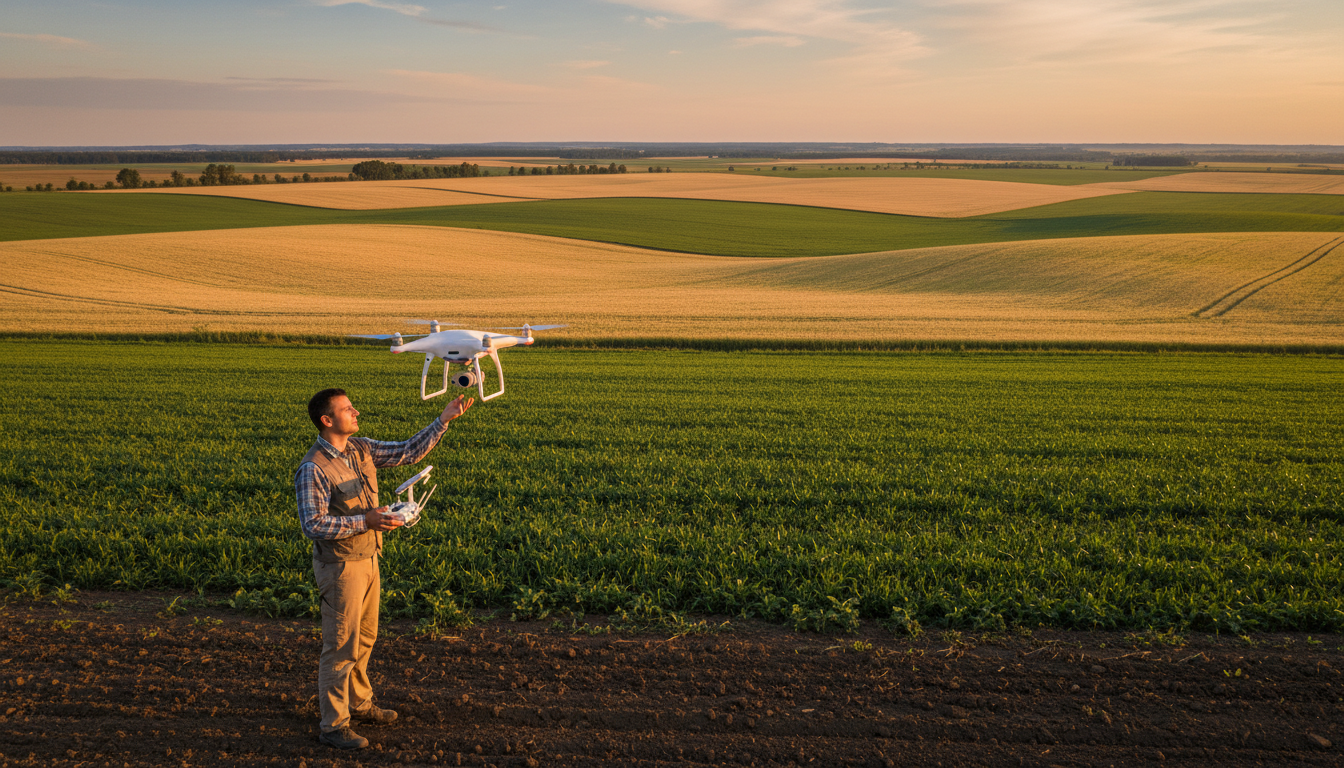
By implementing precision agriculture, smaller farms can improve yield, reduce input costs, and enhance sustainability, making their operations more competitive and resilient.
Myth 3: Precision Agriculture is Too Complex
Many believe that precision agriculture is overly complex and requires advanced technical skills. While the technology can seem daunting at first, many tools are designed to be user-friendly and accessible. Training sessions and support from technology providers can help farmers quickly get up to speed.
Additionally, data from precision agriculture tools are often presented in an easy-to-understand format, allowing farmers to make informed decisions without needing a background in data science.

Myth 4: Precision Agriculture Doesn’t Improve Sustainability
Some skeptics argue that precision agriculture doesn’t contribute to sustainability. However, the opposite is true. By using technology to apply water, fertilizers, and pesticides more efficiently, precision agriculture reduces waste and minimizes environmental impact.
Furthermore, precision agriculture supports practices like crop rotation and soil health monitoring, promoting a more sustainable and eco-friendly approach to farming.
Embracing the Future of Farming
In conclusion, precision agriculture technology holds immense potential for transforming the agricultural landscape. By debunking these myths, we can encourage more farmers to adopt these tools and techniques, leading to improved productivity, profitability, and sustainability. As technology continues to evolve, so too will the opportunities for innovation and growth in the farming sector.