DIY Guide: Implementing Automated Farming Equipment on Your Colorado Farm


Understanding Automated Farming Equipment
As the agricultural industry continues to evolve, automated farming equipment is becoming increasingly vital for efficiency and productivity. Farmers in Colorado are embracing these technological advancements to optimize their operations. Automated equipment can handle a variety of tasks, from planting and watering to harvesting and monitoring crop health, reducing the need for manual labor and increasing precision.
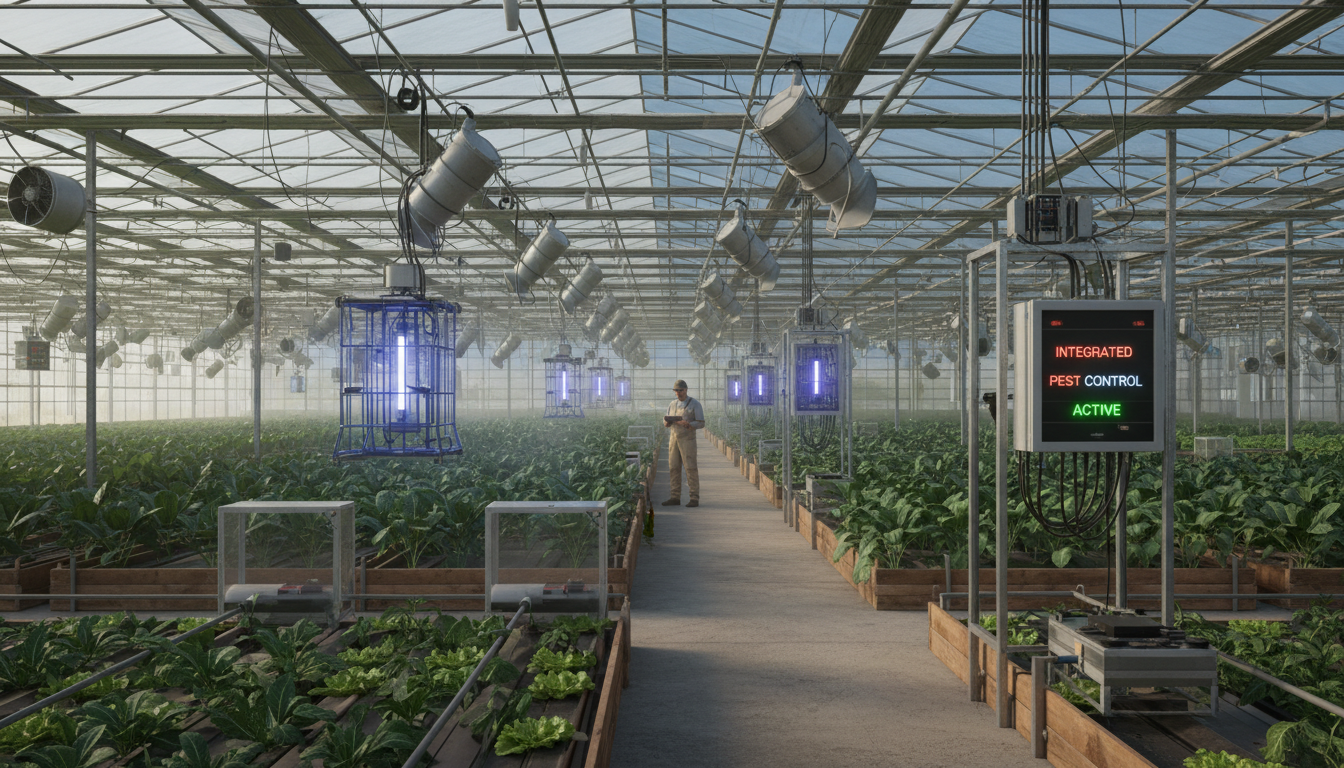
Implementing such equipment may seem daunting, but with the right guidance and resources, you can easily integrate automation into your farm. In this guide, we'll walk you through the steps to successfully adopt automated farming practices on your Colorado farm.
Assessing Your Farm's Needs
Before investing in automated equipment, assess your farm's specific needs. Consider factors such as the size of your farm, the types of crops you grow, and the tasks that require the most time and effort. This assessment will help you determine which equipment will provide the most significant benefits.
Make a list of the areas where automation could enhance efficiency. For example, areas like irrigation, pest control, and harvesting are often ideal for automation. By identifying these key areas, you can make informed decisions about the equipment that will best serve your farm's needs.
Choosing the Right Equipment
Once you've assessed your needs, it's time to research and choose the right equipment. There are various options available, ranging from simple automated irrigation systems to advanced drones for crop monitoring. Consider the following:
- Budget: Determine how much you are willing to invest in automation.
- Scalability: Choose equipment that can grow with your farm.
- Compatibility: Ensure the equipment is compatible with your current systems.
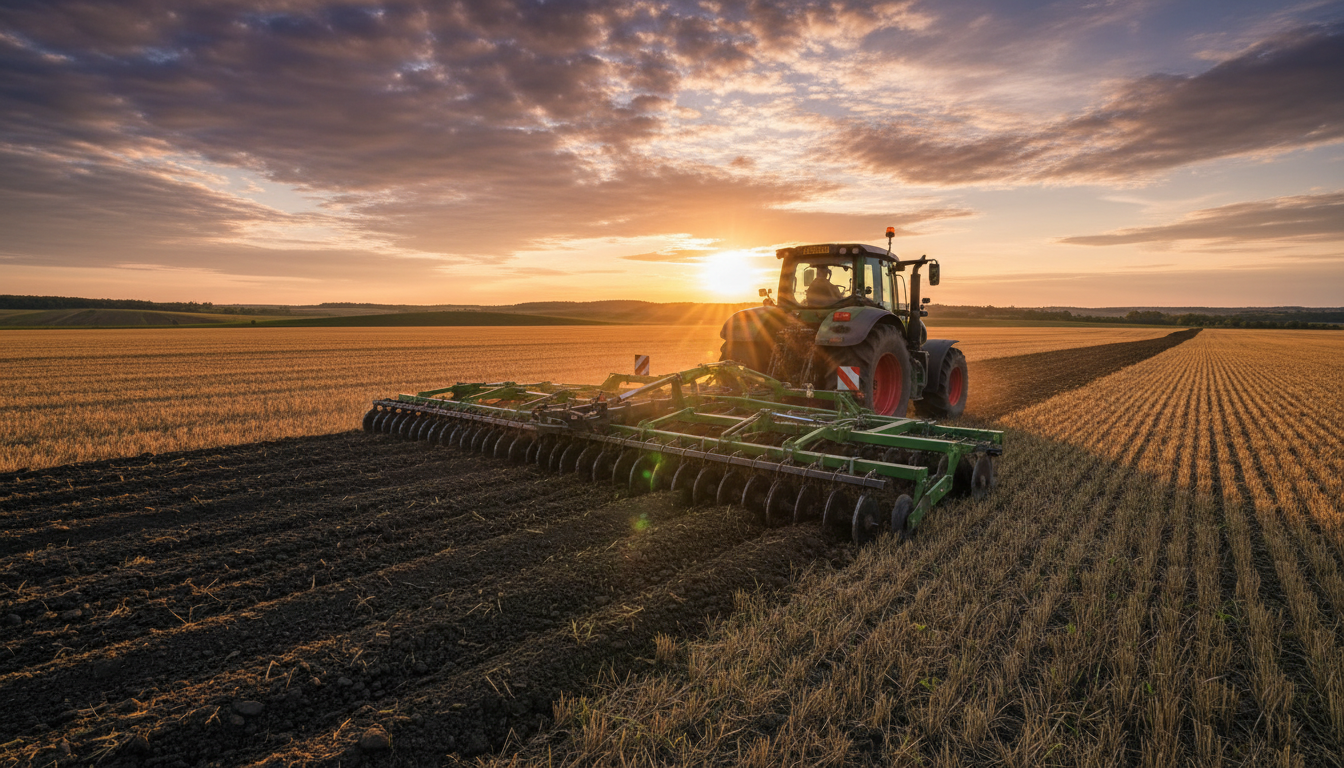
Consult with experts or other farmers who have already implemented automation to gain insights and recommendations. Their firsthand experience can be invaluable in making the right choice.
Installation and Integration
After selecting the equipment, the next step is installation and integration with your existing farm operations. Many companies offer professional installation services to ensure the equipment is set up correctly. However, if you choose to install it yourself, follow the manufacturer's instructions carefully.
Integration may require some adjustments to your current processes. Be prepared to train your team on using the new equipment effectively. This training is crucial to maximize the benefits of automation and ensure a smooth transition.
Monitoring and Maintenance
Once your automated equipment is up and running, regular monitoring and maintenance are essential. Automated systems are designed to be efficient, but they still require oversight to ensure they function correctly. Establish a maintenance schedule to check for any issues and perform necessary repairs.
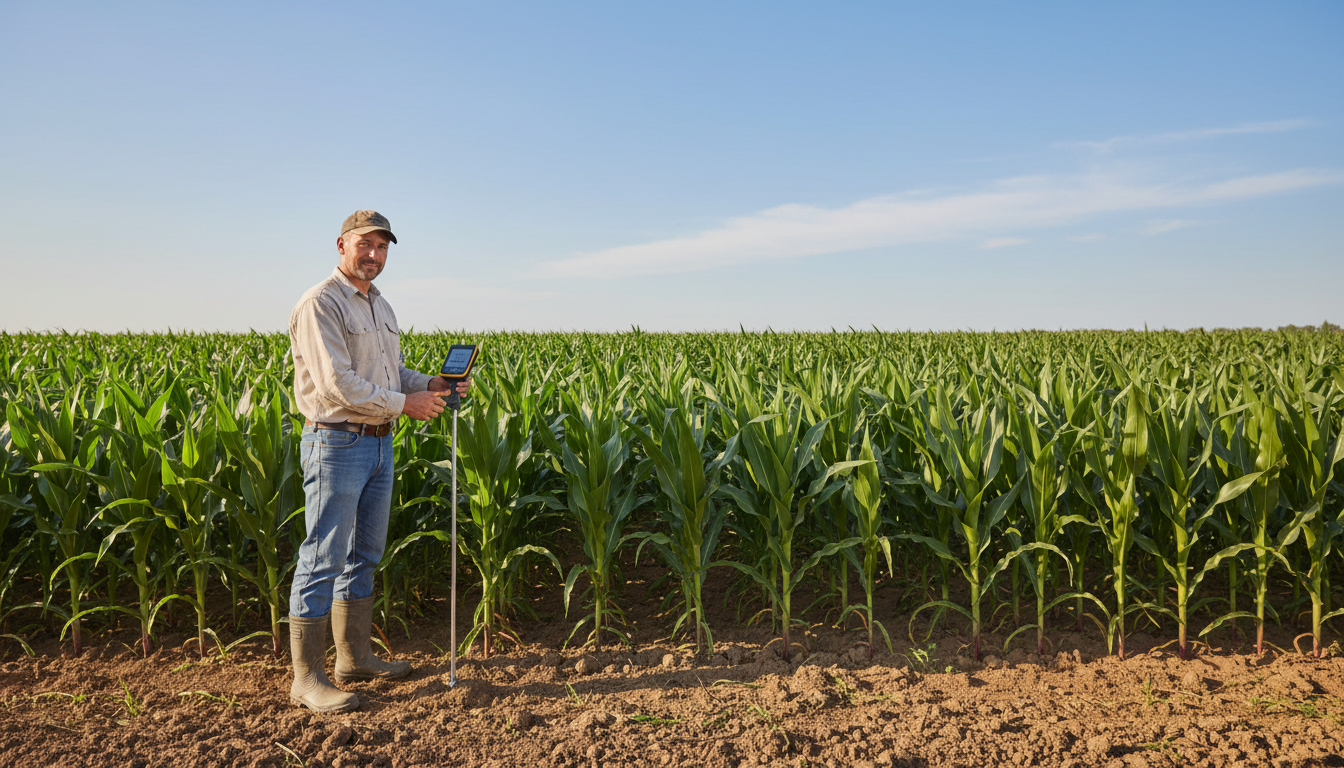
Many automated systems come with software that provides real-time data and alerts. Utilize these tools to stay informed about your farm's operations and address any potential problems promptly.
Embracing the Future of Farming
Automated farming equipment represents the future of agriculture, offering numerous benefits such as increased efficiency, reduced labor costs, and improved crop yields. By carefully implementing these technologies on your Colorado farm, you can stay competitive and ensure long-term success.
Embrace the changes and explore continuous learning opportunities to keep up with technological advancements. As you adapt to these innovations, you'll pave the way for a more sustainable and productive farming future.