Drone Crop Monitoring: A Step-by-Step Guide for Beginners


Introduction to Drone Crop Monitoring
As technology continues to advance, agriculture is embracing new tools for efficiency and productivity. One such innovation is drone crop monitoring, a method that allows farmers to gather critical data about their crops from above. This guide will walk you through the basics of using drones for crop monitoring, making it easier for beginners to understand and implement this technology.
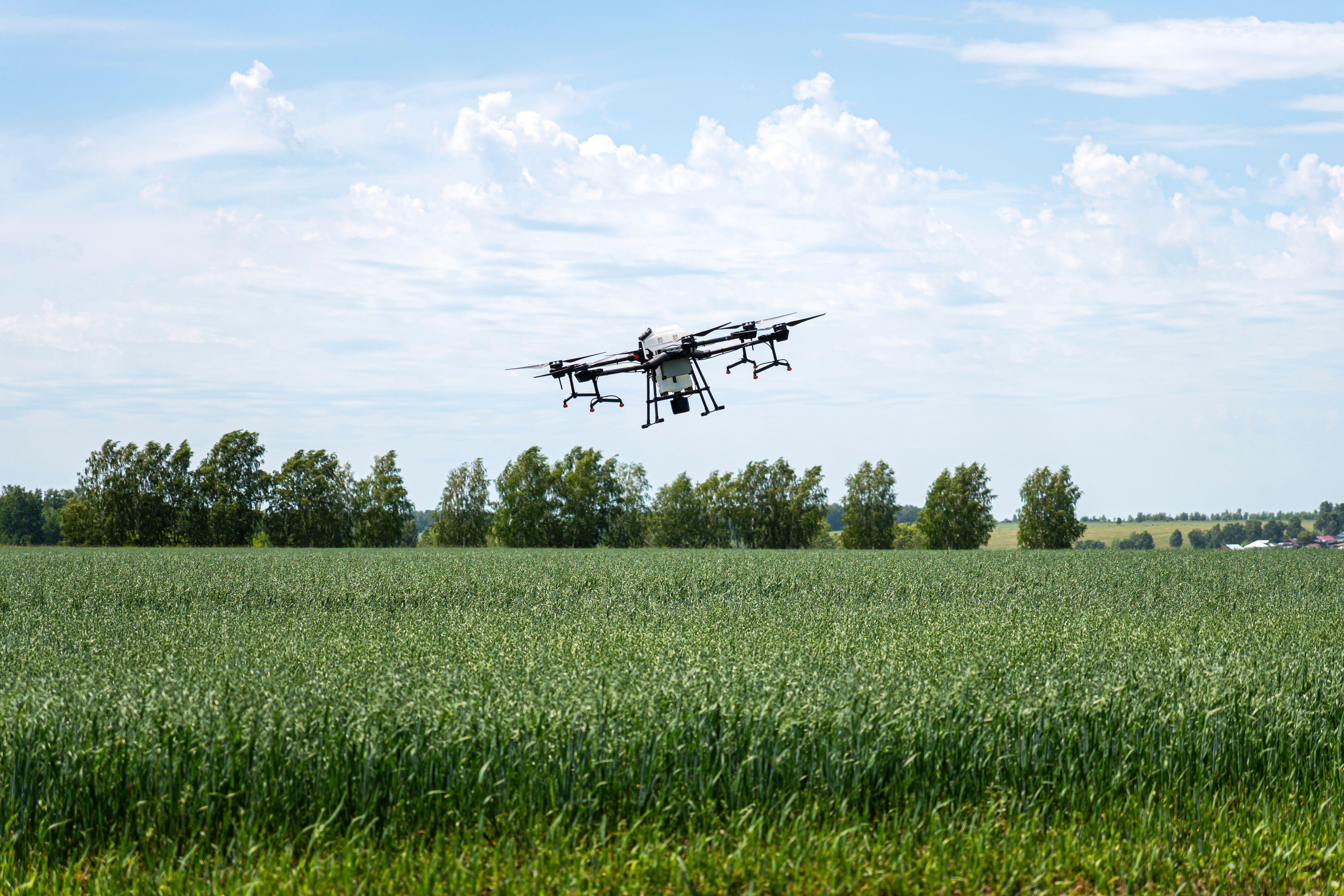
Why Use Drones in Agriculture?
Drones offer a bird's-eye view of fields, providing insights that are difficult to obtain from the ground. They help in identifying crop health issues, monitoring growth, and optimizing irrigation. By using drones, farmers can save time, reduce costs, and increase yields, ultimately improving their bottom line.
One of the main benefits of drone technology is its ability to capture high-resolution images and data quickly. This allows for real-time analysis and decision-making, which is crucial during critical growth stages. Additionally, drones can cover large areas more efficiently than traditional methods.
Getting Started with Drone Crop Monitoring
Before you begin, it's essential to understand the regulations and requirements for flying drones in your area. Make sure to obtain any necessary licenses and follow local guidelines to ensure safe and legal operation.
- Choose the Right Drone: Select a drone that suits your needs, considering factors like flight time, camera quality, and range.
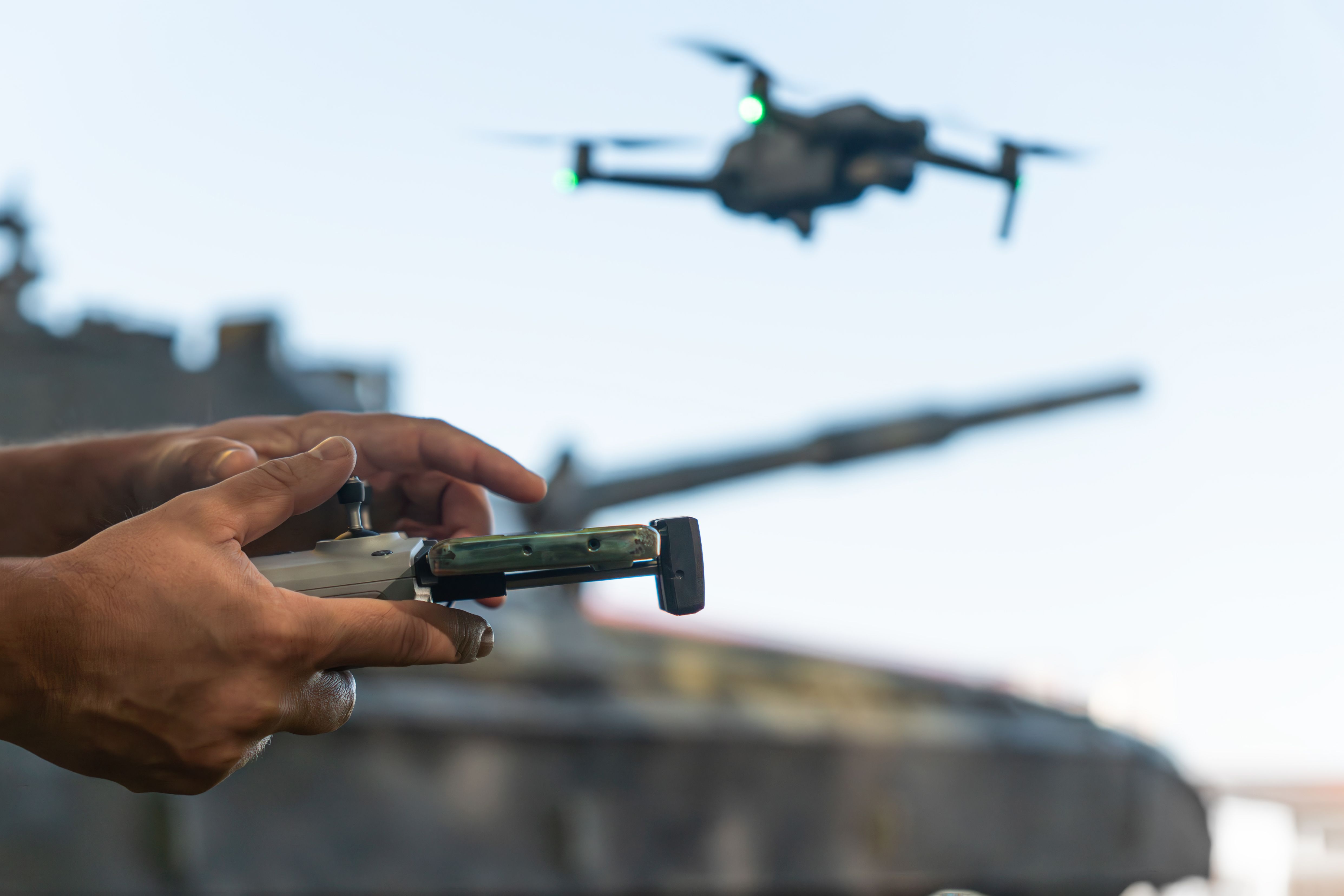
- Understand the Technology: Familiarize yourself with the drone's controls and software to make the most of its capabilities.
- Plan Your Flights: Schedule your drone flights during optimal weather conditions and at the right times in the crop cycle for the best data collection.
Data Collection and Analysis
Once you've captured images and data, the next step is analysis. High-quality cameras on drones can detect issues such as pest infestations, nutrient deficiencies, and water stress. Using specialized software, you can process the images to create detailed maps and reports of your fields.
These insights allow you to make informed decisions about interventions, such as applying fertilizers or adjusting irrigation. Over time, analyzing this data can help improve your understanding of crop performance and guide future planting strategies.
Challenges and Considerations
While drone crop monitoring offers significant advantages, there are challenges to consider. Weather conditions can impact drone flights, and technical issues may arise with the equipment or software. It's essential to have a contingency plan and be prepared for potential setbacks.
Data privacy is another consideration. Ensure that all data collected is secure and complies with privacy regulations. Proper training and support are crucial for maintaining the effectiveness and legality of your drone operations.
Conclusion
Drone crop monitoring is a powerful tool for modern agriculture, offering valuable insights and efficiencies. By following this step-by-step guide, beginners can start leveraging this technology to enhance their farming practices. As you gain experience, you'll be able to fine-tune your approach and maximize the benefits of drone technology in your fields.