Exploring Farm Automation Solutions in Colorado: A Guide for Local Farmers


As the agricultural landscape in Colorado evolves, farmers are increasingly turning to automation solutions to enhance productivity and sustainability. With the right technology, local farmers can optimize their operations and mitigate the challenges posed by labor shortages and environmental changes.

Understanding Farm Automation
Farm automation involves the use of technology to perform tasks traditionally done by human labor. This can range from automated irrigation systems to advanced machinery for planting and harvesting. By integrating these technologies, farmers can increase efficiency and focus on strategic decision-making.
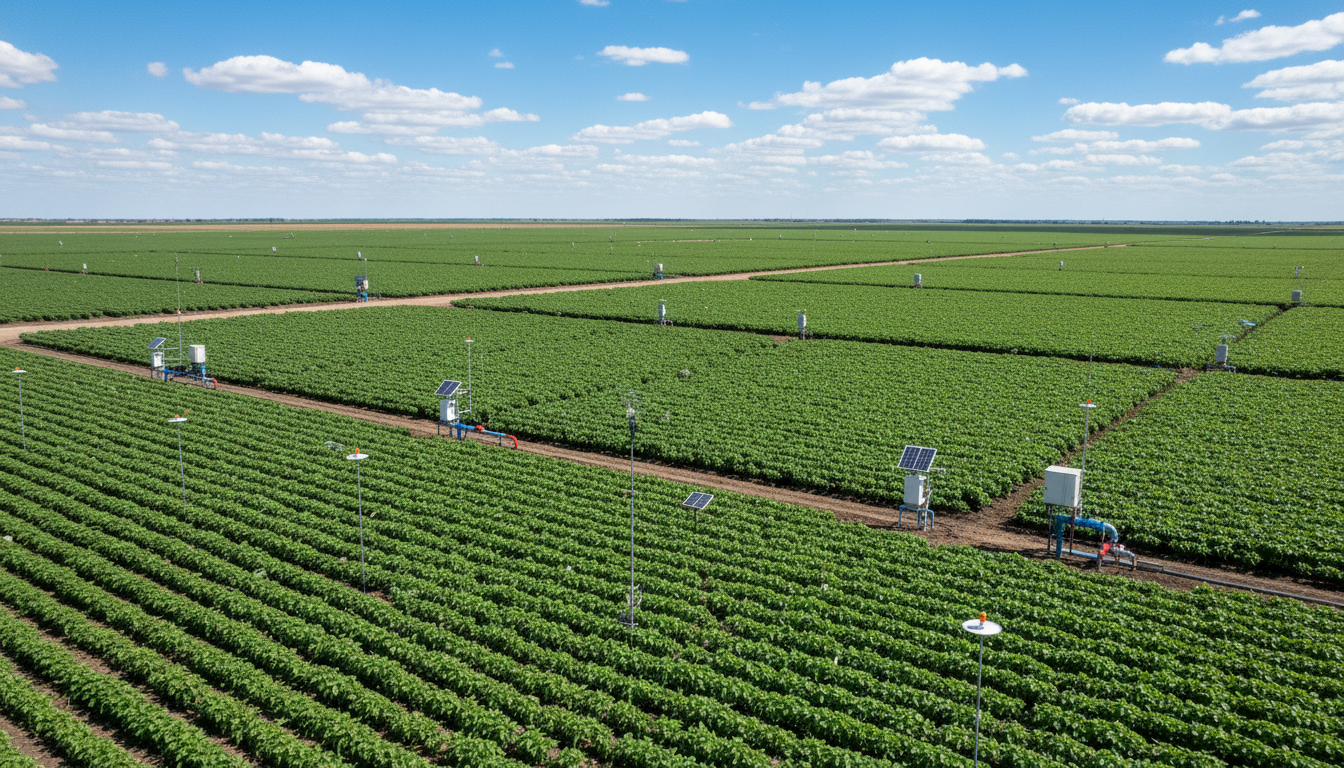
Automation solutions are particularly beneficial in managing large-scale operations. They allow for precision agriculture, which involves using data analytics and IoT devices to monitor and manage crop health, soil conditions, and resource usage.
Types of Farm Automation Solutions
Automated Irrigation Systems
Water management is crucial, especially in Colorado's semi-arid regions. Automated irrigation systems help farmers optimize water usage by delivering the right amount of water at the right time. These systems use sensors and data analytics to monitor soil moisture and weather conditions, ensuring efficient water distribution.
Robotics and Machinery
Robotic technology is transforming how tasks like planting and harvesting are performed. Machines equipped with GPS and AI can work more accurately and quickly than manual labor, reducing costs and increasing productivity. This is particularly useful for labor-intensive crops.
Benefits of Automation for Colorado Farmers
The adoption of automation technologies offers several benefits. First, it significantly reduces the reliance on manual labor, which is increasingly scarce and expensive. Second, it enhances precision in farming operations, leading to better crop yields and reduced waste.

Moreover, automation can lead to more sustainable practices. By optimizing resource usage, such as water and fertilizers, farmers can minimize their environmental footprint, aligning with both regulatory requirements and consumer expectations for eco-friendly practices.
Challenges and Considerations
While the benefits are clear, there are challenges to consider. Initial investment costs for automation technologies can be high. However, farmers can explore government grants and subsidies designed to support technology adoption in agriculture.
Additionally, farmers need to be prepared for the learning curve associated with new technologies. Training and support from technology providers are essential to ensure successful integration and operation of automated systems.
Conclusion
Exploring farm automation solutions is a promising path for Colorado farmers looking to improve efficiency and sustainability. By carefully selecting and implementing the right technologies, farmers can overcome local challenges and enhance their operations for future success.