Exploring Robotic Systems for Precision Farming: A Comprehensive Guide


Introduction to Precision Farming
Precision farming, also known as precision agriculture, is revolutionizing the way we approach agricultural practices. By utilizing advanced technologies, it aims to improve crop yields while minimizing waste and environmental impact. One of the most exciting developments in this field is the integration of robotic systems. These systems are designed to automate various farming tasks, enhancing efficiency and productivity.
The Role of Robotics in Precision Farming
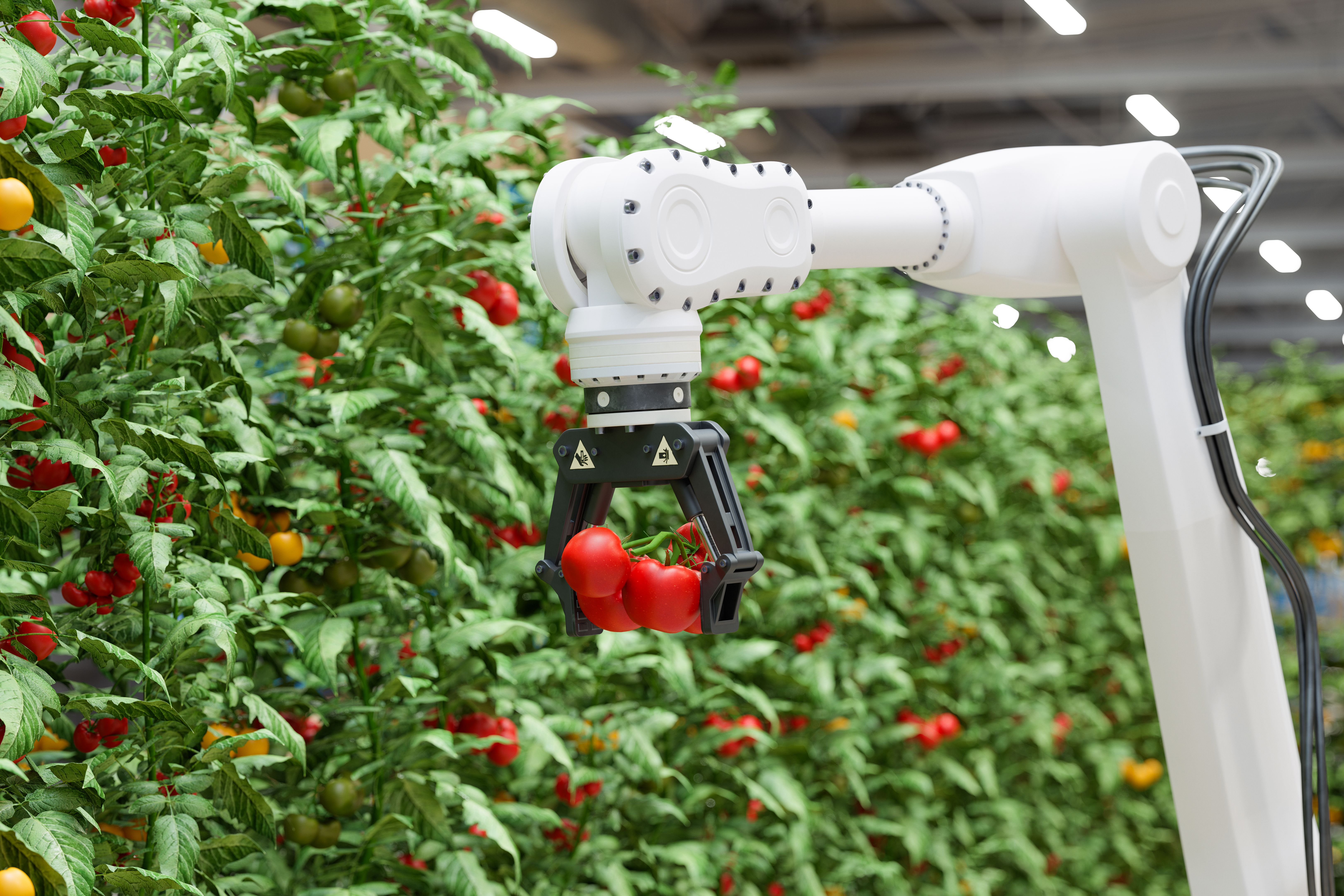
Robotic systems in precision farming are employed to perform a wide array of tasks, from planting and watering to harvesting and monitoring. By leveraging sensors and GPS technologies, these robots can operate with remarkable accuracy, ensuring that resources are used optimally. This level of precision helps in reducing costs and increasing sustainability, making it a vital component of modern agriculture.
Types of Robotic Systems
There are several types of robotic systems used in precision farming, each tailored to specific tasks:
- Autonomous Tractors: These tractors are equipped with GPS and sensors to navigate fields and perform tasks like plowing and sowing without human intervention.
- Drones: Used for aerial surveillance, drones can monitor crop health, assess growth, and even spray fertilizers or pesticides.
- Robotic Harvesters: Designed to pick fruits and vegetables, these robots can work tirelessly, reducing the need for manual labor.
Benefits of Using Robotic Systems
The integration of robotic systems into farming practices offers numerous benefits. Firstly, it reduces the need for manual labor, which can be both costly and challenging to source. Secondly, it enhances the precision of farming operations, leading to better crop management and reduced resource wastage. Finally, these systems can operate continuously, ensuring that farming processes are not hindered by human limitations.
Environmental Impact
Precision farming with robotic systems also contributes positively to the environment. By optimizing the use of water, fertilizers, and pesticides, these technologies help in minimizing the ecological footprint of farming activities. This approach supports sustainable agriculture, promoting a healthier planet for future generations.

Challenges and Considerations
While the benefits are significant, the adoption of robotic systems in precision farming does come with challenges. The initial investment in technology can be substantial, potentially limiting access for smaller farms. Additionally, there is a need for ongoing maintenance and updates to ensure that systems remain efficient and effective. Farmers must also be trained to operate these advanced technologies, which can require time and resources.
Future Prospects
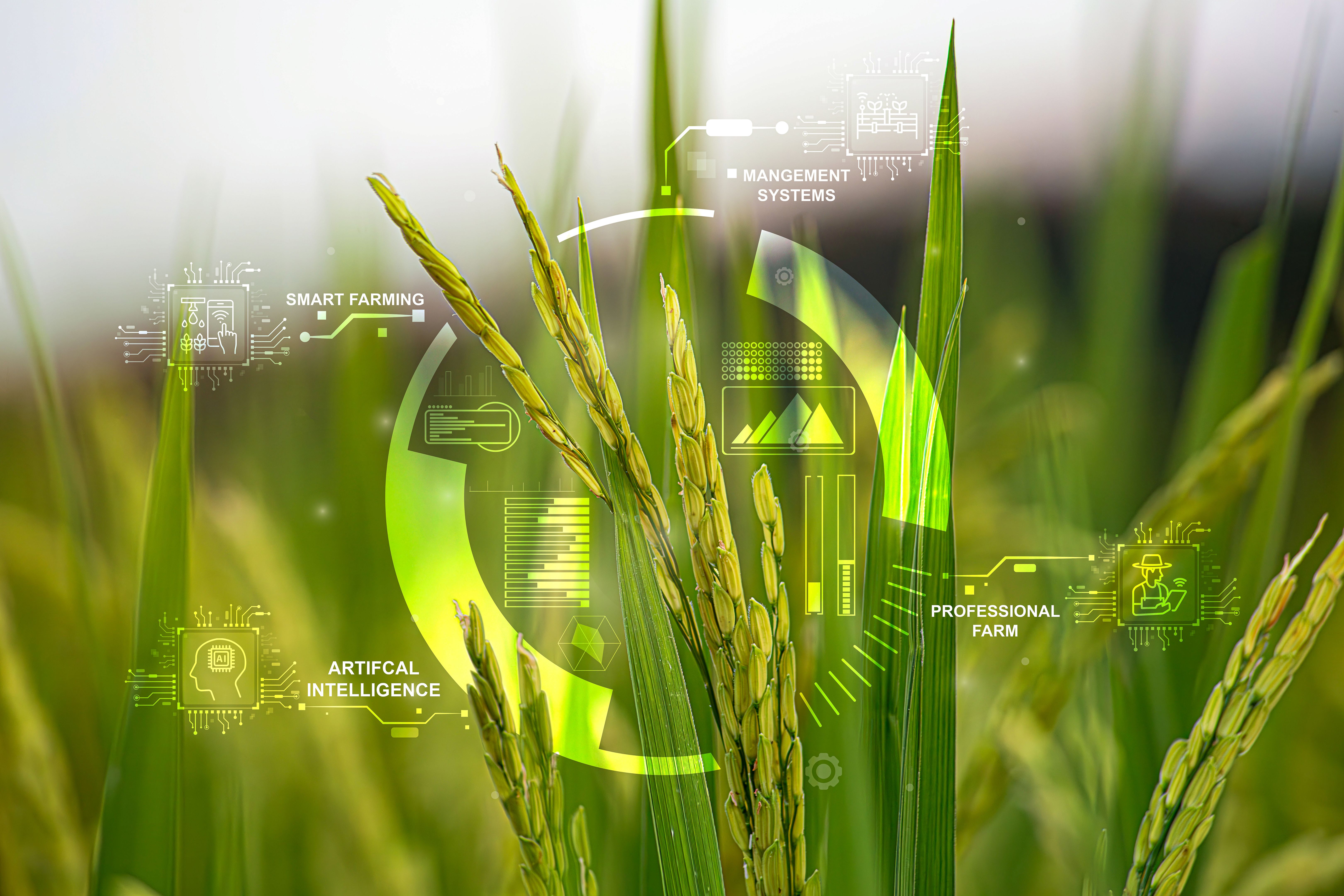
The future of robotic systems in precision farming looks promising. With continuous advancements in technology, these systems are becoming more affordable and accessible. Innovations such as artificial intelligence and machine learning are further enhancing their capabilities, paving the way for even more sophisticated agricultural solutions.
In conclusion, the exploration of robotic systems in precision farming presents a transformative opportunity for the agriculture industry. By embracing these technologies, farmers can achieve greater efficiency, sustainability, and productivity, ultimately contributing to a more secure and prosperous food future.