Harnessing Robotic Systems for Precision Farming: A Comprehensive Guide


Introduction to Precision Farming
Precision farming is revolutionizing the agricultural landscape by enabling farmers to maximize crop yields while minimizing waste and resource use. At the heart of this transformation is the integration of robotic systems that provide accurate data and automate processes. This guide explores how these advanced technologies are shaping the future of agriculture.
The Role of Robotics in Agriculture
Automated Planting and Harvesting
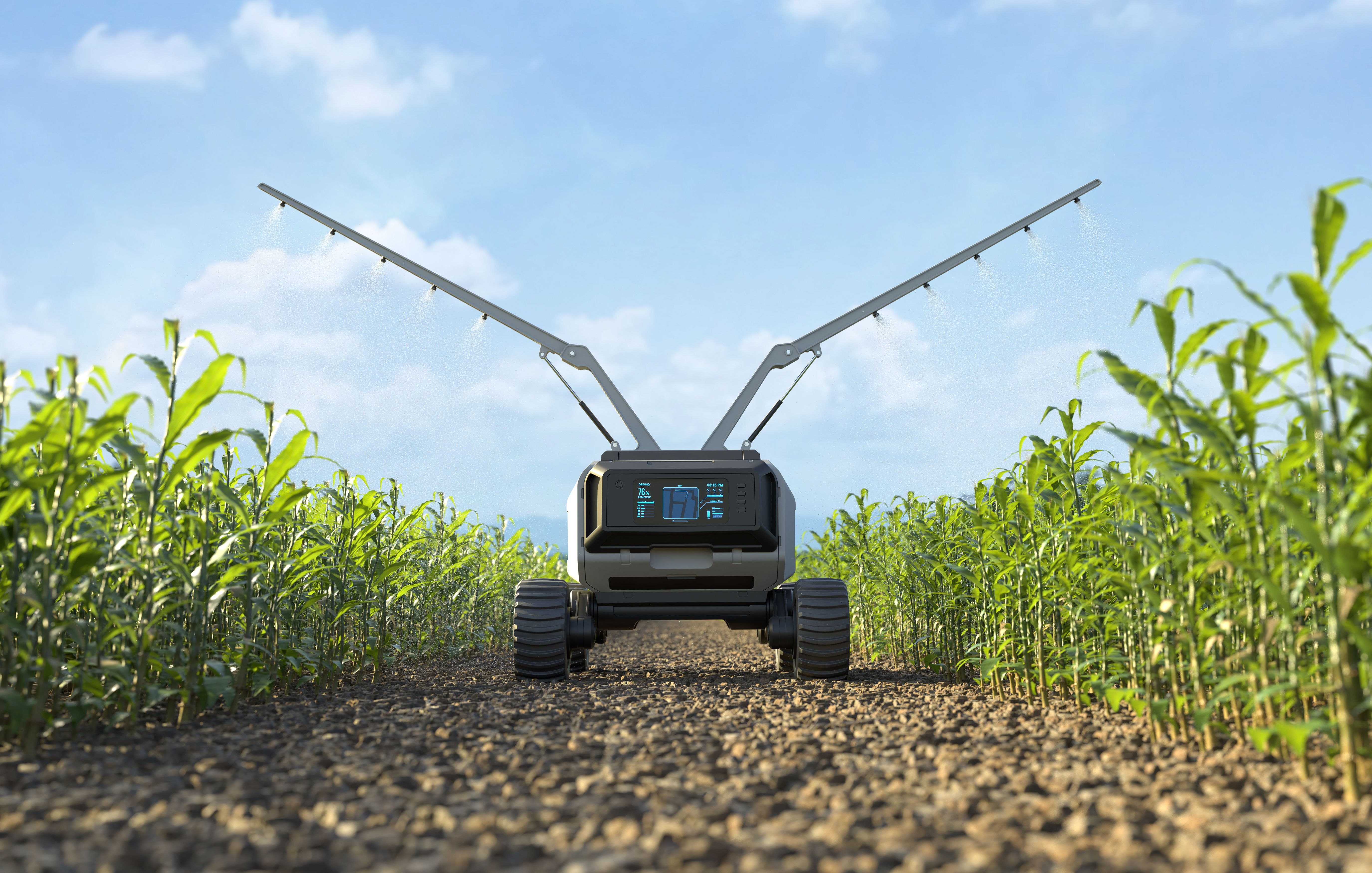
Robotic systems are increasingly used for planting and harvesting, offering unparalleled precision and efficiency. These machines can plant seeds at exact depths and distances, ensuring optimal growth conditions. During harvest, robots can identify ripe crops and pick them with care, reducing damage and loss.
Soil and Crop Monitoring
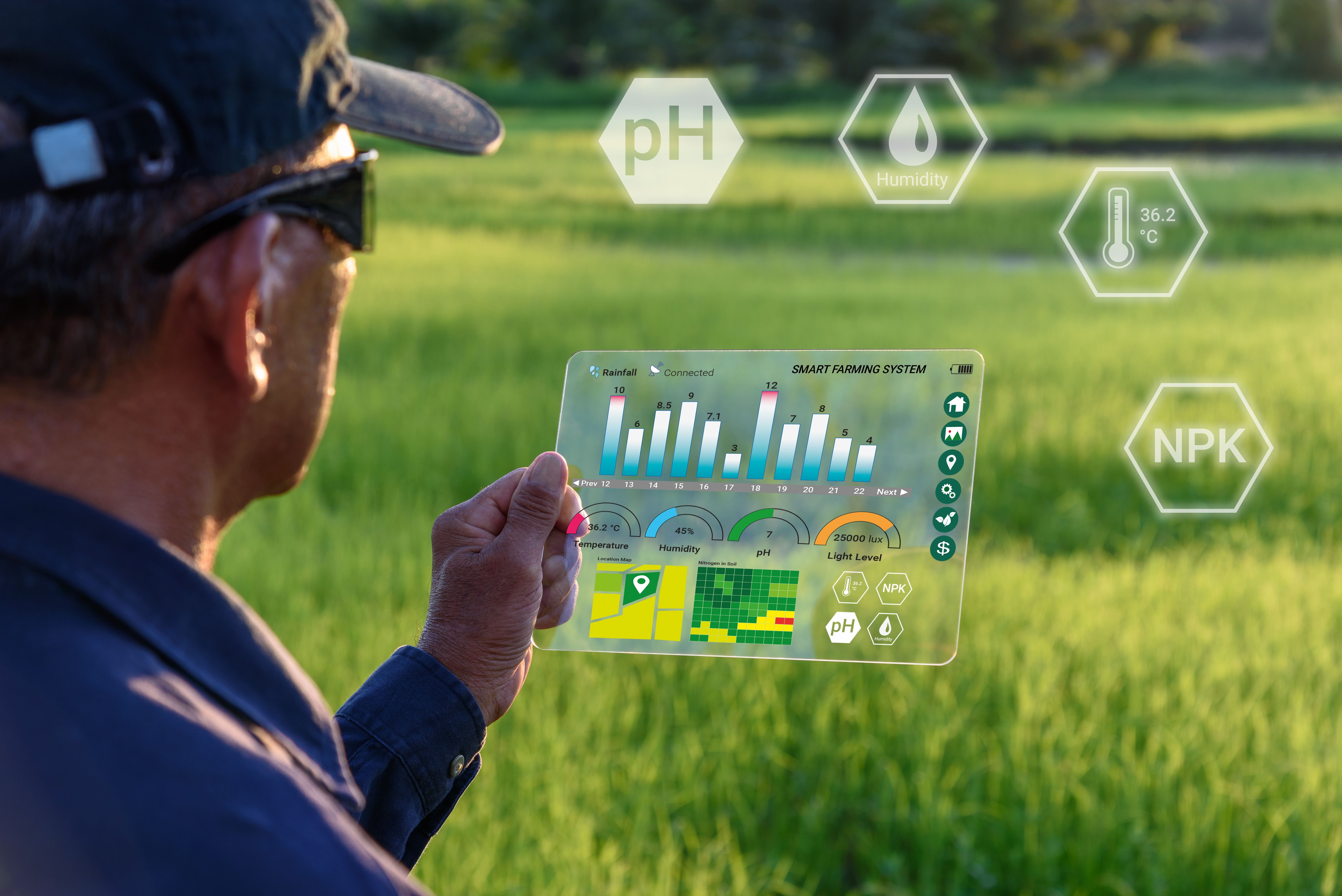
Robots equipped with sensors and cameras are vital for real-time soil and crop monitoring. They gather data on soil moisture, nutrient levels, and plant health, allowing farmers to make informed decisions. This targeted approach helps in applying fertilizers and water only where needed, enhancing sustainability.
Benefits of Robotic Systems in Farming
Increased Efficiency and Productivity
By automating labor-intensive tasks, robotic systems significantly boost farm productivity. These technologies work tirelessly, allowing for extended working hours and faster completion of tasks compared to manual labor. This leads to increased efficiency and higher yields.
Environmental Sustainability
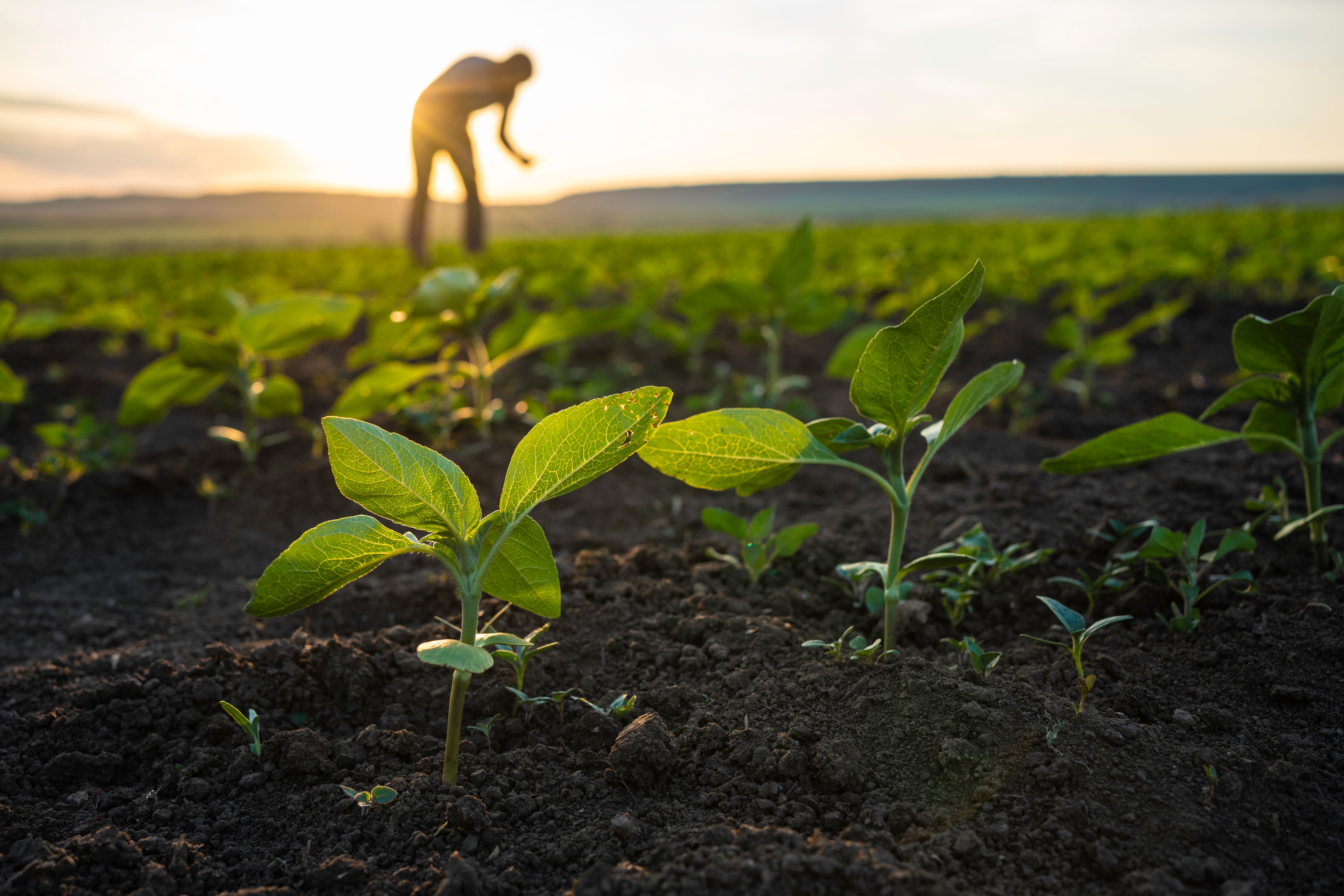
Precision farming with robotics contributes to environmental sustainability. By using resources like water and fertilizers more judiciously, farmers can reduce their environmental footprint. Additionally, automated systems help minimize soil compaction and erosion, preserving soil health for future generations.
Implementing Robotic Systems
Choosing the Right Technology
Selecting the appropriate robotic technology depends on the specific needs of a farm. Factors such as farm size, crop type, and budget play crucial roles in this decision. Consulting with experts can help in identifying the best solutions tailored to individual requirements.
Training and Maintenance
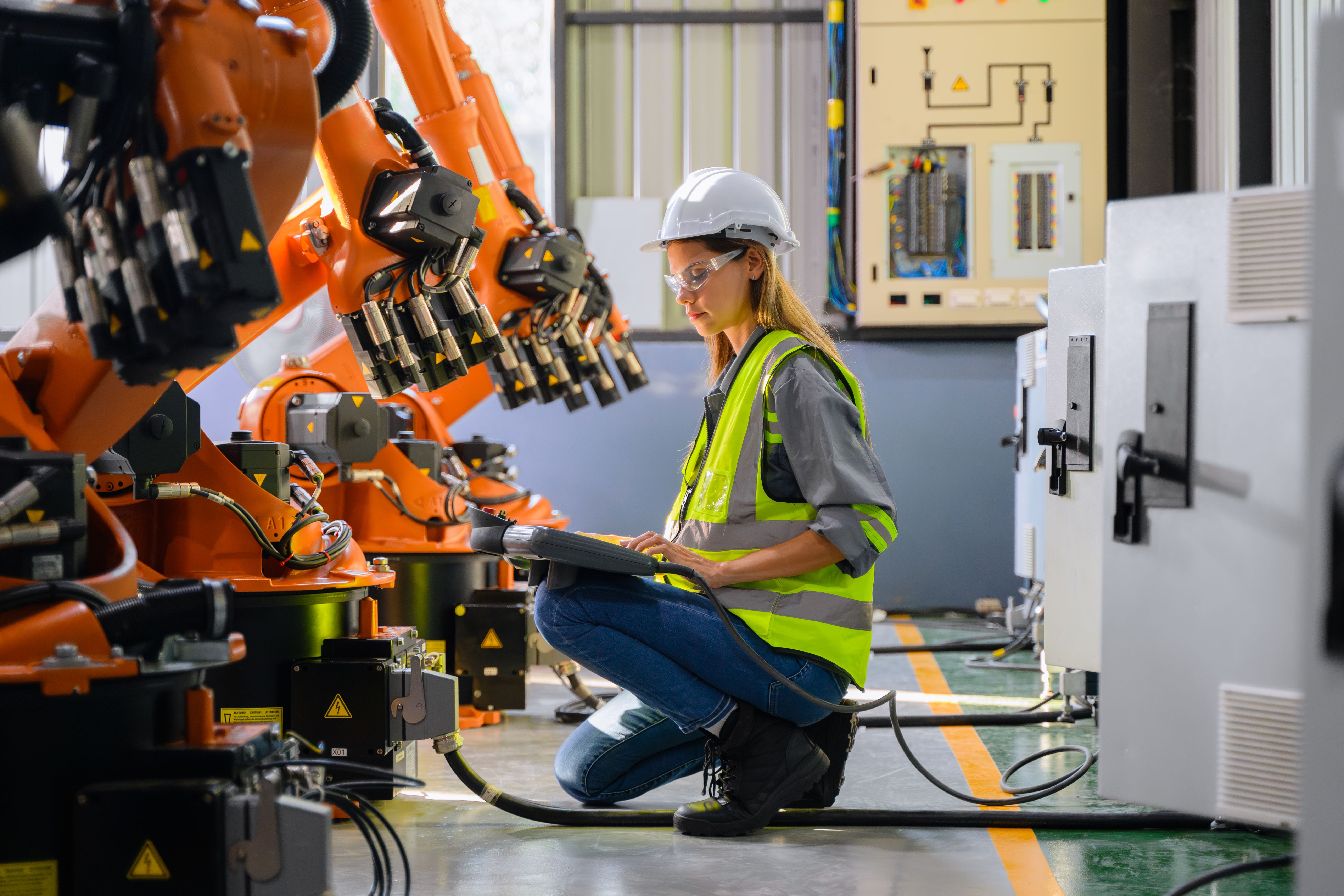
Successful implementation of robotic systems requires proper training for farm workers. Understanding how to operate and maintain these technologies ensures their longevity and effectiveness. Regular maintenance checks are essential to avoid breakdowns and extend the lifespan of the equipment.
Challenges and Future Prospects
While the benefits of robotic systems in precision farming are clear, challenges remain. High initial costs and the need for skilled personnel can be barriers for some farmers. However, as technology advances and becomes more accessible, these obstacles are expected to diminish.
Looking ahead, the integration of artificial intelligence and machine learning with robotics promises even greater innovations in agriculture. These developments will pave the way for more autonomous and intelligent farming solutions, driving the industry toward a more sustainable and productive future.