How Drone Crop Monitoring Systems Are Revolutionizing Denver's Farms


Introduction to Drone Crop Monitoring
As technology continues to advance, various industries are experiencing significant changes. One such industry is agriculture, where drone crop monitoring systems are making a substantial impact. In Denver, these systems are transforming how farms operate, providing farmers with vital data to enhance productivity and sustainability.
Understanding Drone Technology in Agriculture
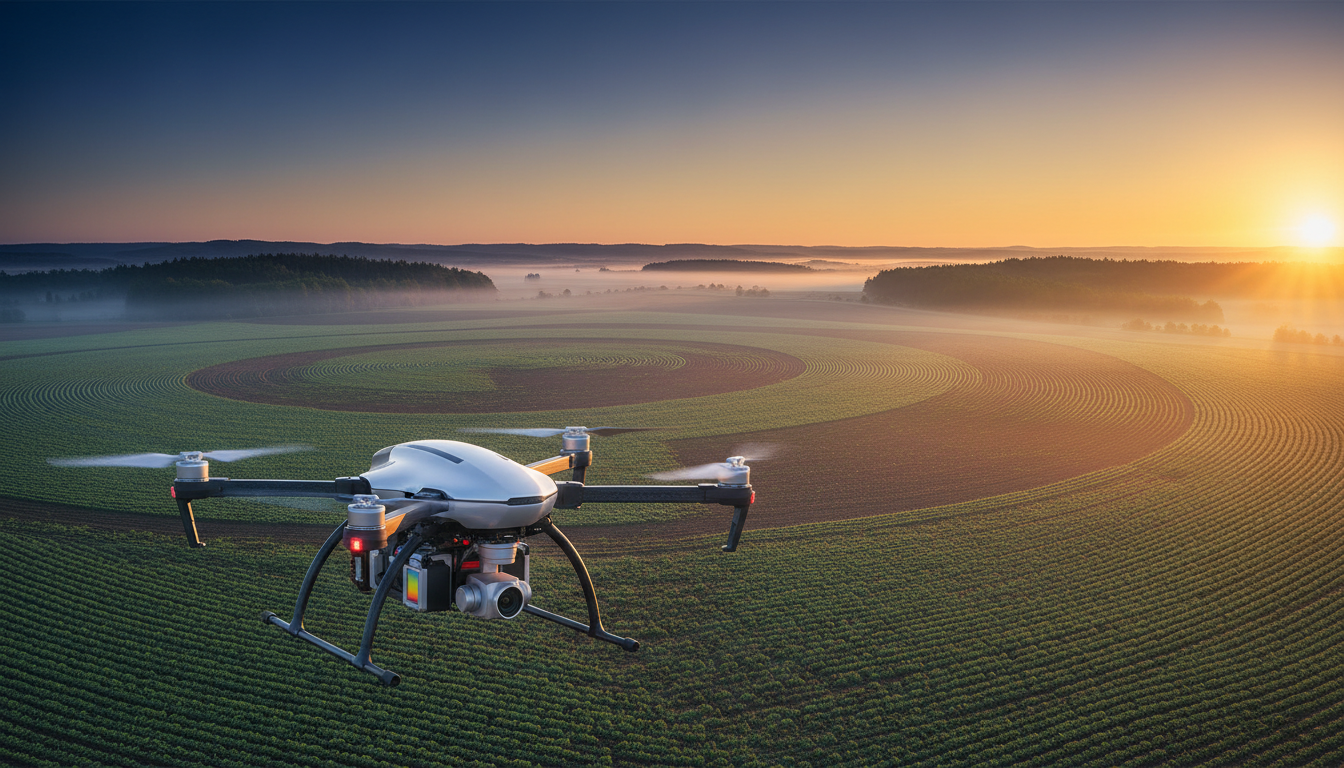
Drones equipped with advanced sensors and imaging capabilities are used to gather detailed information about crop health, soil conditions, and more. This data allows farmers to make informed decisions, optimizing their operations and improving yield quality. By utilizing drones, farmers can cover large areas quickly, reducing the need for manual inspections.
One of the most significant advantages of using drones is the ability to conduct real-time monitoring. This feature enables farmers to detect issues early, such as pest infestations or irrigation problems, and address them promptly. In turn, this proactive approach helps in minimizing crop loss and maximizing output.
Benefits of Drone Crop Monitoring
Drone crop monitoring systems offer numerous benefits to farmers in Denver. Some of the key advantages include:
- Precision Agriculture: Drones provide high-resolution images and data that help in creating precise maps of farms. This precision allows for targeted interventions, reducing waste and improving efficiency.
- Cost-Effectiveness: By identifying issues early and optimizing resource use, drones help in cutting down unnecessary expenses.
- Environmental Impact: With better resource management, drones contribute to more sustainable farming practices, reducing the carbon footprint.
Challenges and Solutions
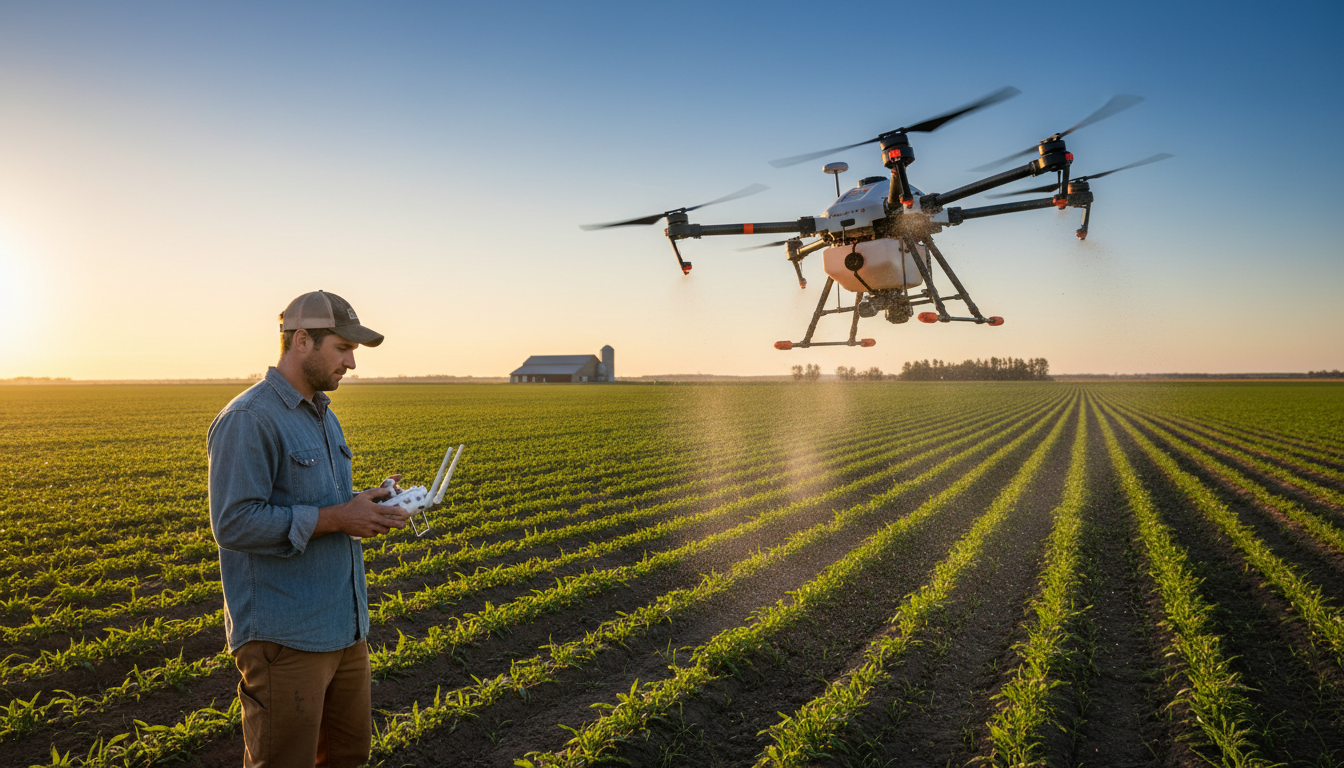
Despite the numerous benefits, there are challenges associated with drone crop monitoring. These include regulatory hurdles, high initial costs, and the need for technical expertise. However, solutions are emerging to address these issues. For instance, many companies offer drone services, eliminating the need for farmers to invest in the technology themselves.
Furthermore, ongoing advancements in drone technology are making systems more user-friendly, with intuitive interfaces and automated features. This evolution is making it easier for farmers to integrate drones into their daily operations.
The Future of Farming in Denver
The adoption of drone crop monitoring systems is set to increase as more farmers recognize their value. With climate change and global population growth exerting pressure on food production, innovative technologies like drones are essential for sustainable agriculture.

In Denver, where diverse crops and varying landscapes are common, drones are proving to be an invaluable tool. They offer farmers a competitive edge, allowing them to maximize productivity while conserving resources.
Conclusion
Drone crop monitoring systems are revolutionizing farms in Denver by providing critical insights and enabling smarter farming practices. As technology continues to evolve, these systems will likely become a staple in modern agriculture, paving the way for a more efficient and sustainable future.