How Farm Automation is Transforming Colorado's Agriculture


Introduction to Farm Automation in Colorado
Colorado's agriculture is undergoing a significant transformation with the advent of farm automation. This technological advancement is not just a trend but a revolution, bringing enhanced productivity and sustainability to the state's farming practices. By integrating modern technology, farmers in Colorado are setting new standards for efficiency and resource management.
The shift towards automated systems is helping to address labor shortages, improve crop yields, and reduce environmental impact. This post will explore the various facets of farm automation and how it is reshaping the agricultural landscape in Colorado.
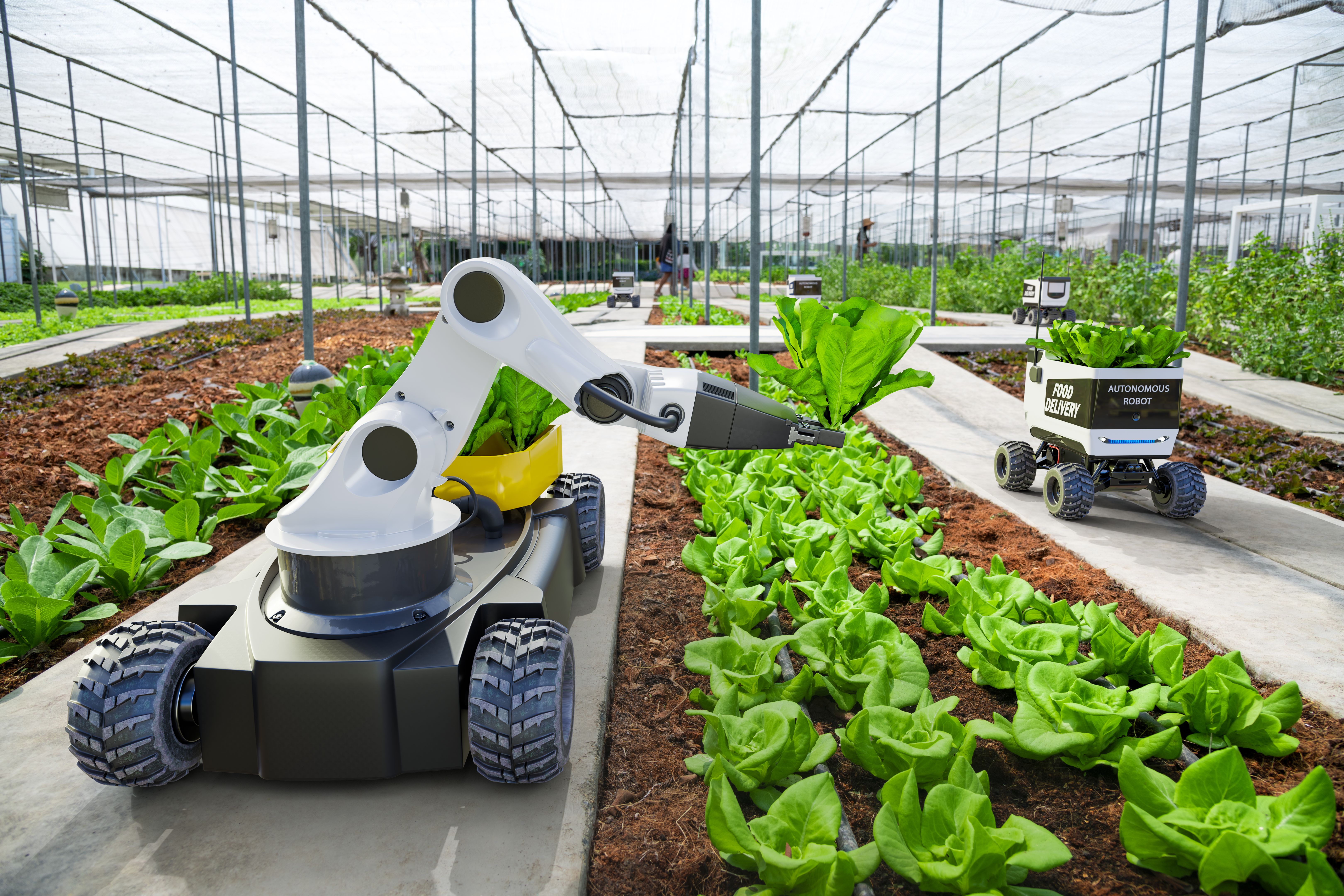
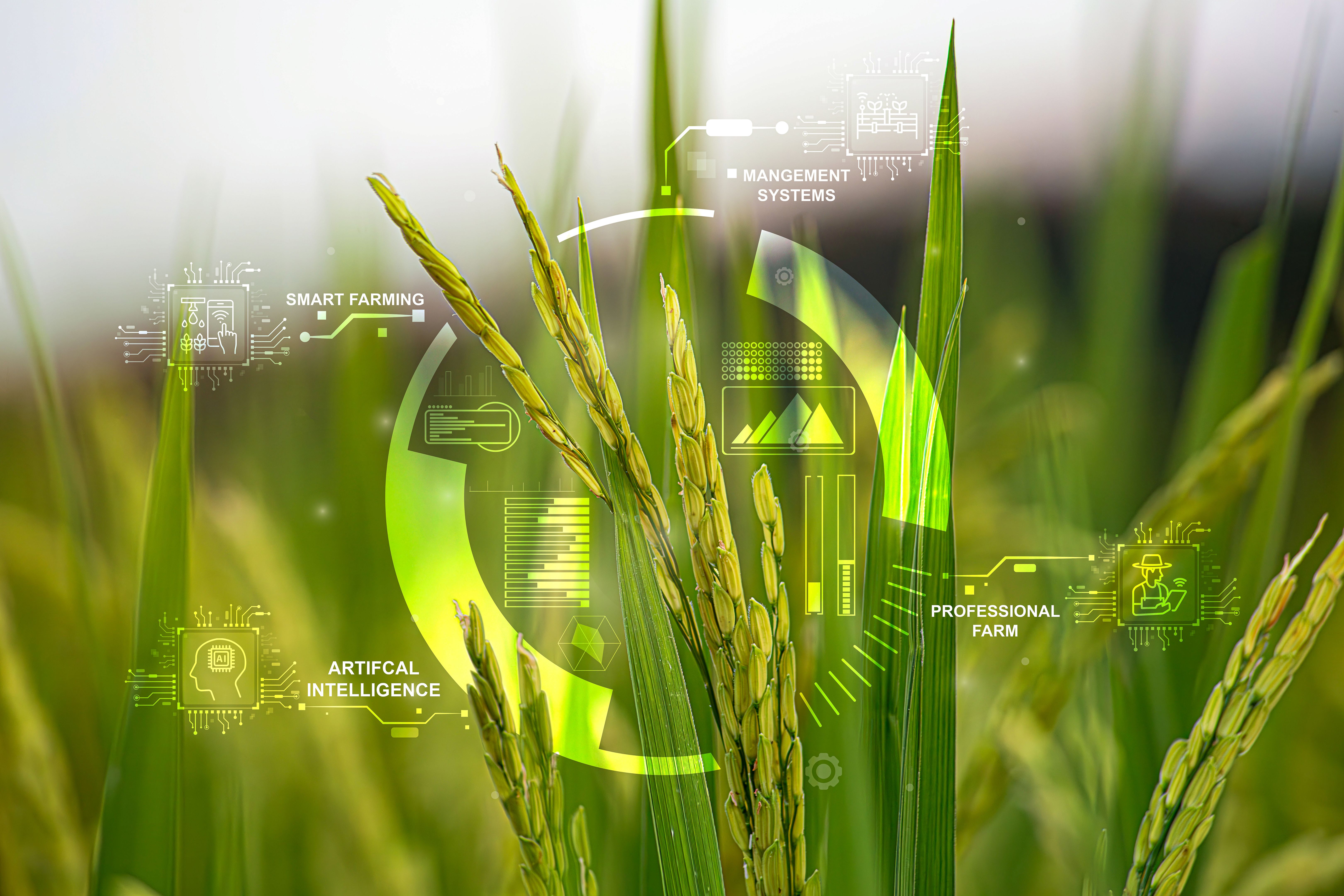
Enhancing Productivity with Precision Agriculture
Precision agriculture is at the forefront of farm automation, allowing farmers to optimize field-level management regarding crop farming. This technology involves the use of GPS and IoT devices to monitor and manage crops and livestock more precisely.
With the help of precision agriculture, farmers can make informed decisions about planting, watering, and harvesting, leading to increased yields and reduced waste. This data-driven approach is crucial in a state like Colorado, where water conservation is essential.
Automated Machinery and Robotics
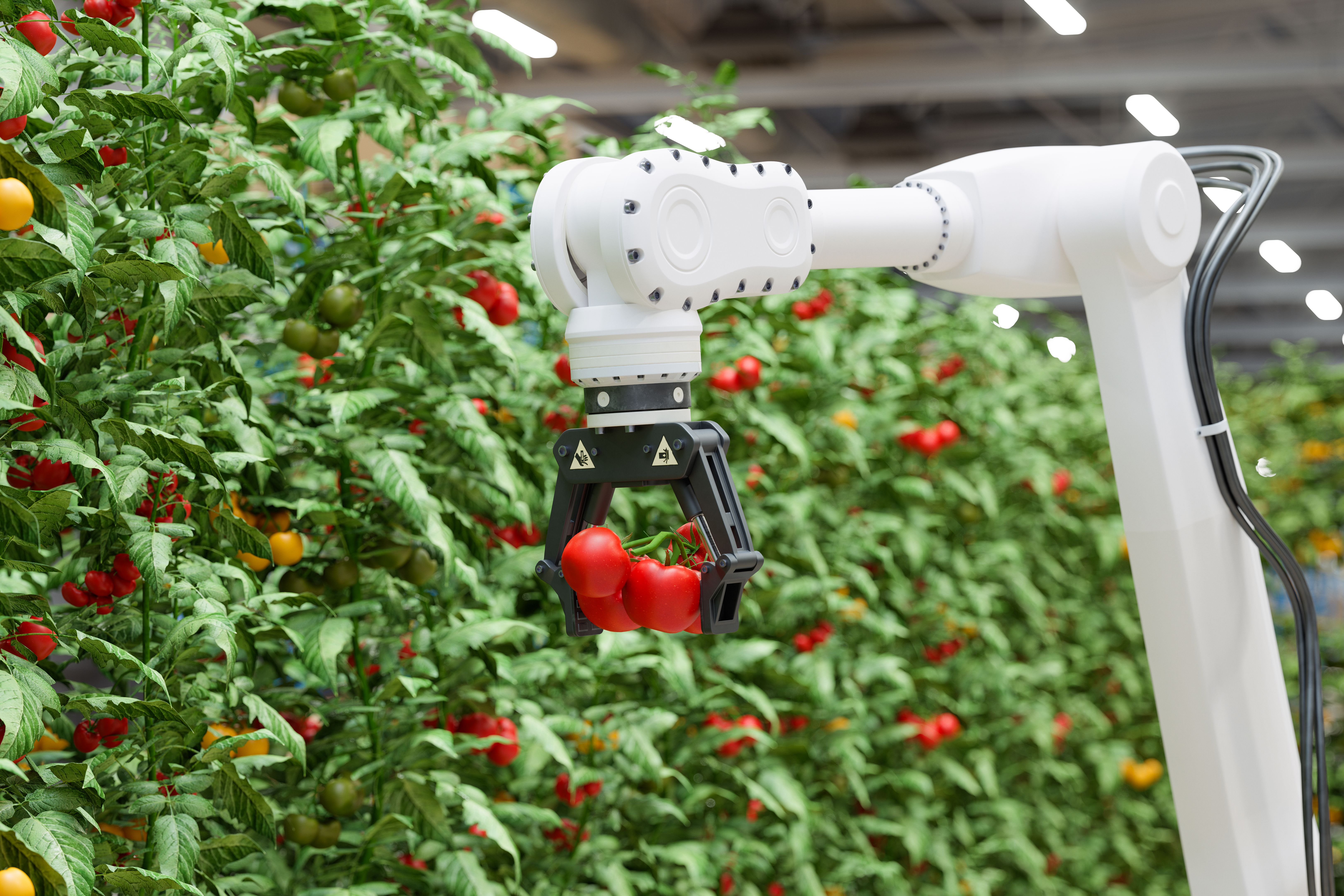
Automated machinery and robotics are revolutionizing the way farms operate. From autonomous tractors to robotic harvesters, these innovations are reducing the need for manual labor while increasing efficiency.
Robots equipped with sensors and cameras can perform tasks such as planting, weeding, and harvesting with precision. This automation allows farms to operate more smoothly and respond better to the demands of modern agriculture.
Improving Sustainability with Smart Irrigation
Water management is a critical concern for Colorado's agriculture. Smart irrigation systems are helping farmers optimize water usage, ensuring that crops receive the right amount of water at the right time.
These systems use sensors and weather data to make real-time adjustments, reducing water waste and ensuring optimal growth conditions. By conserving water, farmers contribute to the sustainability of Colorado's agricultural sector.
Environmental Benefits of Automation
The environmental benefits of farm automation extend beyond water conservation. Automated systems often rely on renewable energy sources, reducing the carbon footprint of farming operations.
Additionally, targeted application of fertilizers and pesticides minimizes chemical runoff, protecting local ecosystems. These practices contribute to a more sustainable and environmentally friendly agricultural industry in Colorado.

Challenges and Future Prospects
While the benefits of farm automation are substantial, challenges remain. The initial investment in technology can be prohibitive for smaller farms, and there is a learning curve associated with adopting new tools and systems.
However, as technology continues to evolve and become more accessible, the future looks promising. Innovations in artificial intelligence and machine learning are expected to further enhance the capabilities of farm automation, making it an essential component of Colorado's agricultural success.

Conclusion
Farm automation is transforming Colorado's agriculture by enhancing productivity, improving sustainability, and offering solutions to ongoing challenges. As technology continues to advance, the potential for growth and innovation in this sector is immense.
Embracing these changes will not only boost the agricultural economy but also ensure that Colorado remains at the forefront of sustainable farming practices. The future of agriculture in the state is bright, driven by the power of automation.