How Robotic Farming Innovations Are Shaping the Future of Agriculture


Introduction to Robotic Farming
The agricultural industry is witnessing a technological revolution with the advent of robotic farming. These innovations are not only increasing efficiency but also transforming how we think about food production. As global populations rise, the demand for sustainable and efficient farming solutions becomes more critical.
Enhancing Efficiency with Automation
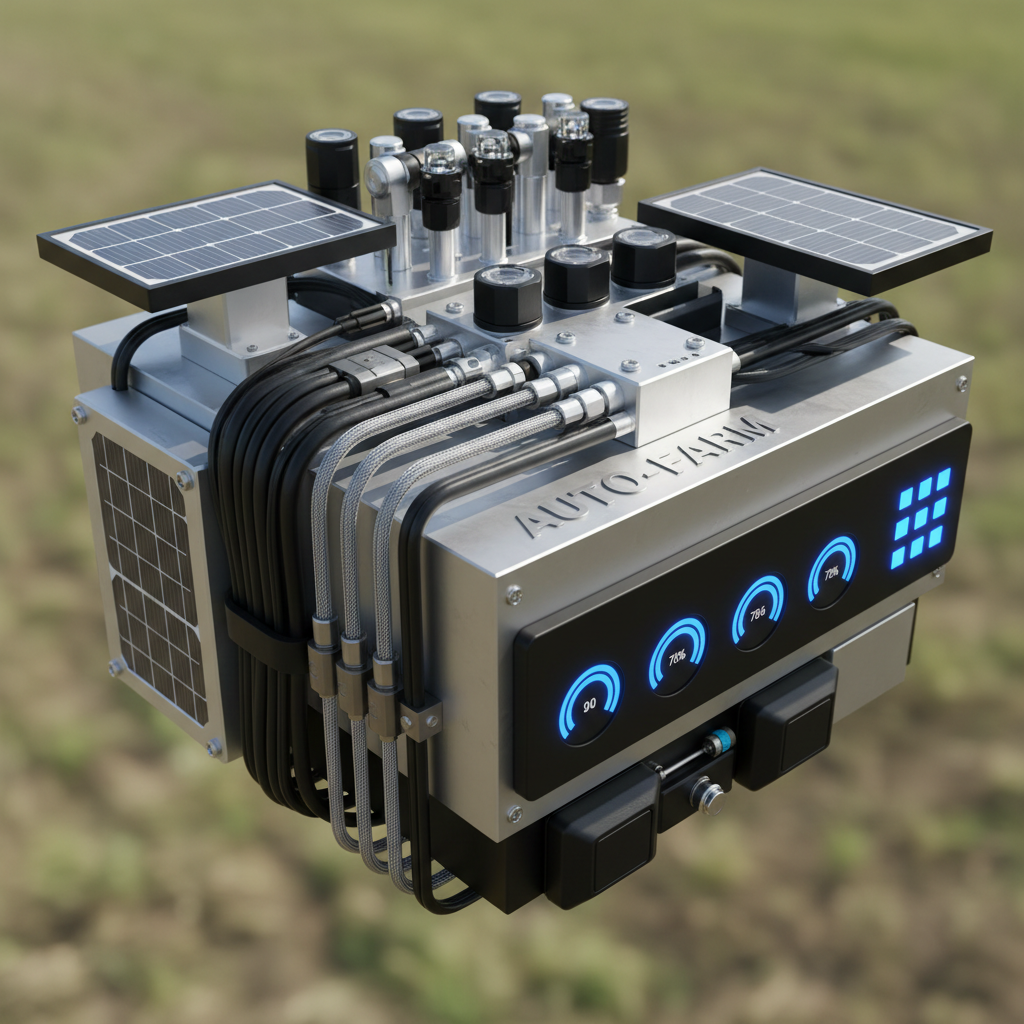
One of the most significant benefits of robotic farming is the enhancement of efficiency. Automated systems can operate 24/7, reducing the need for manual labor and increasing productivity. This shift allows farmers to manage larger areas of land with fewer resources, ultimately leading to higher yields.
For instance, autonomous tractors and drones can perform tasks such as planting, watering, and monitoring crops. These machines are equipped with advanced sensors and GPS technology, ensuring precise and consistent operations.
Precision Agriculture
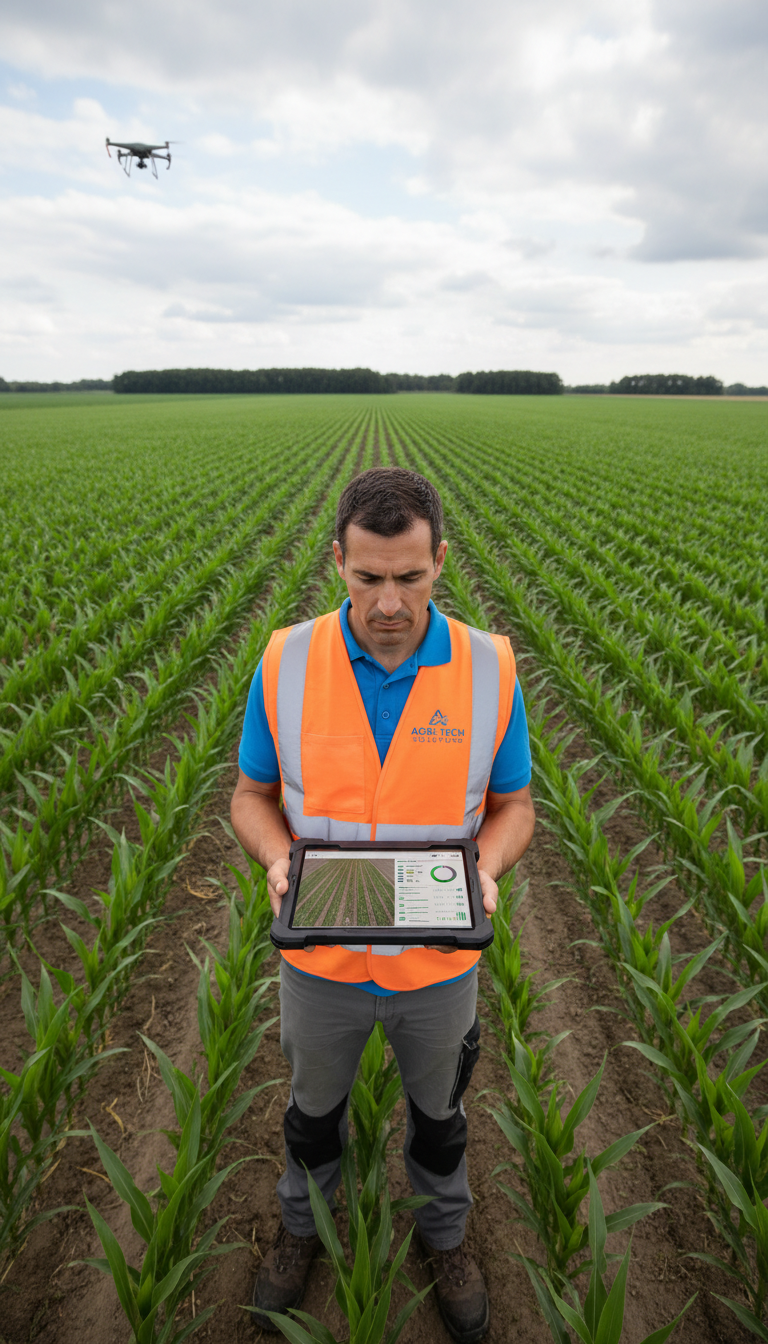
Robotic innovations contribute significantly to precision agriculture. This approach uses technology to monitor and manage variability in fields, optimizing the growth conditions for each plant. By using data-driven insights, farmers can make informed decisions about irrigation, fertilization, and pest control.
Environmental Benefits
Robotic farming also offers substantial environmental benefits. By optimizing resource use, these technologies help reduce waste and minimize the environmental footprint of farming practices. For example, precision irrigation systems can significantly reduce water usage, while automated pest control can decrease the need for chemical pesticides.
Furthermore, the ability to monitor crops in real-time allows for quick responses to any potential issues, reducing crop loss and improving overall sustainability.
Improving Crop Health and Quality
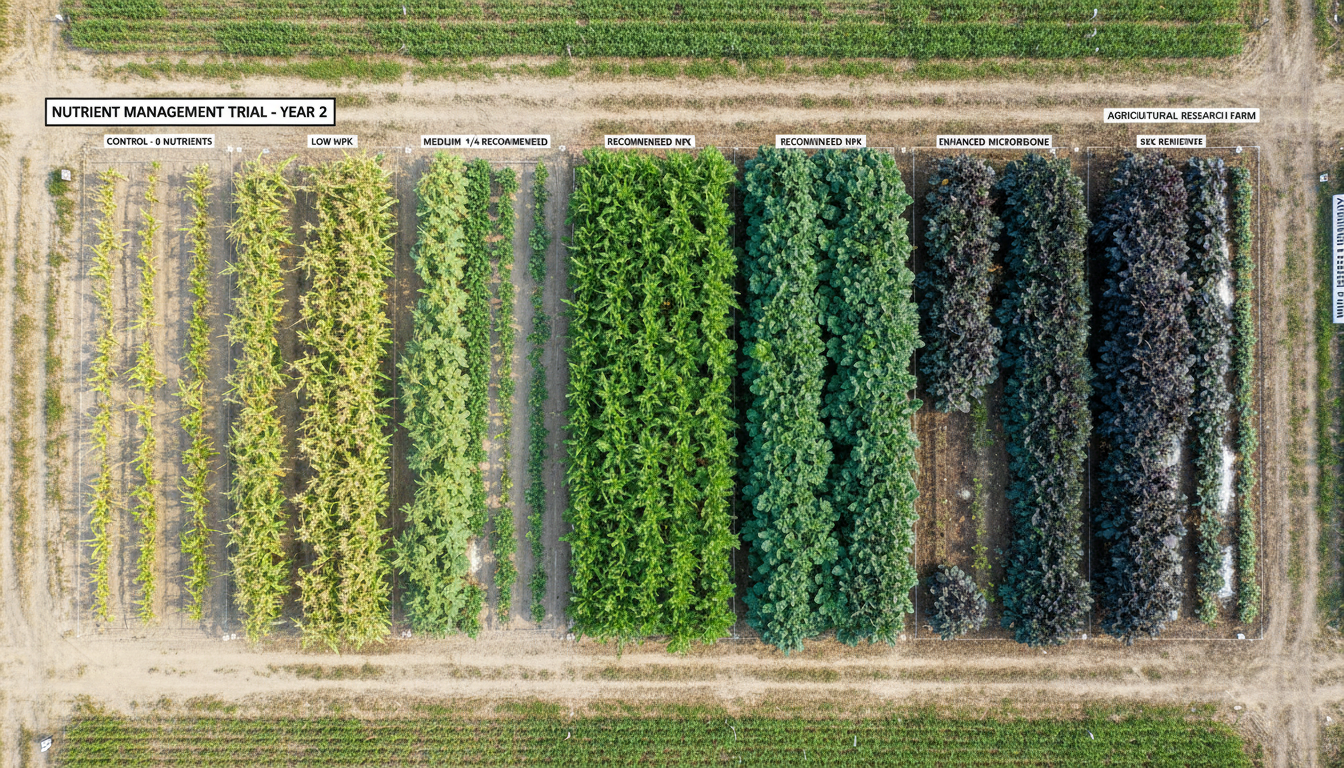
With the help of robotic farming, the health and quality of crops can be dramatically improved. Sensors and imaging technologies can detect diseases and nutrient deficiencies early, allowing for timely interventions. This proactive approach ensures healthier crops and better quality produce.
Challenges and Future Prospects
Despite the many advantages, robotic farming faces several challenges. High initial costs and the need for technical expertise can be barriers for small-scale farmers. Additionally, there are ongoing concerns about data privacy and the ethical implications of automating traditional farming jobs.
However, as technology advances and becomes more accessible, these barriers are gradually being overcome. The future of agriculture looks promising, with robotic farming playing a pivotal role in meeting global food demands sustainably.
Conclusion
Robotic farming innovations are undoubtedly shaping the future of agriculture. By increasing efficiency, enhancing crop quality, and providing environmental benefits, these technologies are paving the way for a more sustainable and productive agricultural landscape. As we continue to embrace these advancements, the potential for growth and improvement in the industry seems limitless.