How Robotics Can Improve Farm Productivity: A Comprehensive Guide


Introduction to Robotics in Agriculture
The integration of robotics in agriculture is revolutionizing how farms operate, enhancing productivity and efficiency. By automating repetitive tasks, these advanced technologies allow farmers to focus on other essential aspects of farm management. In this guide, we will explore how robotics can significantly boost farm productivity.
Enhancing Efficiency with Autonomous Machines
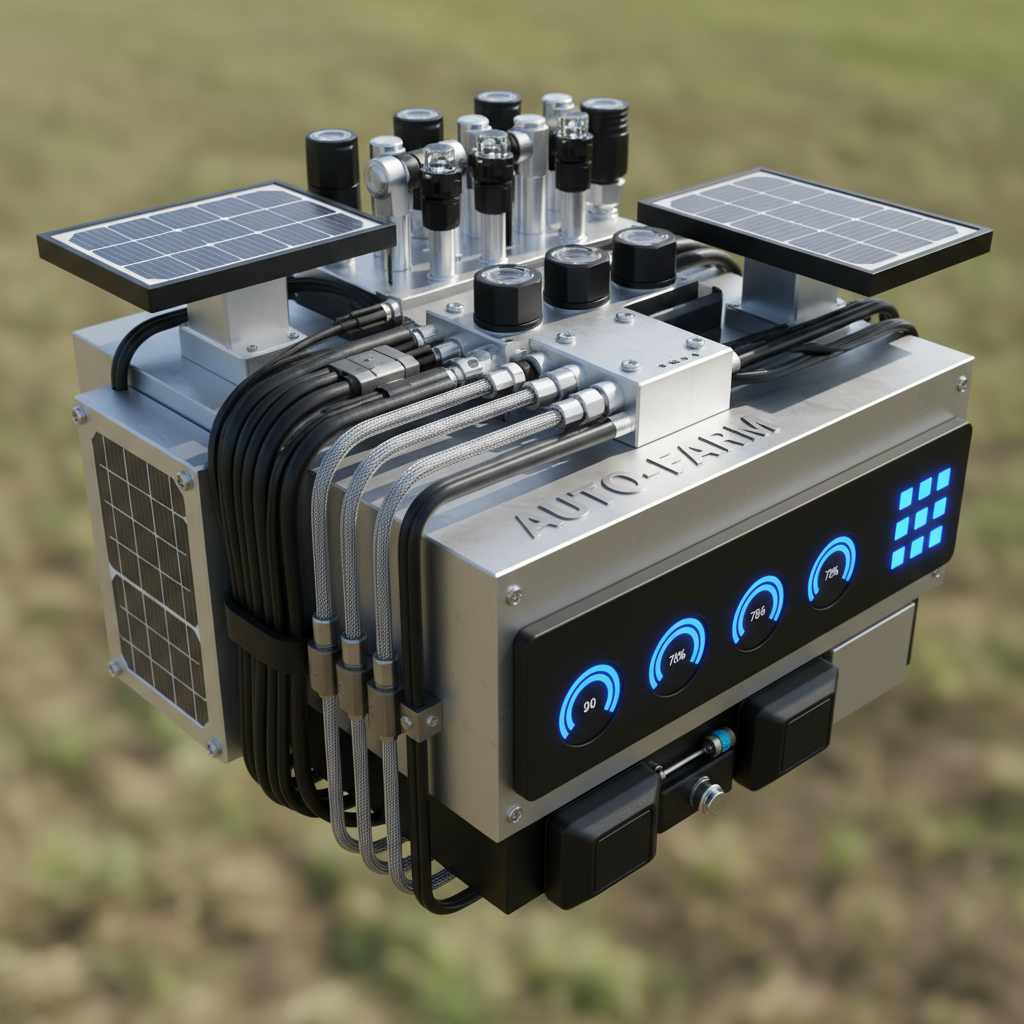
One of the primary benefits of using robotics in farming is the increased efficiency of operations. Autonomous machines can perform tasks such as planting, watering, and harvesting with precision and consistency. This eliminates human error and reduces labor costs. For instance, robotic planters can ensure seeds are sown at optimal depth and spacing, enhancing crop yields.
Moreover, autonomous tractors and drones can cover large fields quickly, performing tasks that would take humans significantly longer. This efficiency is crucial in meeting the demands of a growing global population.
Precision Agriculture and Data Collection
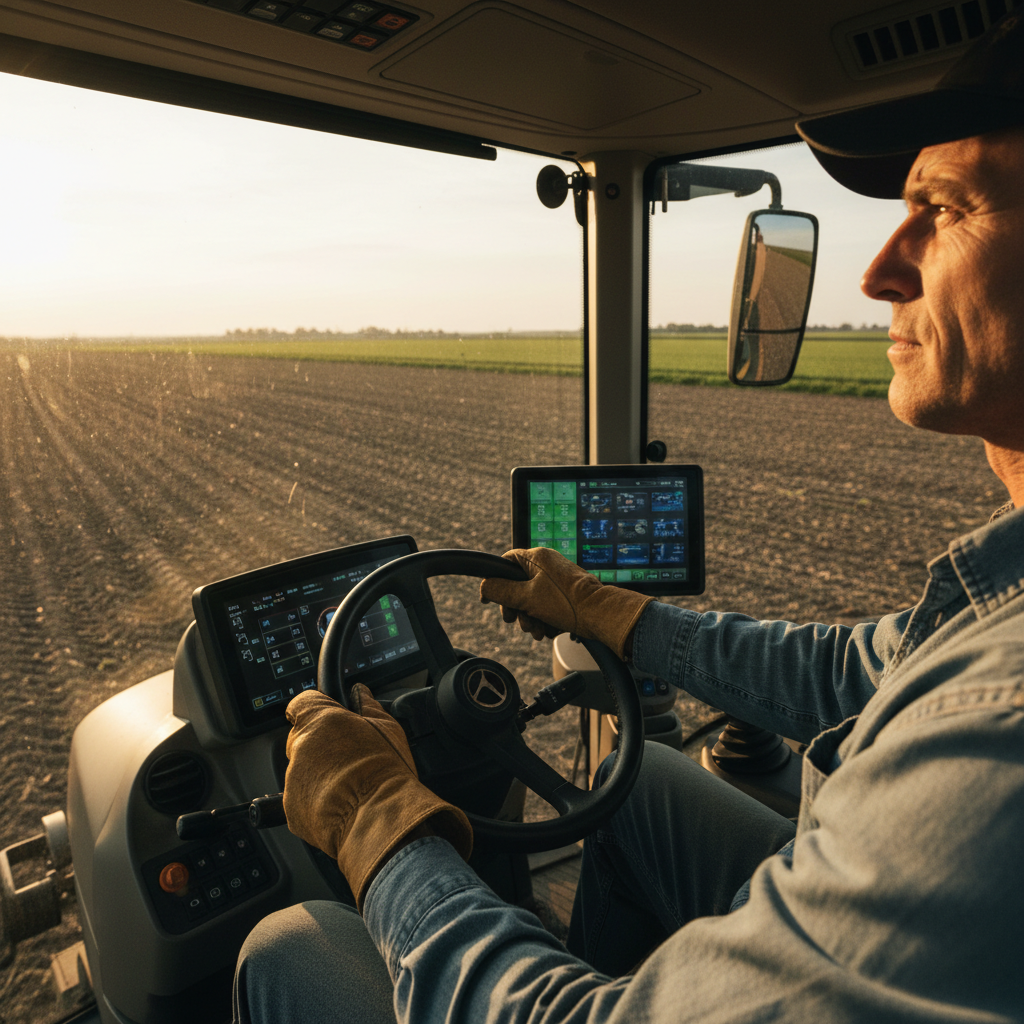
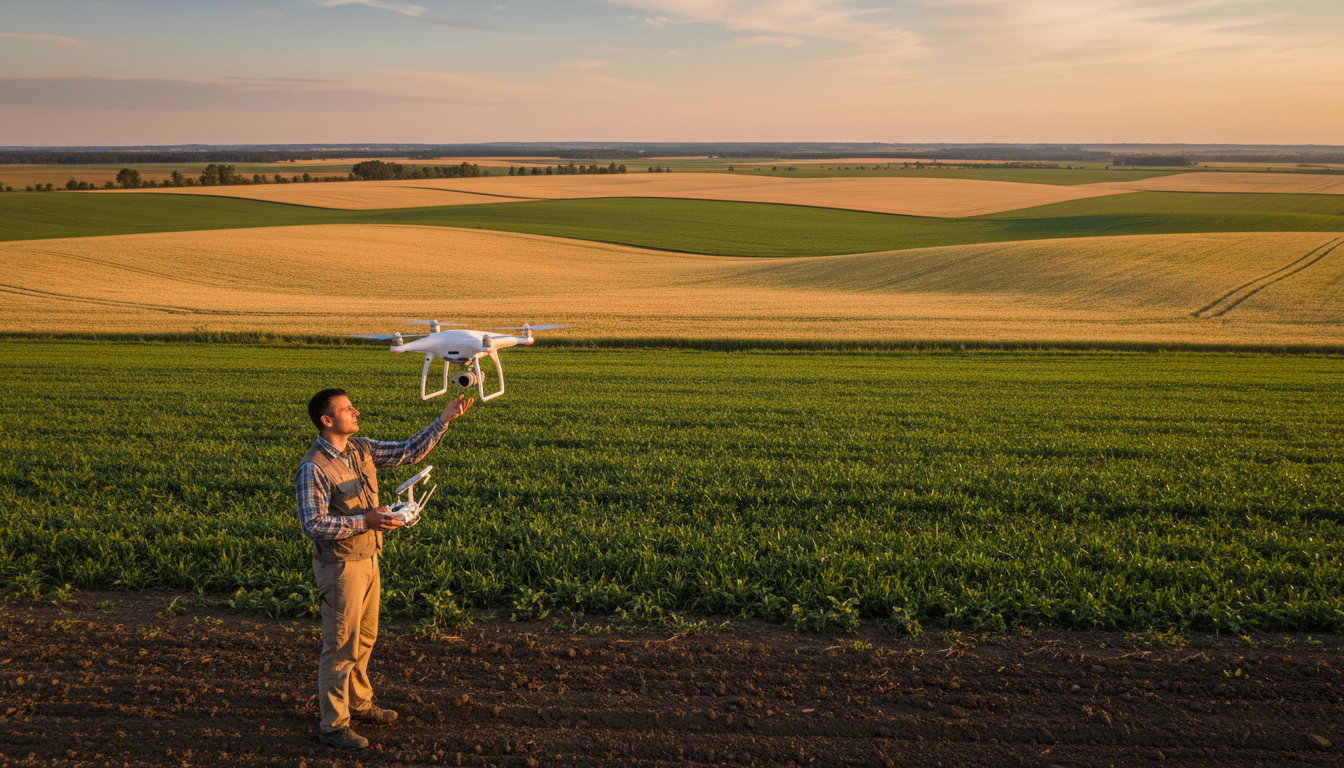
Robotics plays a vital role in precision agriculture by collecting and analyzing data to optimize farming practices. Drones equipped with sensors and cameras can monitor crop health, soil conditions, and pest infestations. This data helps farmers make informed decisions, improving crop management and reducing waste.
With the help of machine learning algorithms, robots can predict weather patterns, identify crop diseases early, and recommend the best time for harvesting. This data-driven approach ensures higher productivity and sustainability.
Robotics in Livestock Management
Beyond crop farming, robotics is also enhancing livestock management. Automated feeding systems ensure animals receive the right amount of nutrition at the right time, improving their health and productivity. Similarly, robotic milking machines provide consistent and efficient milking, reducing stress on the animals.
These technologies not only improve animal welfare but also free up farmers to focus on other critical tasks, enhancing overall farm productivity.
Challenges and Considerations
While robotics offers numerous benefits, there are challenges to consider. The initial investment in robotic systems can be high, and there may be a learning curve for farmers to adapt to new technologies. Additionally, maintenance and technical support are crucial to ensure these machines operate efficiently.
However, as technology advances and becomes more accessible, these challenges are likely to diminish, making robotics a viable option for farms of all sizes.
The Future of Robotics in Agriculture
The future of robotics in agriculture is promising, with continuous innovations driving the sector forward. From AI-driven analytics to fully autonomous farming systems, the potential for robotics to transform agriculture is immense. As these technologies become more integrated, they will play a crucial role in ensuring food security and sustainability worldwide.