How Robotics Can Improve Farm Productivity: Expert Insights


Introduction to Robotics in Agriculture
The integration of robotics in agriculture is transforming how farms operate, offering significant improvements in productivity and efficiency. With the global population on the rise, there is a growing need for innovative solutions to meet food demands. Robotics provides a promising avenue for enhancing agricultural practices.
Precision Farming and Robotics
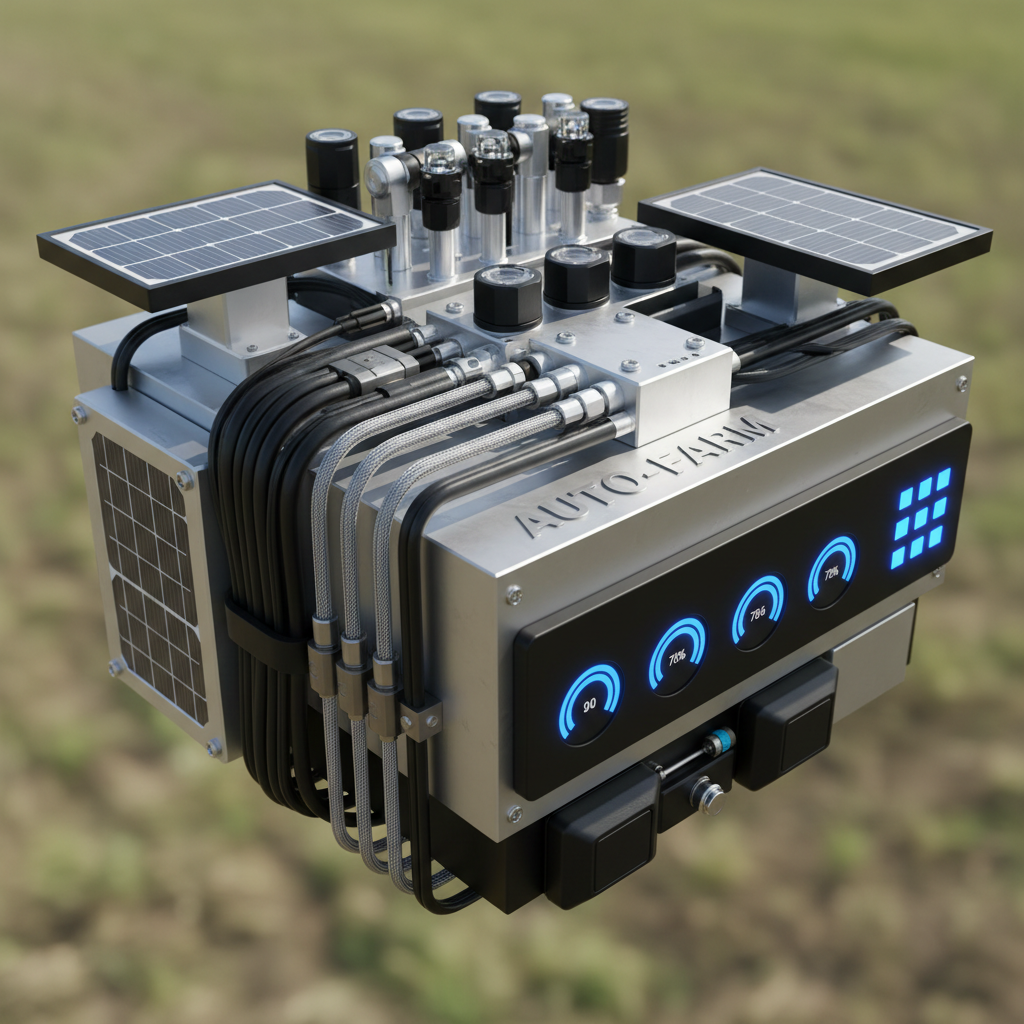
Precision farming is one of the key areas where robotics shines. By utilizing advanced sensors and GPS technology, robots can perform tasks such as planting, watering, and fertilizing with pinpoint accuracy. This targeted approach minimizes waste and maximizes yield.
Robots equipped with machine learning algorithms can analyze data from the field in real-time, allowing farmers to make informed decisions. This data-driven approach ensures that resources are used efficiently, boosting overall productivity.
Harvest Automation
Harvesting is a labor-intensive process that can benefit greatly from robotic assistance. Robots can work tirelessly around the clock, picking fruits and vegetables with care and consistency. This not only speeds up the harvesting process but also reduces the reliance on seasonal labor.
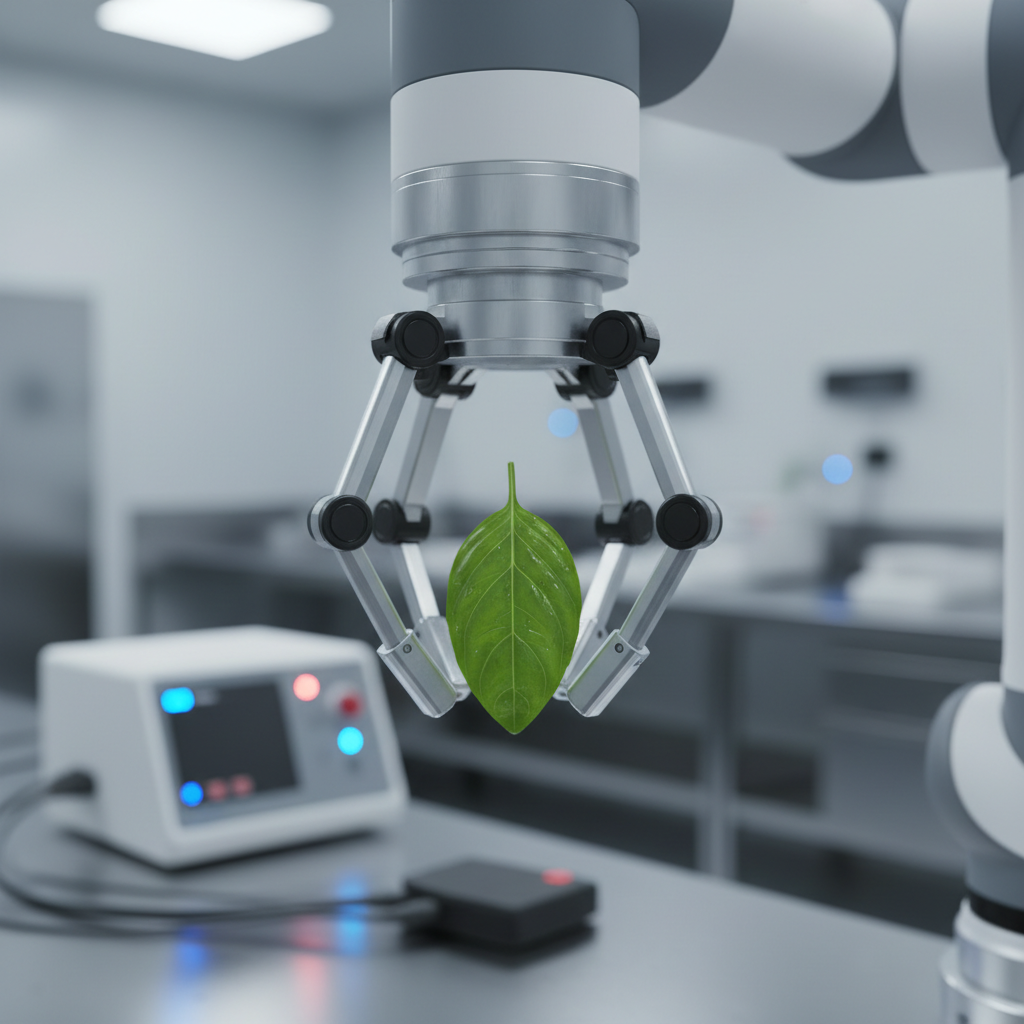
Advanced robotic systems can be tailored to handle specific crops, using cameras and sensors to identify ripeness and quality. This ensures that only the best produce reaches the market, enhancing both efficiency and profitability.
Weed and Pest Control
Weeds and pests are perennial challenges for farmers, often requiring significant time and resources to manage. Robotics offer a sustainable solution by automating weed and pest control, reducing the need for chemical interventions.
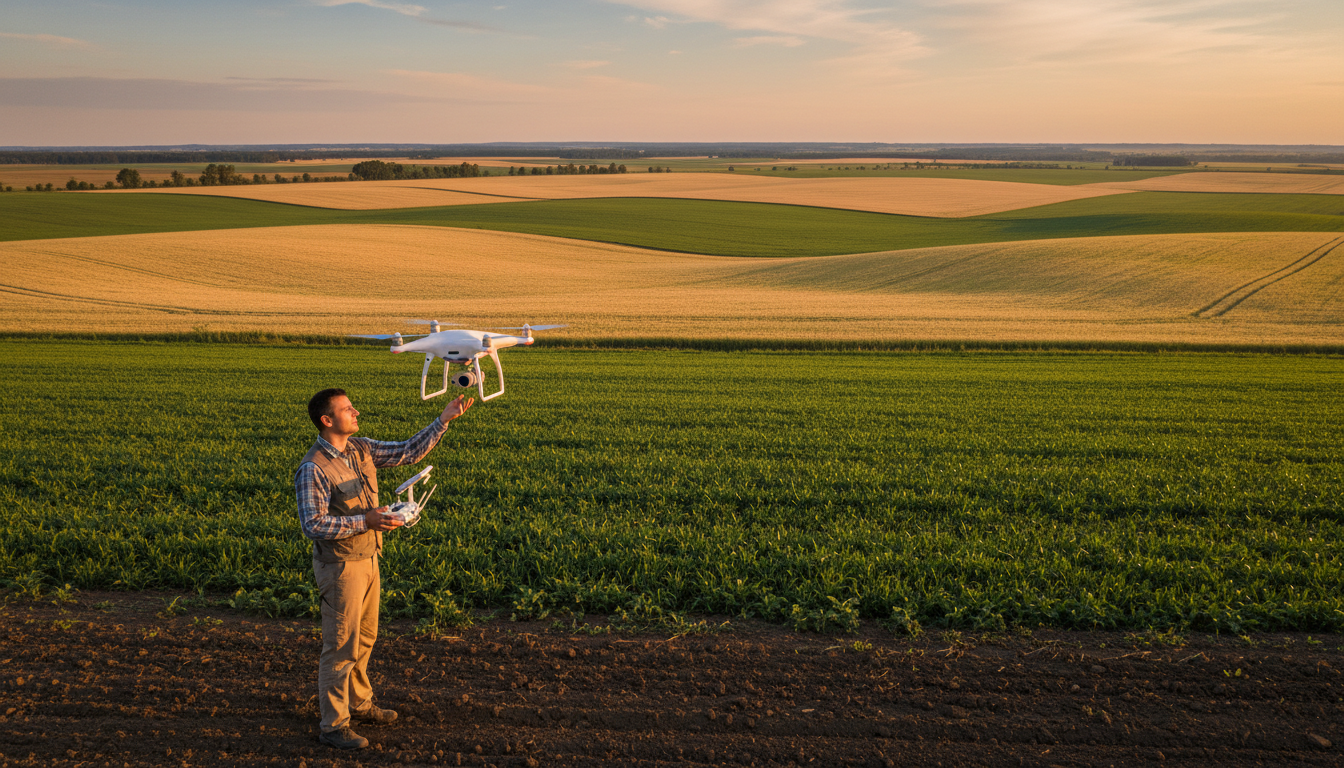
Robots equipped with AI can identify and remove weeds with precision, avoiding damage to crops. Similarly, drones can be deployed to monitor pest activity, allowing for timely interventions that protect yields.
Enhancing Labor Efficiency
Robotics not only increases productivity but also enhances labor efficiency. By taking over repetitive and laborious tasks, robots free up human workers to focus on more strategic activities, such as planning and management.
This shift allows farms to operate more smoothly and adapt to changing conditions, ultimately leading to better productivity and sustainability.
Challenges and Future Prospects
While the benefits of robotics in agriculture are clear, there are challenges to consider. High initial costs and the need for skilled personnel to operate and maintain these systems can be barriers to adoption for some farms.
However, as technology advances and becomes more accessible, the future of robotics in agriculture looks promising. Continued innovation will likely lead to more affordable and versatile robotic solutions, ensuring that farms of all sizes can benefit.

In conclusion, the adoption of robotics in agriculture holds immense potential to revolutionize farming practices. By improving efficiency, reducing waste, and enhancing productivity, robotics can play a crucial role in meeting the food demands of the future.