How to Implement Robotic Farming Solutions: A Step-by-Step Guide


Understanding Robotic Farming
As technology advances, the agricultural sector is witnessing a transformation with the integration of robotic solutions. These innovations help increase efficiency, reduce labor costs, and improve crop yields. Implementing robotic farming can seem daunting, but with the right approach, it can be a seamless process.
Assessing Your Farm’s Needs
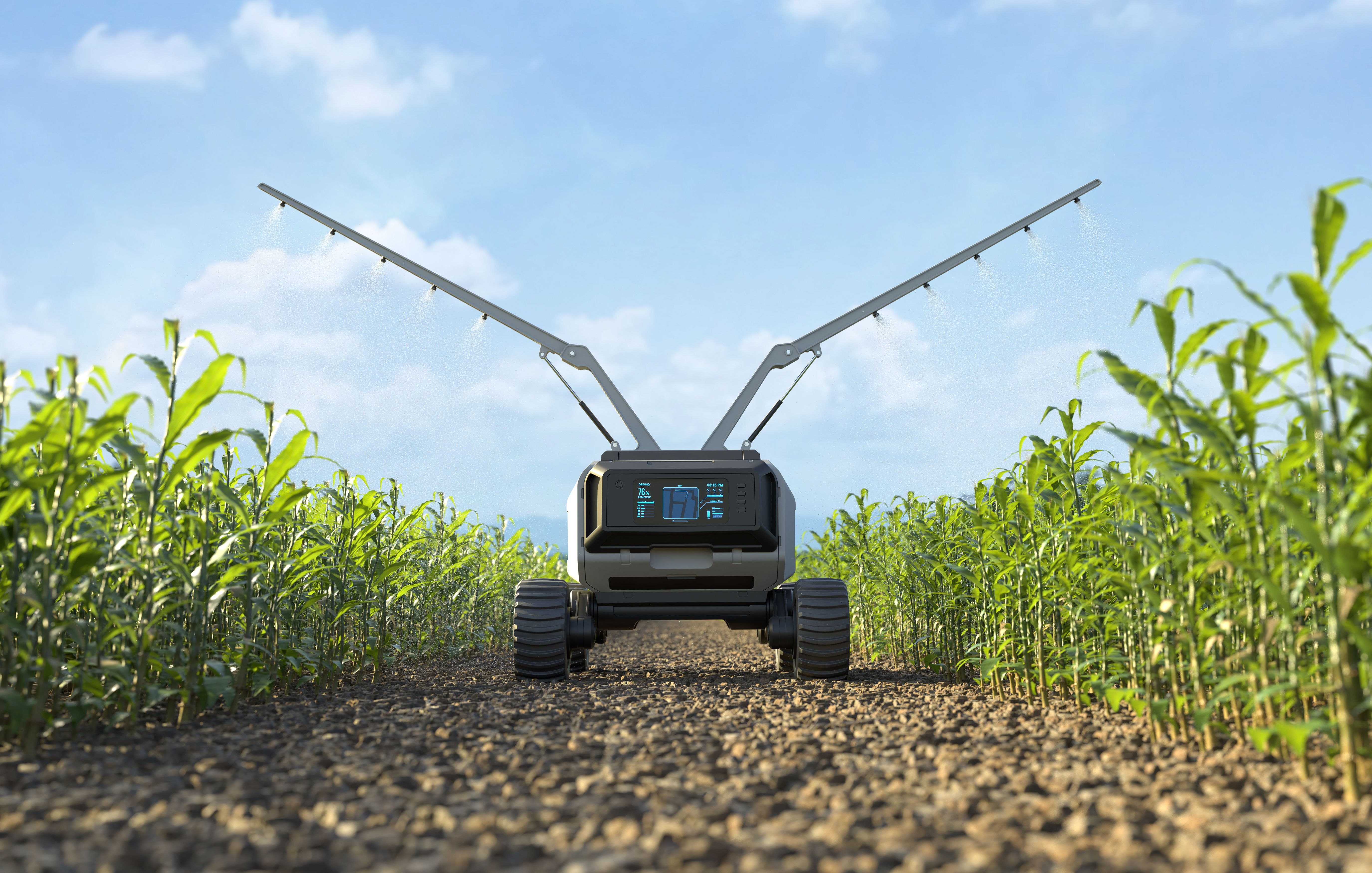
Before diving into robotic farming, it’s crucial to assess the specific needs of your farm. Consider the size of your farm, the types of crops you grow, and the particular challenges you face. This assessment will help you determine which robotic solutions are most suitable for your operations.
Identify key areas where automation can make a significant impact, such as planting, harvesting, or monitoring crop health. Understanding these needs will guide you in selecting the appropriate technology.
Choosing the Right Technology
Once you have a clear understanding of your needs, it's time to explore the available technology. Robotic solutions range from autonomous tractors to drones and automated irrigation systems. Research different options, keeping in mind the compatibility with your farm’s operations and budget.
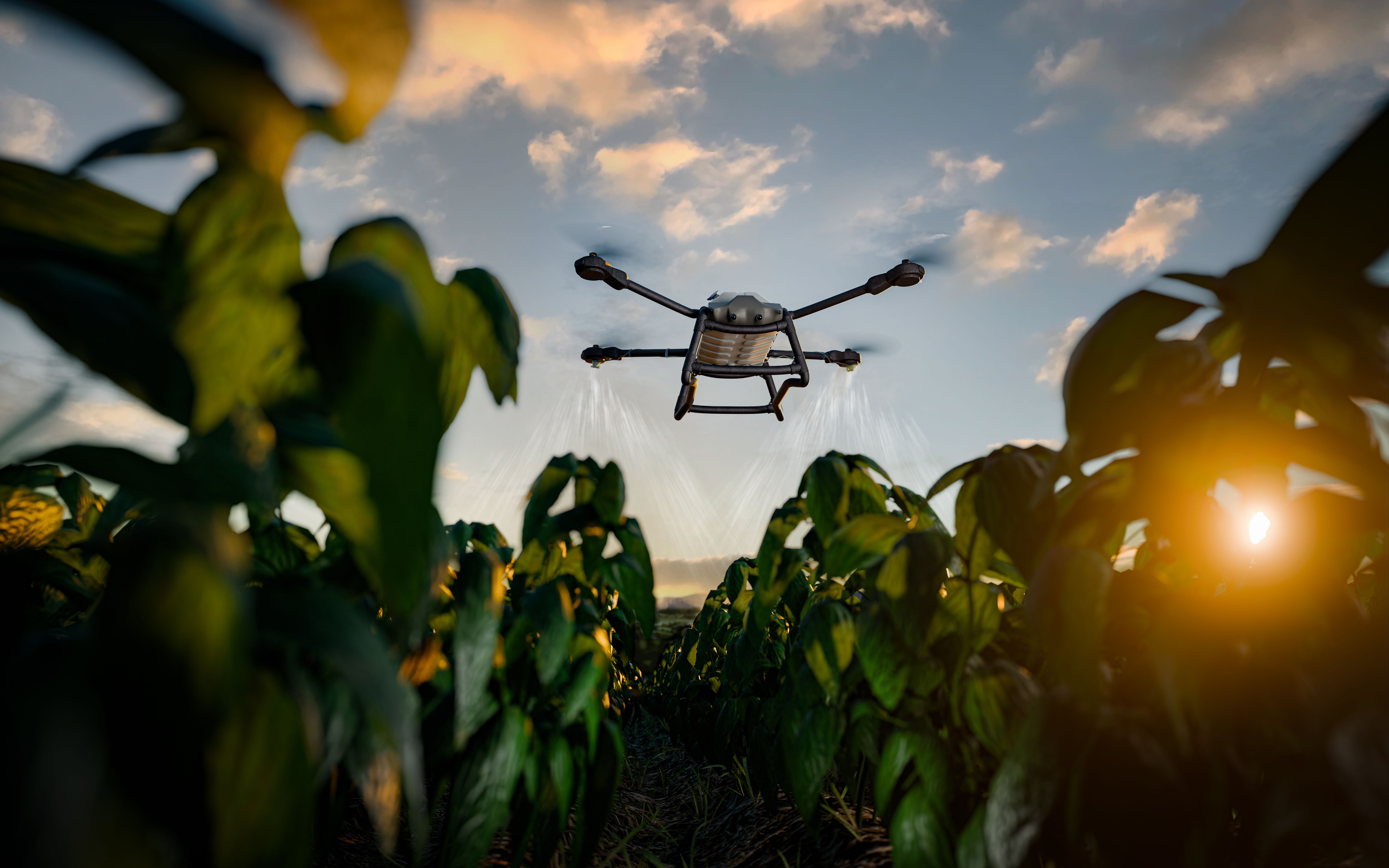
Consider the scalability of the technology. It’s essential to choose solutions that can grow with your farm, accommodating future expansion and technological advancements.
Planning and Training
Successful implementation requires thorough planning. Develop a detailed implementation plan that includes timelines, resource allocation, and contingency measures. Training your staff is equally important. Ensure they understand how to operate and maintain the new equipment effectively.
Offering comprehensive training sessions can help ease the transition and maximize the benefits of robotic farming solutions. This investment in education will pay off in the long run.
Integration and Testing
Integrating new technology into your existing systems can be challenging. Start with a pilot program to test the compatibility and effectiveness of the robotic solutions. Monitor performance and gather feedback to make necessary adjustments.
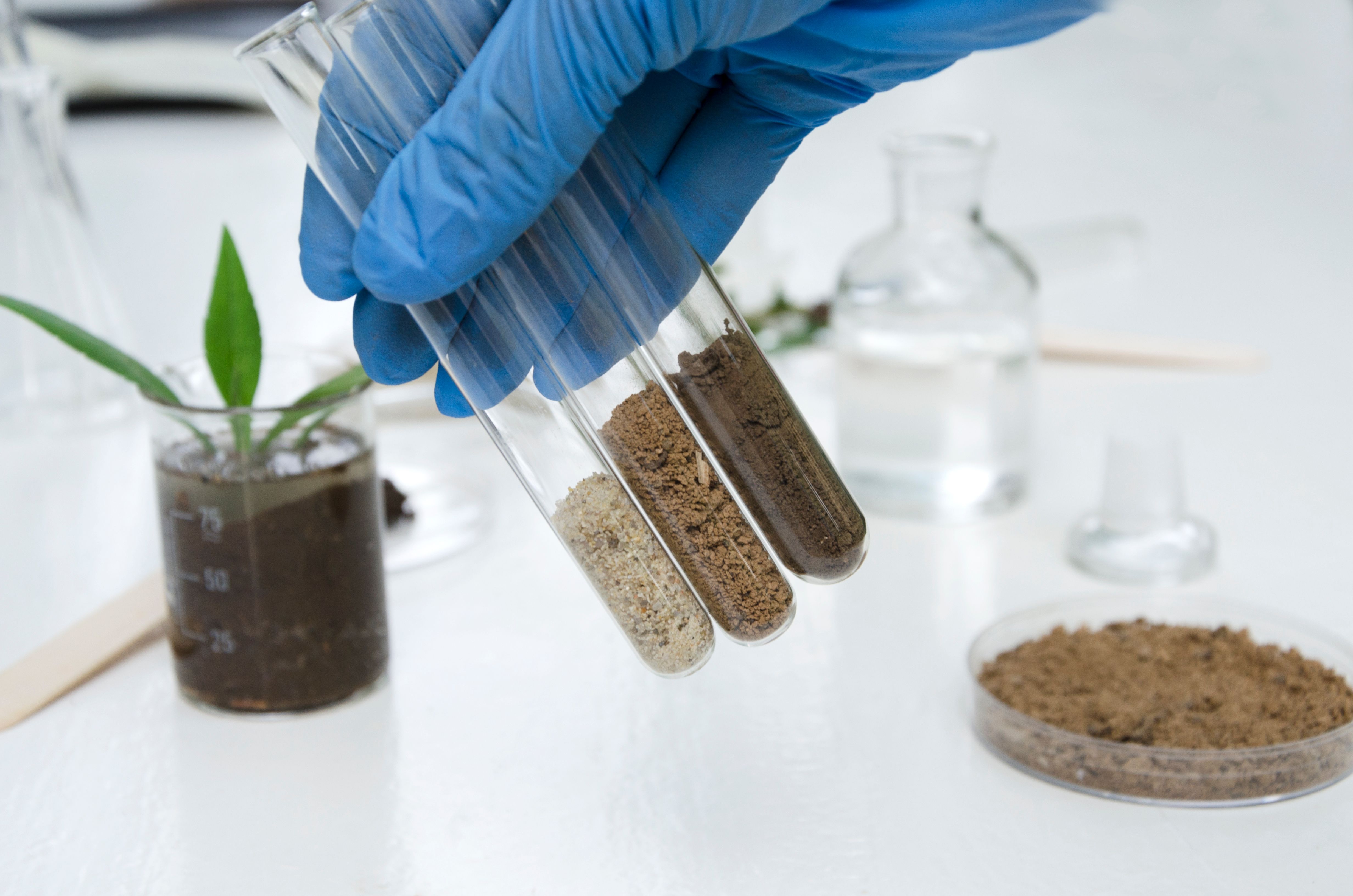
Regular testing and maintenance ensure that the technology operates at its peak efficiency. Address any issues promptly to avoid disruptions in your farming operations.
Evaluating and Scaling
After successful integration, continually evaluate the impact of robotic solutions on your farm. Analyze data to assess improvements in productivity and cost savings. This evaluation will help you make informed decisions about scaling up the technology.
Consider expanding the use of robotic solutions to other areas of your farm, based on the insights gained from the initial implementation. This step-by-step approach allows for sustainable growth and adaptation.
The Future of Farming
Robotic farming is not just a trend; it’s the future of agriculture. By embracing these technologies, farmers can enhance productivity, reduce environmental impact, and secure food supplies for future generations.
Stay informed about the latest advancements in robotic farming to keep your operations competitive and efficient. As the industry evolves, continuous adaptation and innovation will be key to thriving in this new era of agriculture.