How to Integrate Automated Farming Equipment into Your Existing Operations


Understanding Automated Farming Equipment
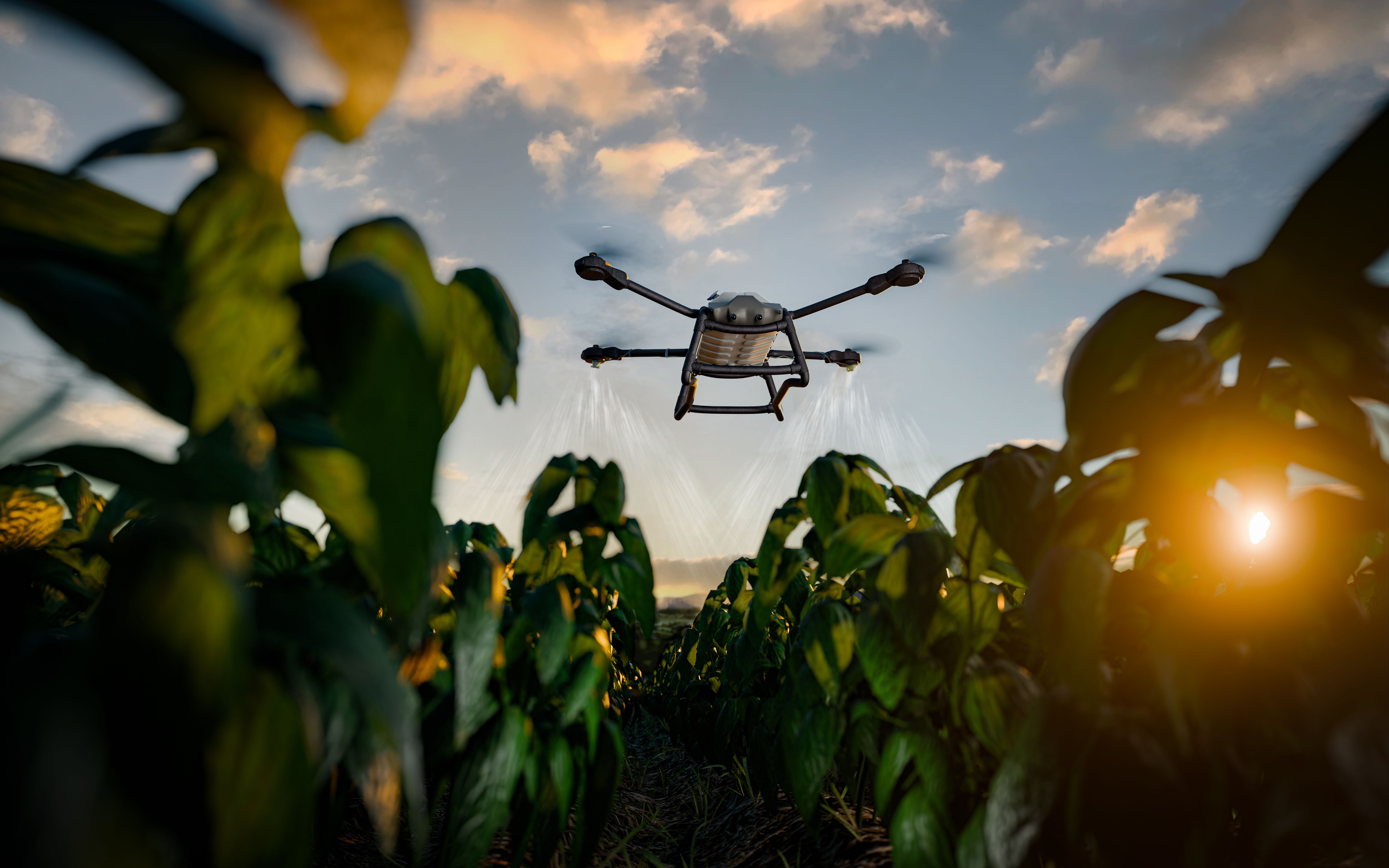
The integration of automated farming equipment into existing operations can revolutionize the way you manage your farm. By leveraging technology, you can increase efficiency, reduce labor costs, and enhance crop yield. Automated equipment ranges from self-driving tractors to robotic harvesters, each offering unique benefits to optimize your farming processes.
Before diving into integration, it's crucial to understand the types of automated equipment available and how they align with your farm's specific needs. Evaluate the size of your farm, the types of crops you grow, and the areas where automation can offer the most improvement.
Assessing Your Current Operations
Conduct a thorough assessment of your current operations to identify areas where automation can be most beneficial. This involves analyzing your present workflow, labor requirements, and resource allocation. Understanding these elements will help you choose the right equipment that complements your existing setup.
Consider conducting a cost-benefit analysis to weigh the initial investment against the potential long-term savings and productivity gains. This will provide a clearer picture of the financial implications and help you make informed decisions.
Choosing the Right Equipment
Selecting the right automated equipment is crucial for successful integration. Consider factors such as compatibility with your current machinery, ease of use, and the level of technical support available. Research different brands and models, and consult with other farmers or industry experts to gather insights.
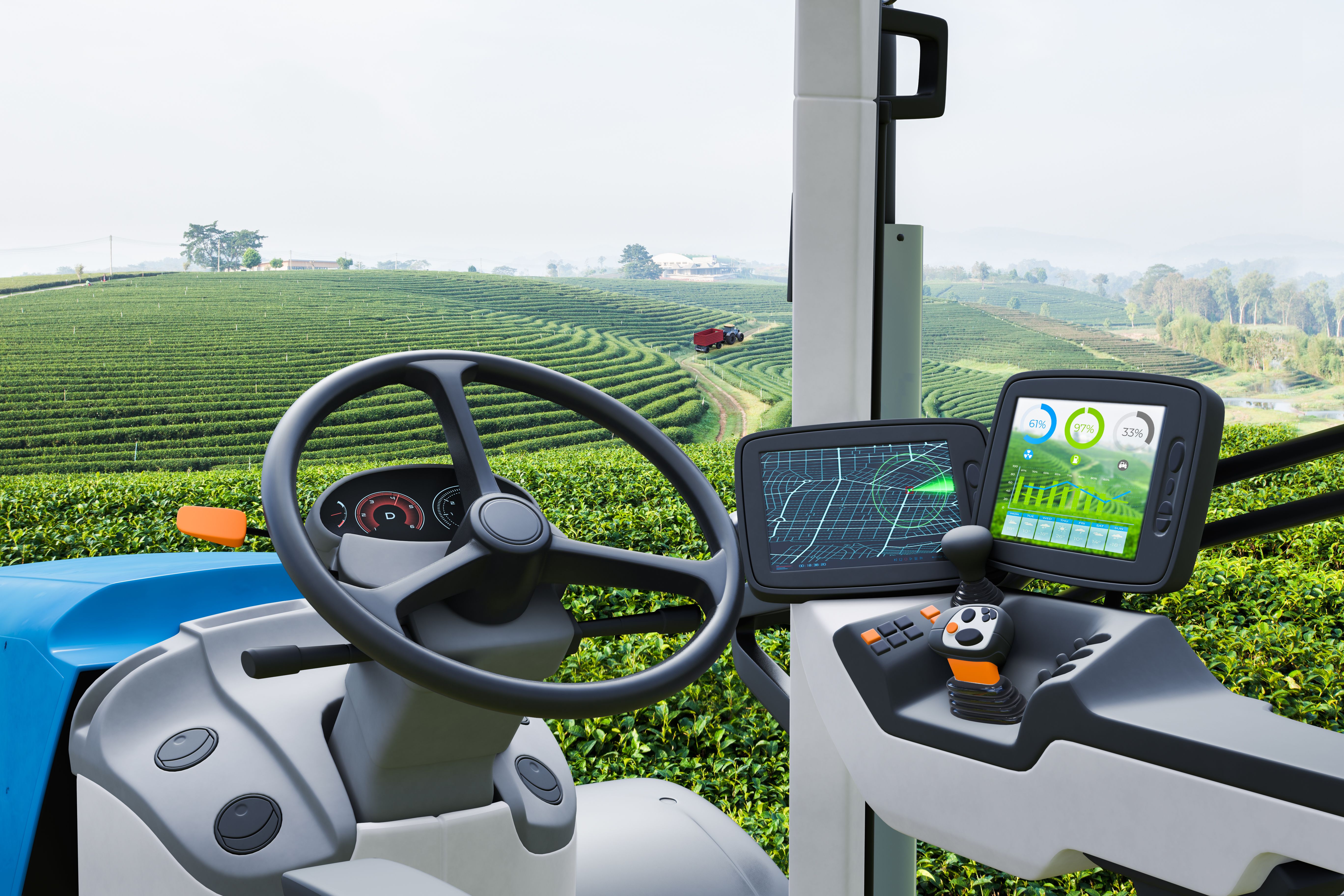
Opt for equipment that offers scalability, allowing you to expand your operations without additional significant investments. Look for features like GPS integration, remote monitoring, and data analytics capabilities that can enhance your farm management.
Implementing the Integration
Once you've chosen the appropriate equipment, plan the implementation process carefully. Start with a pilot program to test the new technology on a smaller scale, allowing you to identify potential issues and make adjustments before a full-scale rollout.
Ensure that your team is adequately trained to operate the new equipment. Investing in training programs can help ease the transition and maximize the benefits of automation. Encourage open communication within your team to address any concerns or feedback during the integration process.
Monitoring and Optimization
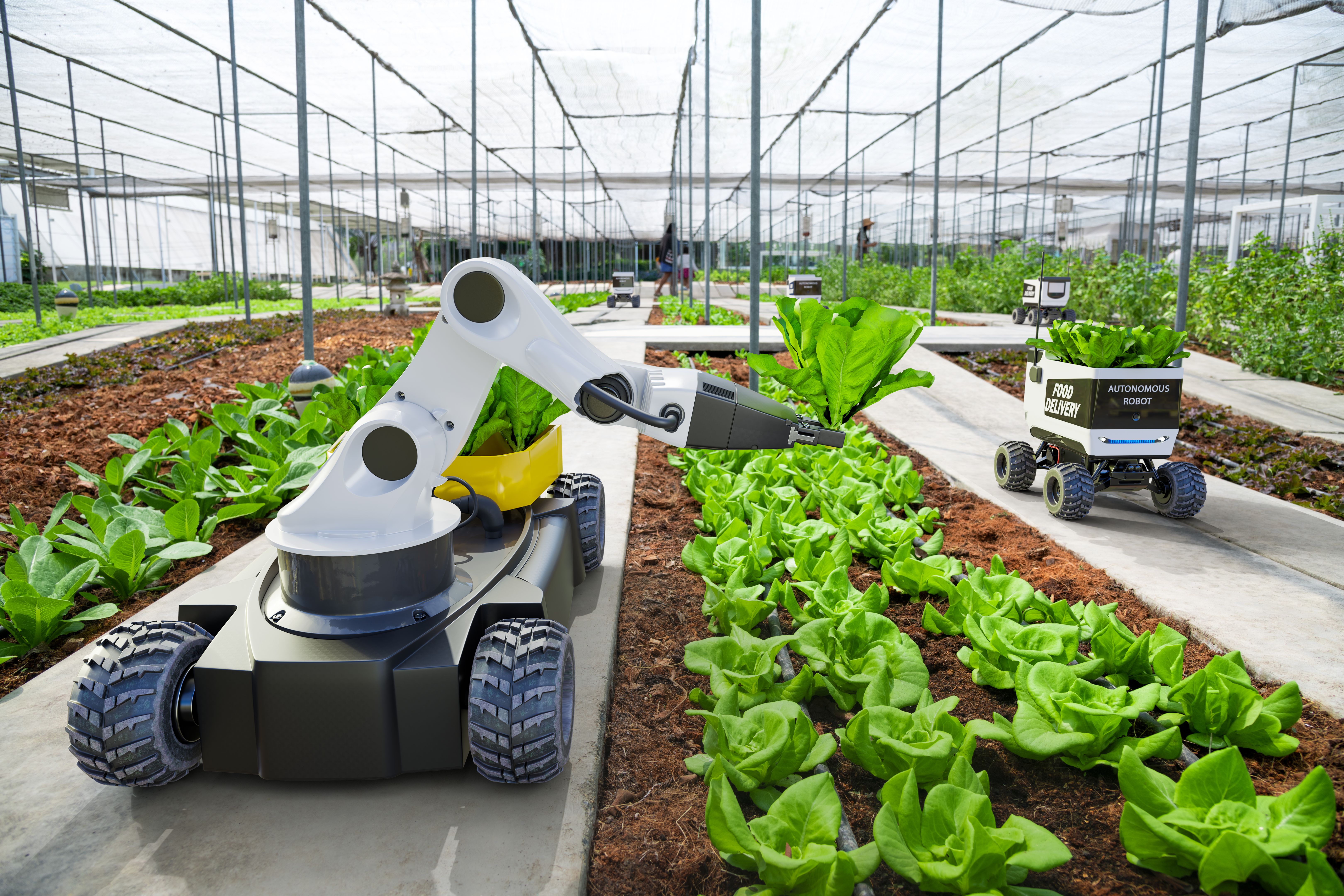
After integrating automated equipment, continuous monitoring is essential to ensure optimal performance. Utilize data analytics to track the efficiency and productivity of your operations, identifying areas for further improvement.
Regular maintenance and updates are crucial to keep the equipment running smoothly. Establish a routine maintenance schedule and stay informed about software updates or new features that could enhance your equipment's capabilities.
Embracing the Future of Farming
Integrating automated farming equipment is a significant step towards embracing the future of agriculture. By staying informed about the latest technological advancements and continuously optimizing your operations, you can ensure that your farm remains competitive and sustainable in the ever-evolving agricultural landscape.
Automation not only improves efficiency but also contributes to environmental sustainability by optimizing resource usage and reducing waste. As technology continues to evolve, so too will the opportunities for innovation in farming.