How to Prepare Your Farm for Seasonal Changes with Precision Farming


Understanding Precision Farming
As seasonal changes approach, farmers face the challenge of adapting their operations to maintain productivity. Precision farming offers a solution by using technology to optimize field-level management. This approach helps in making informed decisions based on data collected from various sources.
Precision farming involves using GPS, drones, and sensors to monitor and manage crops. This technology provides real-time insights into soil conditions, crop health, and weather patterns, allowing farmers to tailor their practices according to the specific needs of their land.
Assessing Your Farm's Needs
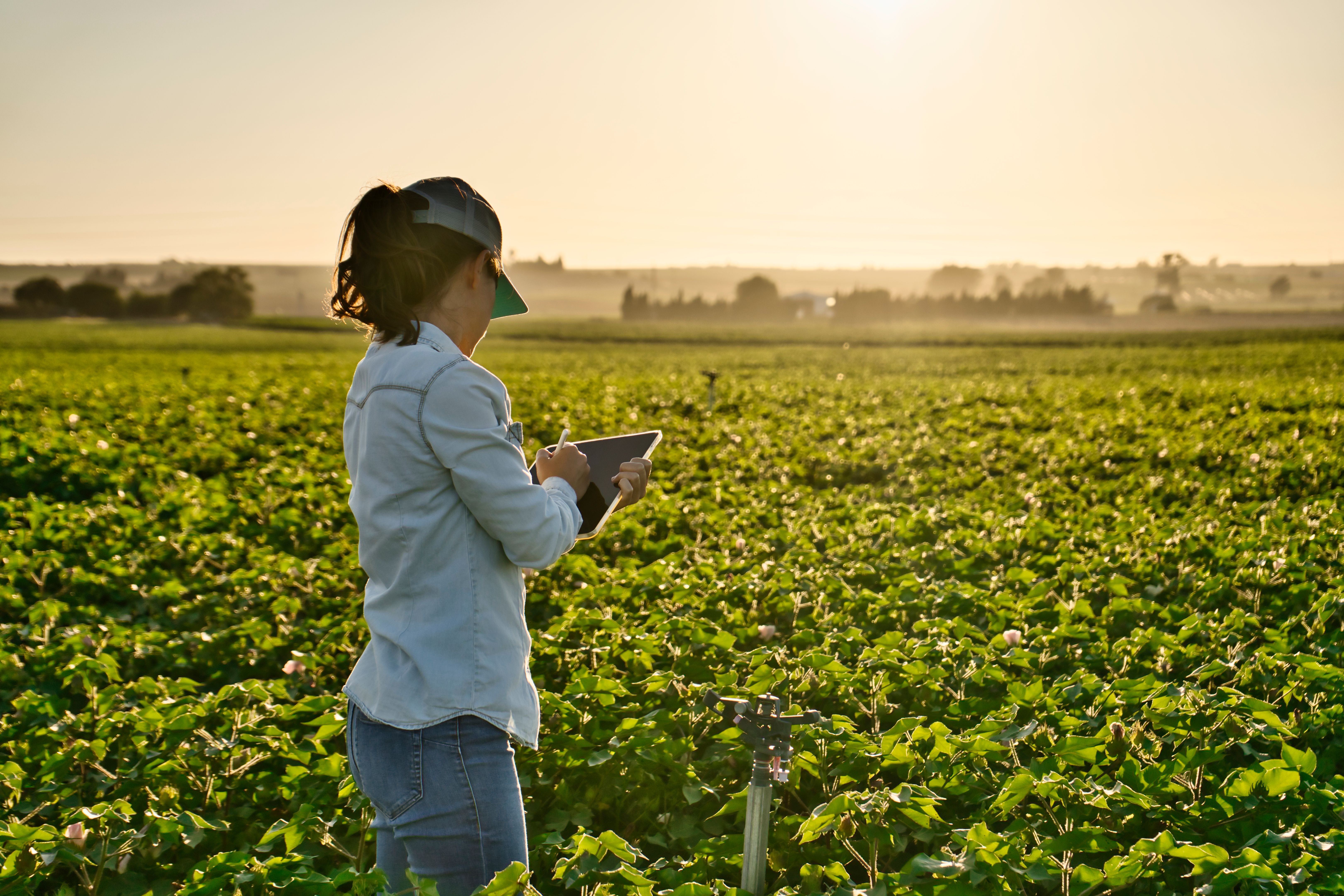
Before implementing precision farming techniques, it's crucial to assess your farm's specific needs. Consider factors such as soil type, crop variety, and climate conditions. This assessment will help in selecting the right tools and technologies to address your farm's unique challenges.
Conduct soil tests to determine nutrient levels and identify areas that may require attention. Evaluate your crop history and yield data to understand trends and patterns. This information will serve as a foundation for developing a customized precision farming plan.
Choosing the Right Technology
Once you've assessed your farm's needs, select the appropriate technology to support your precision farming efforts. Options include:
- GPS-guided systems: For accurate planting and harvesting.
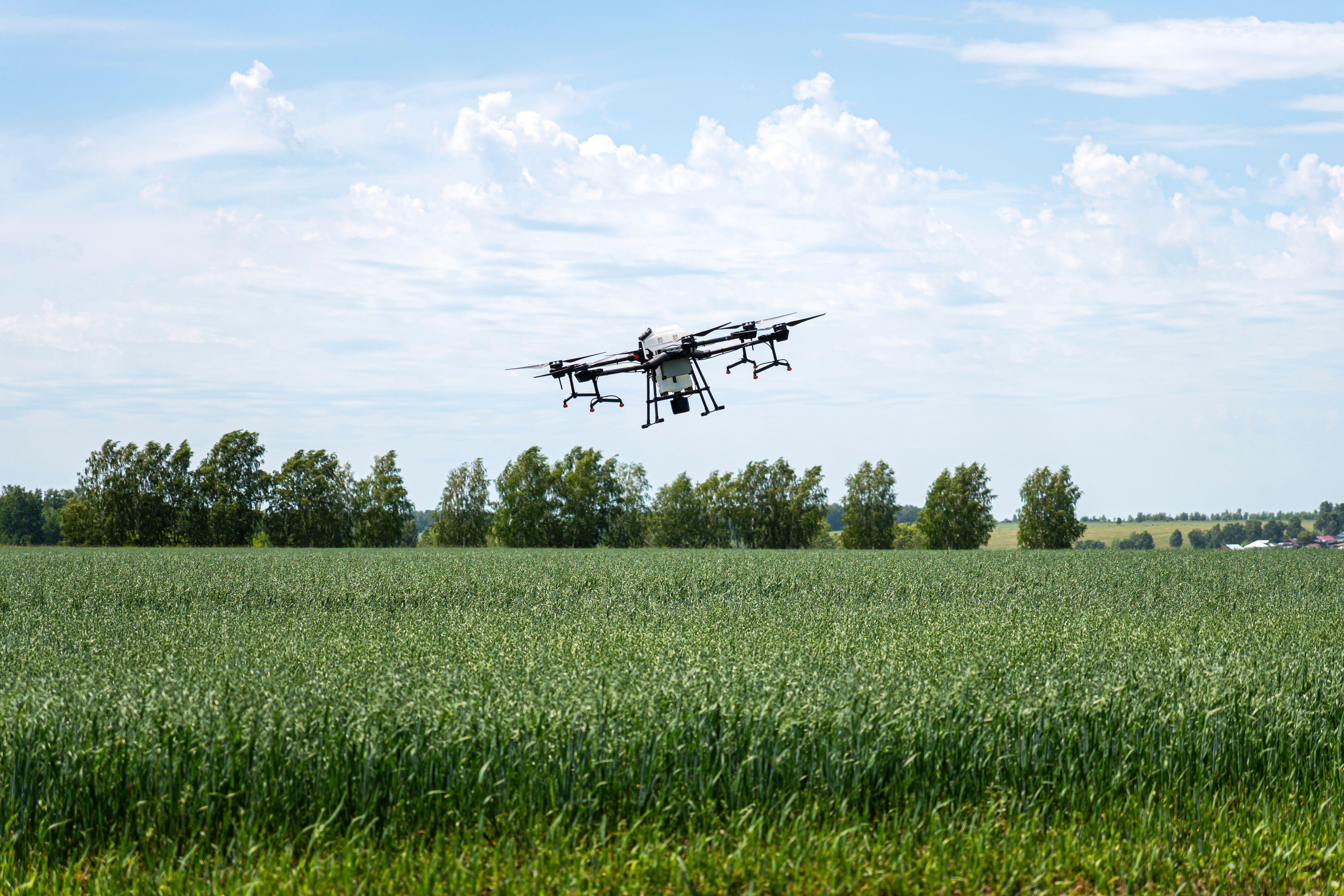
- Drones: For aerial imaging and crop monitoring.
- Soil sensors: To track moisture and nutrient levels.
- Weather stations: For precise weather data.
Implementing Precision Practices
With the right tools in place, begin implementing precision farming practices. Start by creating a detailed map of your farm, highlighting areas that require specific attention. Use this map to guide your planting, fertilization, and irrigation strategies.
Regularly monitor crop health using drones and sensors. This will allow you to detect issues early and take corrective action, minimizing the impact of pests or diseases. Adjust your irrigation and fertilization based on real-time data to optimize resource use and enhance crop yield.
Adapting to Seasonal Changes
Precision farming is particularly beneficial in adapting to seasonal changes. By analyzing historical weather data and current forecasts, you can anticipate challenges such as droughts or heavy rainfall. This foresight enables you to adjust your practices proactively, ensuring that your crops remain healthy throughout the season.
Evaluating and Adjusting Strategies
As you implement precision farming techniques, continually evaluate their effectiveness. Use data analytics to measure improvements in yield, resource efficiency, and overall farm performance. This ongoing assessment allows you to make necessary adjustments and refine your strategies for future seasons.
Consider seeking feedback from other farmers or agricultural experts to gain additional insights. Collaboration and knowledge sharing can enhance your understanding and application of precision farming technologies.
Looking Ahead
Preparing your farm for seasonal changes with precision farming is an investment in the future. As technology continues to evolve, new tools and techniques will emerge, offering even greater opportunities for efficiency and sustainability. Stay informed about industry advancements and be open to adopting new practices that align with your farm's goals.
By embracing precision farming, you can ensure your farm remains resilient and productive, regardless of the challenges each season may bring.