Maximizing Efficiency: Top Benefits of Farm Automation in Denver County


Introduction to Farm Automation
Farm automation is revolutionizing the agricultural landscape, especially in regions like Denver County. With modern technology, farmers can enhance productivity, reduce labor costs, and improve crop yields. The adoption of automation tools is not just a trend but a necessity for competitive farming.
Reduced Labor Costs
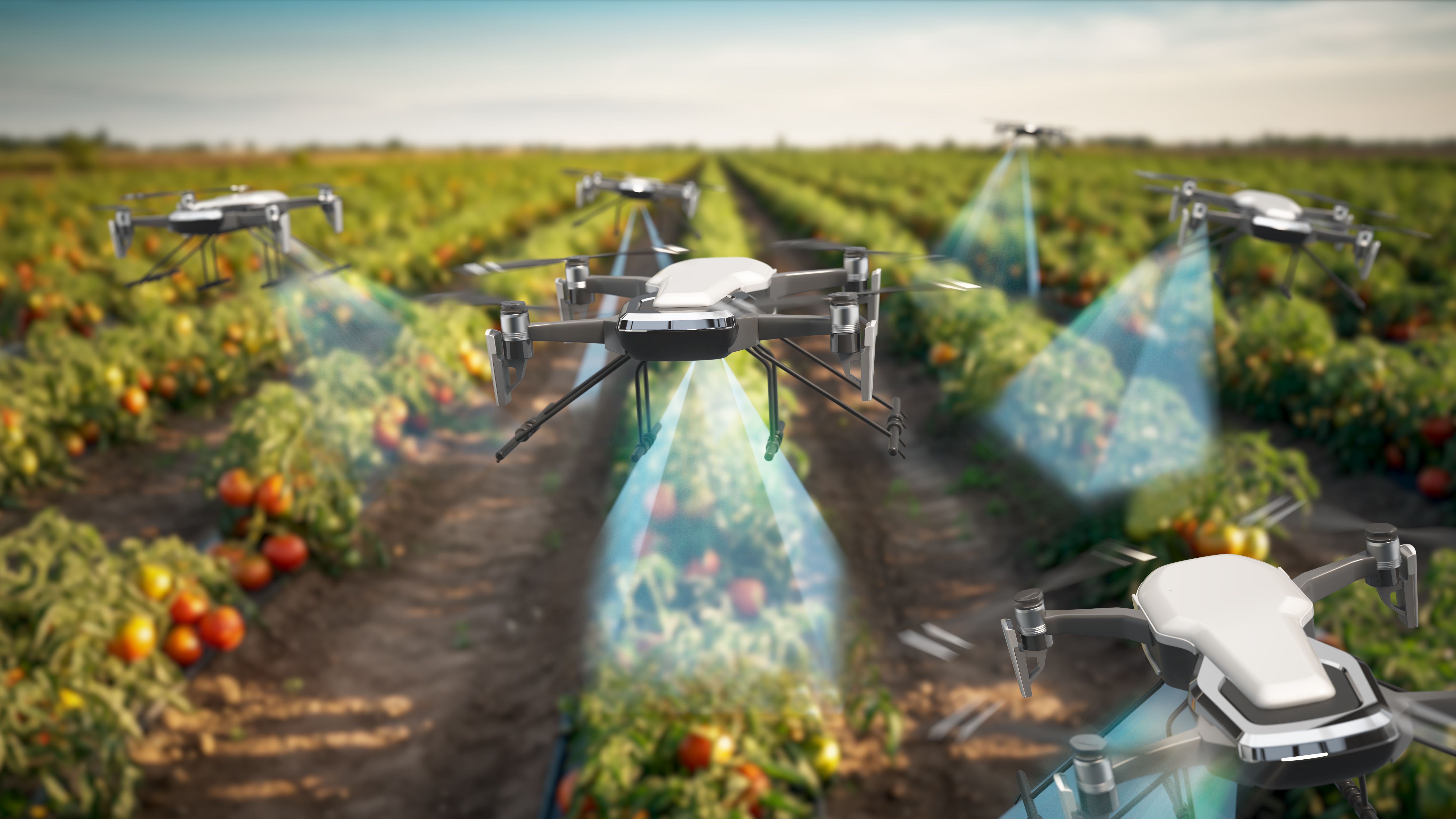
One of the primary benefits of farm automation is the significant reduction in labor costs. By automating repetitive tasks such as planting, watering, and harvesting, farmers can allocate their resources more efficiently. This not only saves money but also tackles the challenge of labor shortages often faced in agricultural sectors.
Advanced Machinery
Automated machinery like drones and robotic harvesters have become essential on modern farms. These tools enable farmers to monitor large fields and manage them with precision, ensuring that every inch of land is utilized optimally. This precision farming leads to improved crop yields and better resource management.
Improved Crop Monitoring
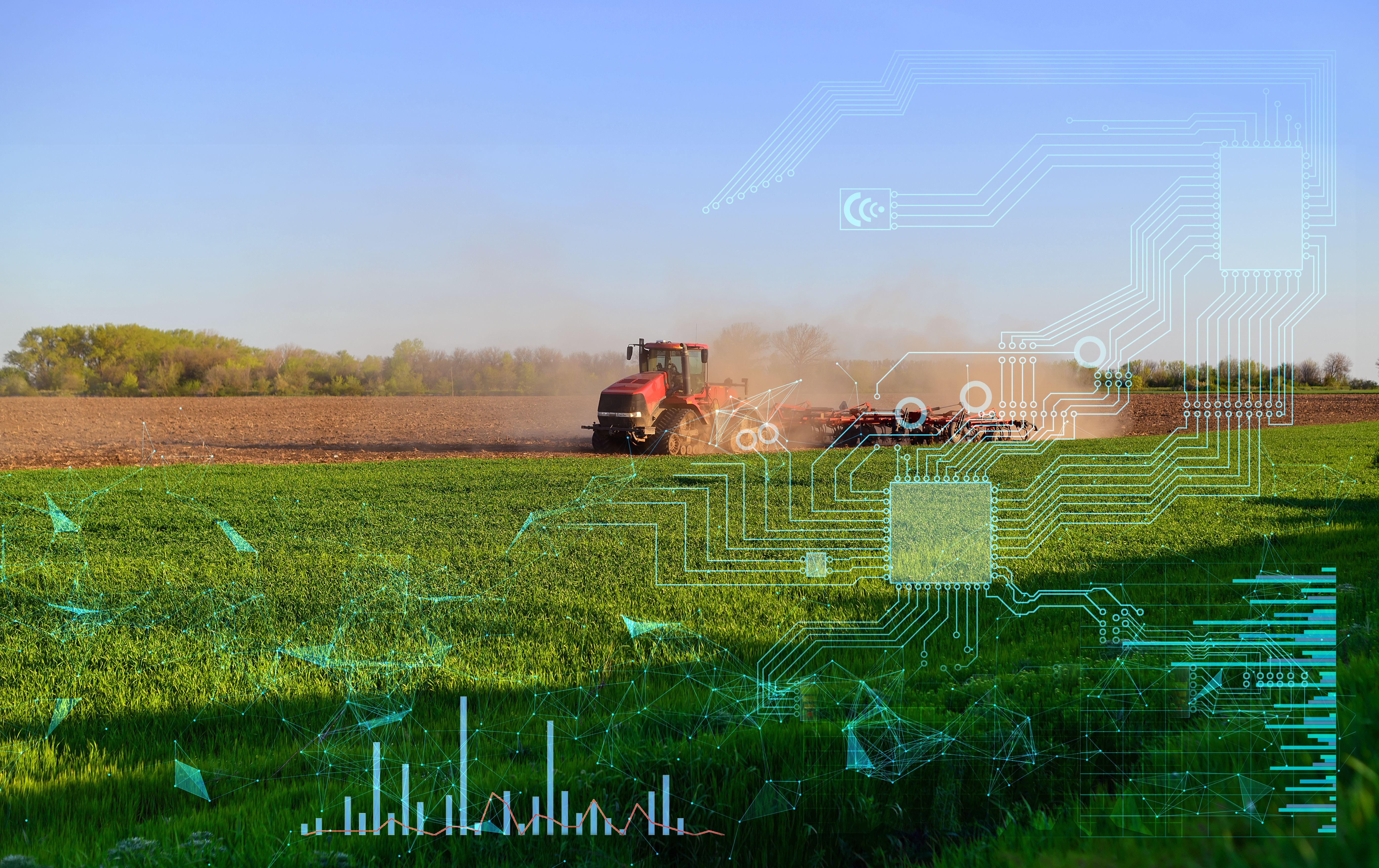
With the help of automation, real-time monitoring of crops is now possible. Sensors and drones can provide data on soil health, moisture levels, and crop conditions. This technology allows farmers to make informed decisions, ensuring that crops receive the right amount of water and nutrients.
Data-Driven Insights
Farmers can leverage data analytics to predict potential issues and address them proactively. This predictive capability helps in minimizing crop loss and optimizing harvest times, leading to increased profitability.
Environmental Sustainability
Automation in farming also supports environmental sustainability. By using precise amounts of water, fertilizers, and pesticides, farmers can reduce waste and minimize their environmental impact. This approach not only conserves resources but also promotes healthier ecosystems.
Energy Efficiency
Modern automated systems are designed to be energy-efficient. They utilize renewable energy sources and optimize energy consumption, further contributing to sustainable farming practices. This efficiency is crucial for reducing the carbon footprint of agricultural operations.
Conclusion
Farm automation is a game-changer for agriculture in Denver County. By embracing technology, farmers can maximize efficiency, reduce costs, and promote sustainability. As more innovations emerge, the future of farming looks promising, with the potential to feed growing populations while preserving the planet.