Myth-Busting: Common Misconceptions About Agricultural Robotics


The Rise of Agricultural Robotics
In recent years, agricultural robotics has seen significant advancements, yet several misconceptions persist. These myths can cloud judgment and obscure the true potential of these technologies. In this post, we'll debunk some common misunderstandings surrounding agricultural robotics.
One prevailing myth is that agricultural robots are a recent innovation. In reality, the journey began decades ago, with early experiments in mechanizing farm tasks. Today, these technologies have evolved to include sophisticated systems for planting, harvesting, and monitoring crops.
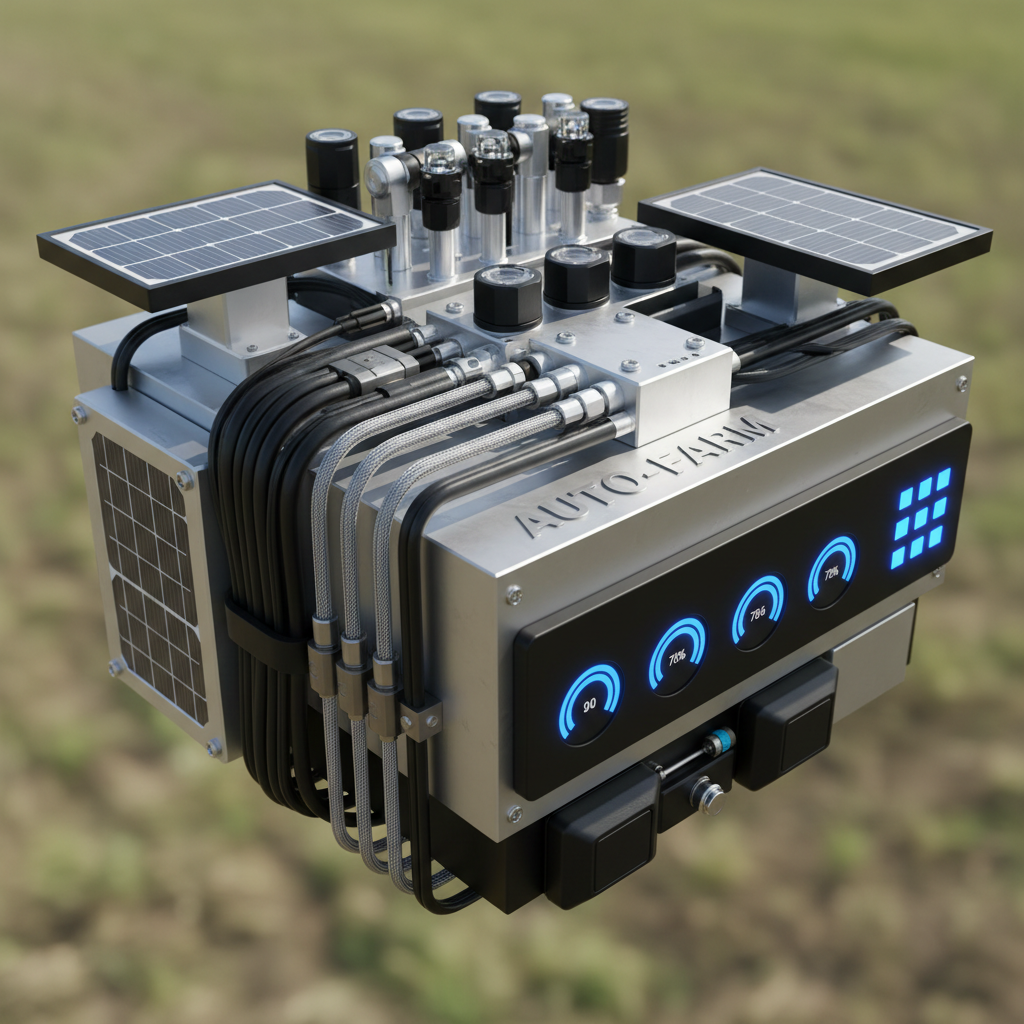
Myth: Robots Replace Human Labor
A common fear is that robots will replace human jobs. While it's true that robots can perform repetitive tasks, their role is more about enhancing productivity than replacing workers. By taking over labor-intensive duties, robots allow farmers to focus on more strategic aspects of farming.
Moreover, the integration of robotics in agriculture creates new opportunities. For instance, there is a growing demand for skilled technicians and engineers to develop and maintain these machines, leading to a shift rather than a loss in job opportunities.
Myth: Agricultural Robotics Are Only for Large Farms
Another misconception is that only large-scale farms can benefit from agricultural robotics. While larger farms may have more resources to invest in technology, smaller farms are also reaping the benefits. Robotics can help small farmers optimize their operations, reduce waste, and improve yields.

Technological advancements are making robots more affordable and adaptable, allowing farms of all sizes to implement them. The key is to choose the right technology that fits the farm's specific needs and scale.
Myth: Robotics Are Too Expensive
Cost is often cited as a barrier to adopting agricultural robotics. While the initial investment can be significant, the long-term savings and increased efficiency often offset this. Robots can reduce labor costs, minimize errors, and maximize crop yields over time.
Furthermore, many governments and organizations offer grants and subsidies to support farmers in adopting these technologies, helping to mitigate the financial burden and encourage innovation in the sector.

The Future of Agricultural Robotics
The landscape of agricultural robotics is constantly evolving, with new technologies emerging to tackle challenges like climate change and food security. By dispelling myths and embracing innovation, the agricultural sector can leverage robotics to create a more sustainable and efficient future.
As awareness grows and barriers diminish, the adoption of agricultural robotics is likely to accelerate, transforming how we cultivate and harvest food. Understanding the realities behind these technologies will be crucial for anyone involved in agriculture today.