Navigating Colorado's Regulations for Farm Automation Technologies


Understanding Colorado's Regulatory Landscape
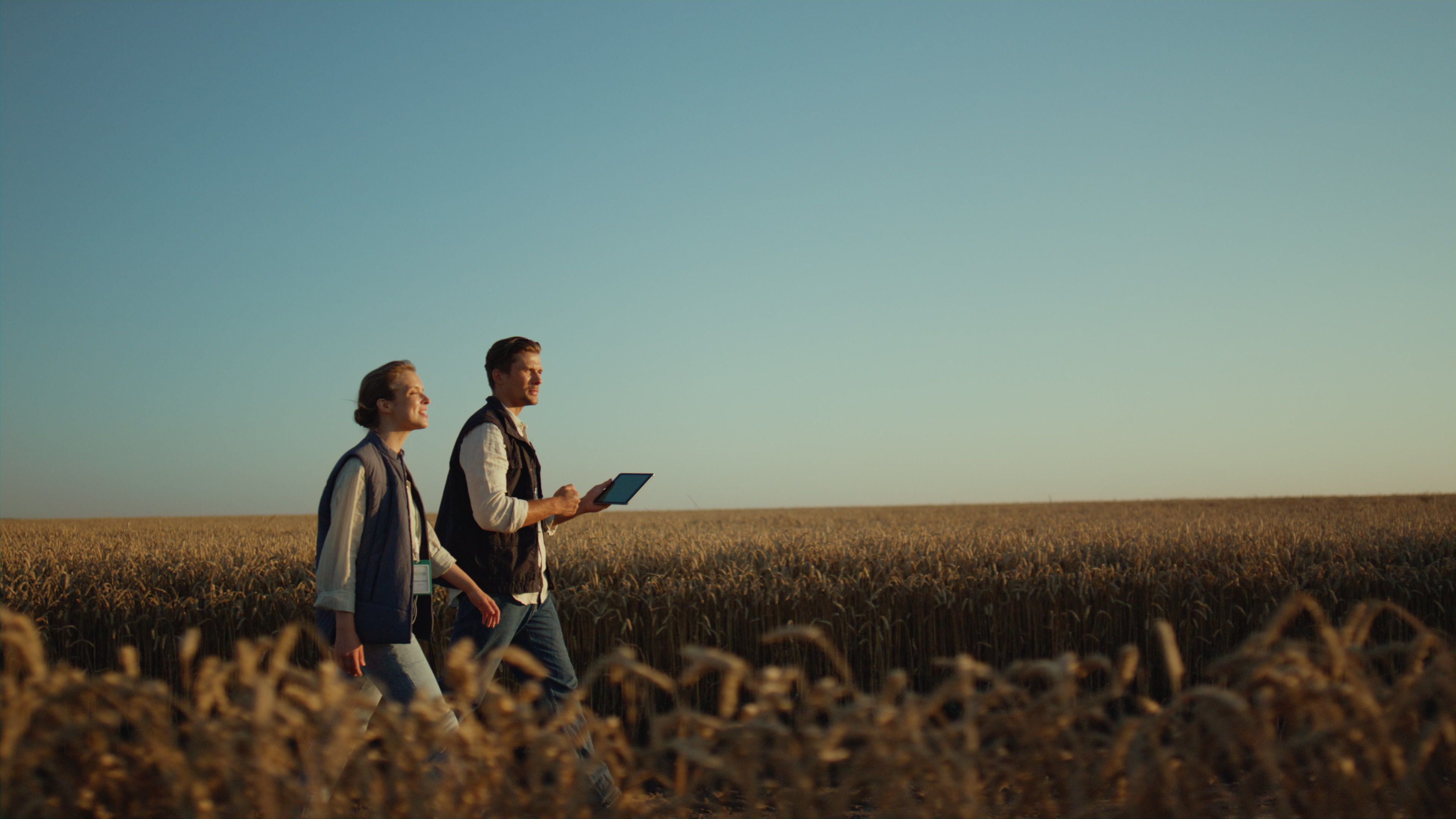
As farm automation technologies continue to revolutionize agriculture, navigating the regulatory landscape becomes crucial for farmers in Colorado. With advancements like drones, automated tractors, and smart irrigation systems, farmers can enhance productivity and sustainability. However, understanding state-specific regulations is essential to ensure compliance and leverage these technologies effectively.
In Colorado, agricultural operations must adhere to a mix of state and federal regulations. These laws are designed to ensure safety, environmental protection, and fair competition. Understanding these regulations can help farmers make informed decisions when implementing new technologies.
Key Regulations for Drones
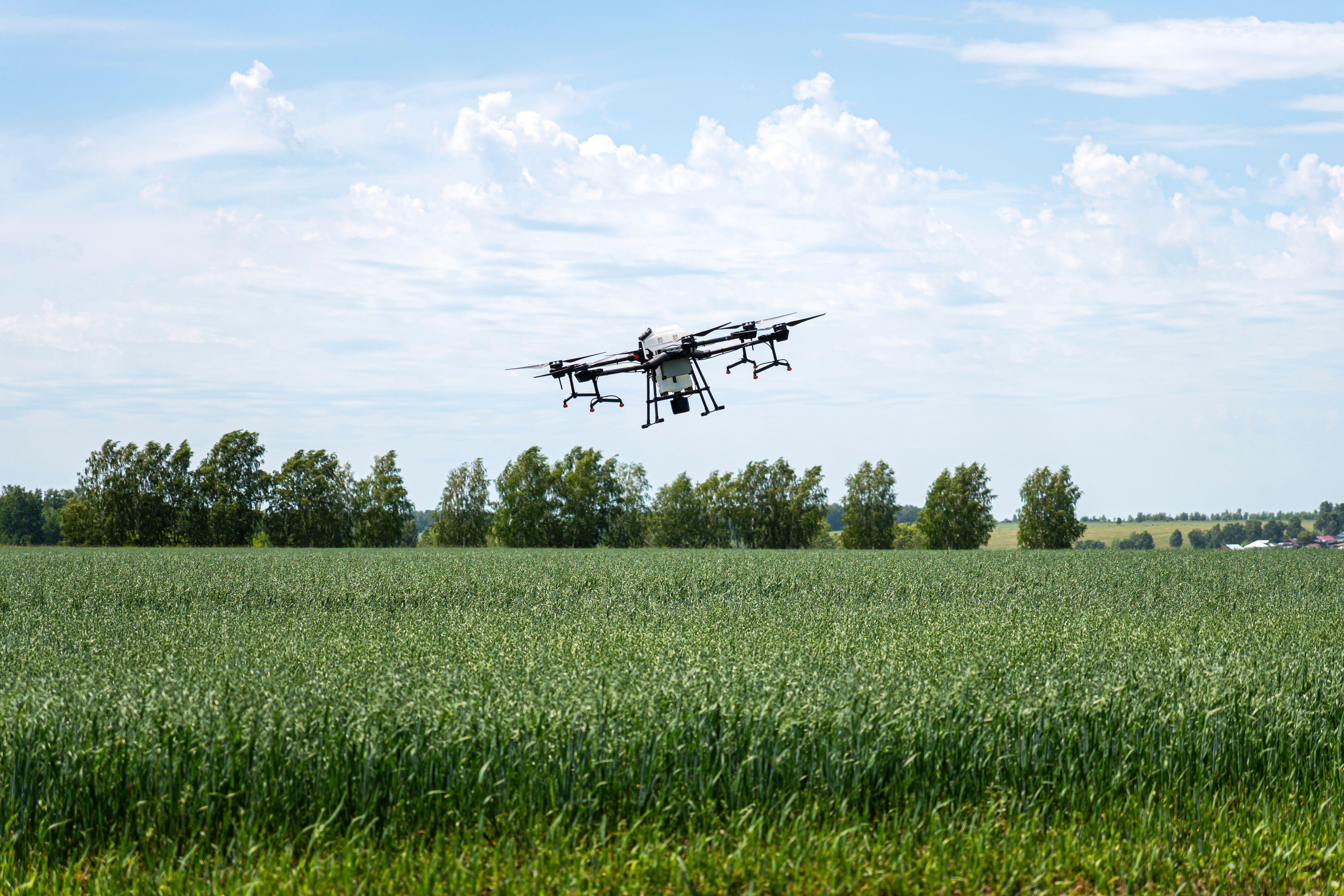
Drones are increasingly used for tasks like crop monitoring and precision agriculture. In Colorado, drone usage is subject to both Federal Aviation Administration (FAA) regulations and state laws. Farmers must ensure that their drones are registered with the FAA and operated by licensed pilots.
The state also imposes restrictions on drone flight paths to protect wildlife and privacy. Farmers should familiarize themselves with these guidelines to avoid potential fines and legal issues. Consulting with a legal expert can provide clarity on specific restrictions applicable to their operations.
FAA Compliance
To operate drones legally, farmers must comply with FAA rules, which include operating below 400 feet and maintaining a visual line of sight. These regulations are crucial for ensuring safety and minimizing risks associated with drone usage in agricultural settings.
Smart Irrigation and Water Rights
Colorado’s semi-arid climate makes smart irrigation technologies essential for efficient water usage. However, water rights in Colorado are complex. Farmers need to be aware of how their water usage aligns with state regulations to prevent disputes and penalties.
Smart irrigation systems can help optimize water use by providing accurate data on soil moisture and weather conditions. Farmers must ensure that these systems are calibrated to comply with water rights and usage regulations to avoid overuse and legal challenges.
Environmental Compliance
Implementing farm automation technologies must also consider environmental regulations. This includes ensuring that automated systems do not negatively impact local ecosystems. Farmers should conduct environmental assessments when deploying new technologies to ensure compliance with state environmental laws.

Automated Tractors and Safety Regulations
Automated tractors and machinery offer significant benefits in terms of efficiency and labor savings. However, they must meet specific safety standards. In Colorado, these machines are subject to Occupational Safety and Health Administration (OSHA) guidelines.
Farmers should ensure that any automated equipment is regularly inspected and maintained. Proper training for operators and adherence to safety protocols are vital to prevent accidents and ensure workplace safety.
Training and Certification
Providing adequate training for employees handling automated machinery is essential. Certification programs can help ensure that workers are knowledgeable about operating procedures and safety measures, reducing the risk of mishaps and ensuring compliance with state regulations.
By understanding and navigating Colorado's regulations for farm automation technologies, farmers can effectively implement innovative solutions while remaining compliant. This not only enhances productivity but also ensures sustainable and responsible farming practices in the state.