Precision Agriculture Technology: Transforming Denver's Farmland


Denver’s agricultural landscape is undergoing a significant transformation, driven by the integration of precision agriculture technology. This revolutionary approach harnesses data and technology to enhance farming efficiency and sustainability, offering promising solutions to the challenges faced by modern farmers.

Understanding Precision Agriculture
Precision agriculture refers to the use of advanced technologies to monitor and manage field variability in crops. By employing tools such as GPS, sensors, and drones, farmers can gather detailed data about their fields, enabling them to make informed decisions on planting, watering, and harvesting.
The goal of precision agriculture is to optimize the use of resources, increase productivity, and reduce environmental impact. This technology ensures that every inch of farmland is used to its maximum potential, enhancing both yield and quality.
The Role of Data in Modern Farming
Data is at the heart of precision agriculture. Farmers in Denver are leveraging data analytics to gain insights into soil health, weather patterns, and crop performance. By analyzing this data, they can tailor their farming practices to suit specific conditions, ensuring optimal growth and sustainability.

Moreover, this data-driven approach allows for real-time monitoring and adjustments, ensuring that crops receive the right amount of water, nutrients, and protection against pests.
Technological Innovations in Denver's Farmland
Denver's farmers are increasingly adopting innovative technologies such as automated machinery, satellite imagery, and drone surveillance. These tools are transforming traditional farming methods, making them more efficient and less labor-intensive.
For instance, drones equipped with multispectral cameras can survey large areas quickly, providing detailed images of crop health. This enables farmers to detect issues early and take corrective measures promptly.
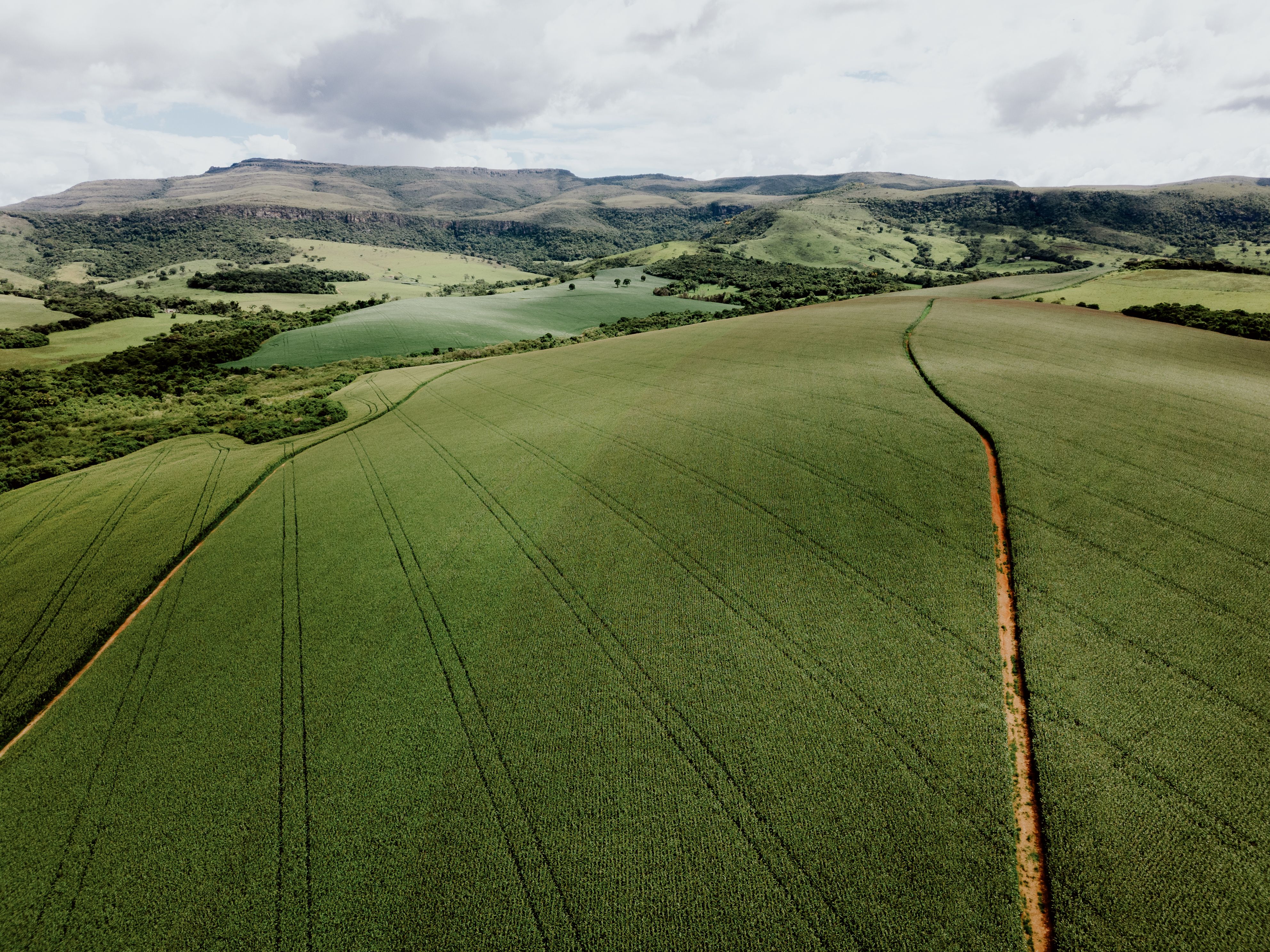
Environmental and Economic Benefits
The adoption of precision agriculture not only boosts productivity but also offers significant environmental benefits. By minimizing the overuse of water and fertilizers, farmers can reduce runoff and lower their carbon footprint.
- Improved resource management
- Reduced waste and environmental impact
- Enhanced crop quality and yield
Economically, precision farming can lead to substantial cost savings. By applying inputs more efficiently, farmers can lower operational costs and increase their profitability.
Challenges and Future Prospects
Despite its benefits, precision agriculture faces challenges, including high initial costs and the need for technical expertise. However, as technology becomes more accessible and affordable, more farmers are likely to adopt these practices.
Looking ahead, the future of Denver's farmland appears promising. Continued advancements in technology and data analytics are expected to drive further improvements in agricultural productivity and sustainability.
As precision agriculture continues to evolve, it holds the potential to revolutionize farming not just in Denver, but globally, paving the way for a more sustainable and efficient agricultural industry.