Preparing for Seasonal Changes: How Precision Agriculture Technology Can Help


Understanding Seasonal Changes in Agriculture
Farmers have always faced the challenge of adapting to seasonal changes. These variations can significantly impact crop growth, yield quality, and overall farm productivity. As seasons shift, farmers must adjust their strategies to ensure optimal crop health. Fortunately, advancements in precision agriculture technology offer valuable tools to navigate these challenges.
Precision agriculture involves the use of technology to monitor and manage field variability in crops. By employing data-driven insights, farmers can make informed decisions that enhance efficiency and productivity. Let's explore how this technology can help during seasonal transitions.
Utilizing Data for Better Decision Making
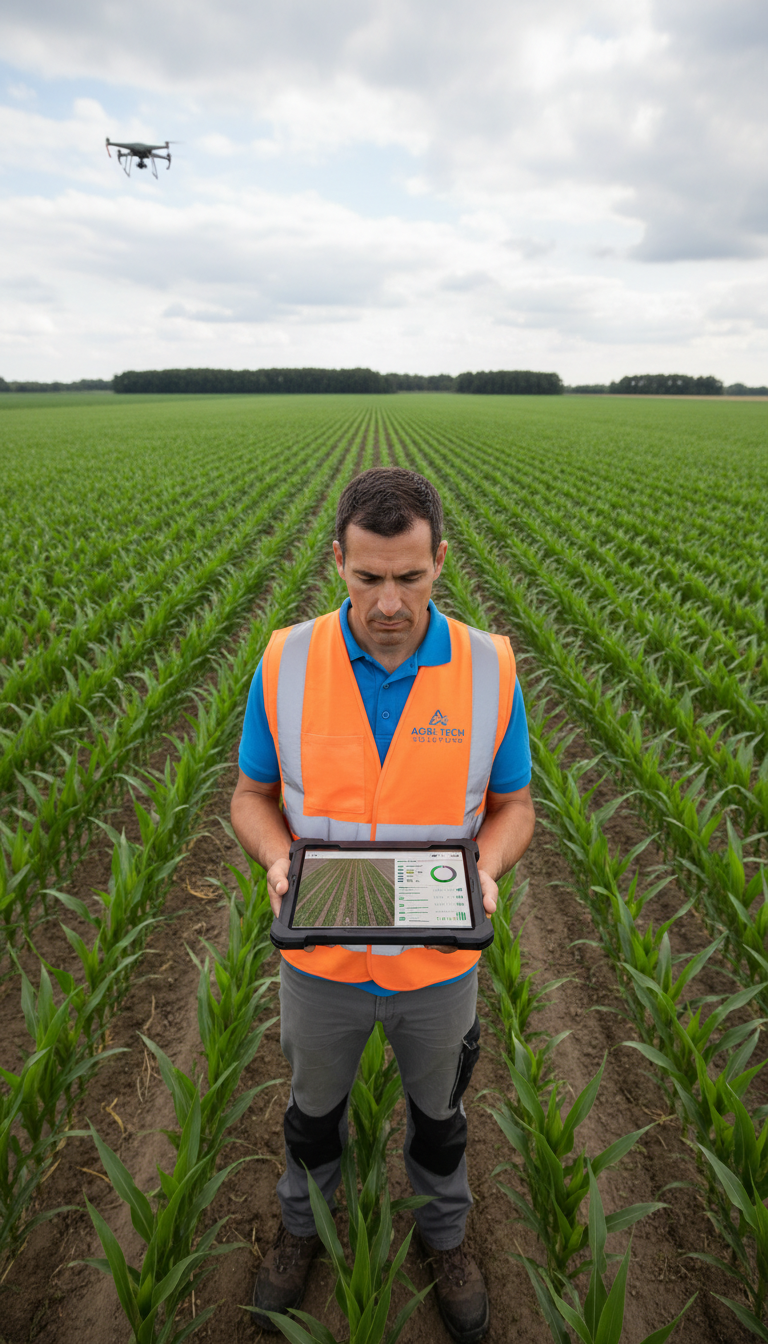
One of the key benefits of precision agriculture is the ability to collect and analyze data. Sensors, GPS, and GIS technologies provide real-time information on weather conditions, soil health, and crop status. With this data, farmers can adjust their planting and harvesting schedules according to the specific needs of their crops.
Data-driven insights allow for customized farming strategies that optimize water usage, fertilizer application, and pest control. This level of precision ensures that resources are used efficiently, reducing waste and costs while maximizing yield.
Adapting to Weather Variability
Seasonal weather changes can be unpredictable, but precision agriculture tools help mitigate risks associated with these fluctuations. By using weather forecasting models, farmers can anticipate adverse conditions such as droughts or heavy rainfall and take preventive measures.
Improving Soil Health and Nutrient Management
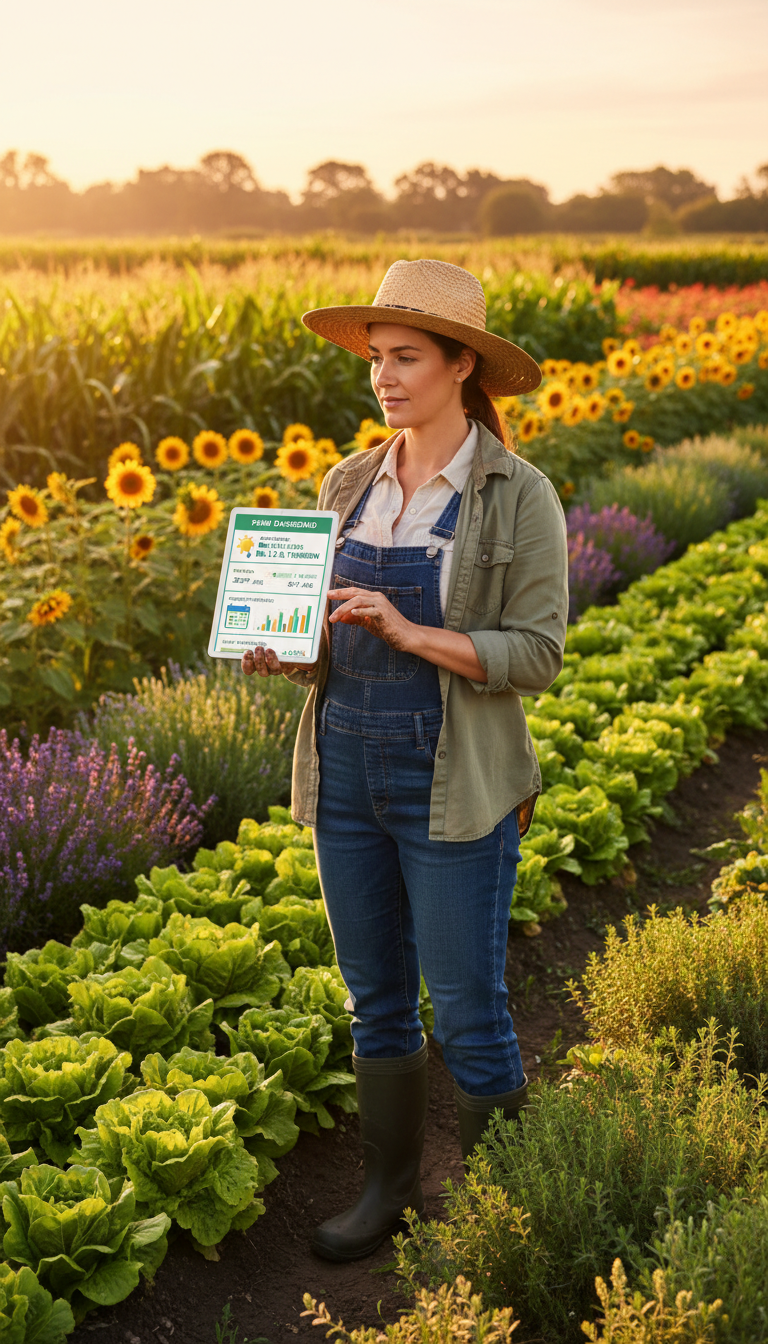
Soil health is crucial for sustainable farming, and seasonal changes can affect nutrient availability. Precision agriculture technologies, such as soil sensors, allow farmers to monitor nutrient levels and soil moisture in real-time. This information guides farmers in applying the right amount of fertilizers, ensuring that crops receive the nutrients they need without over-application.
By maintaining optimal soil conditions, farmers can enhance crop resilience against seasonal stresses, promoting healthier growth and higher yields.
Efficient Water Management
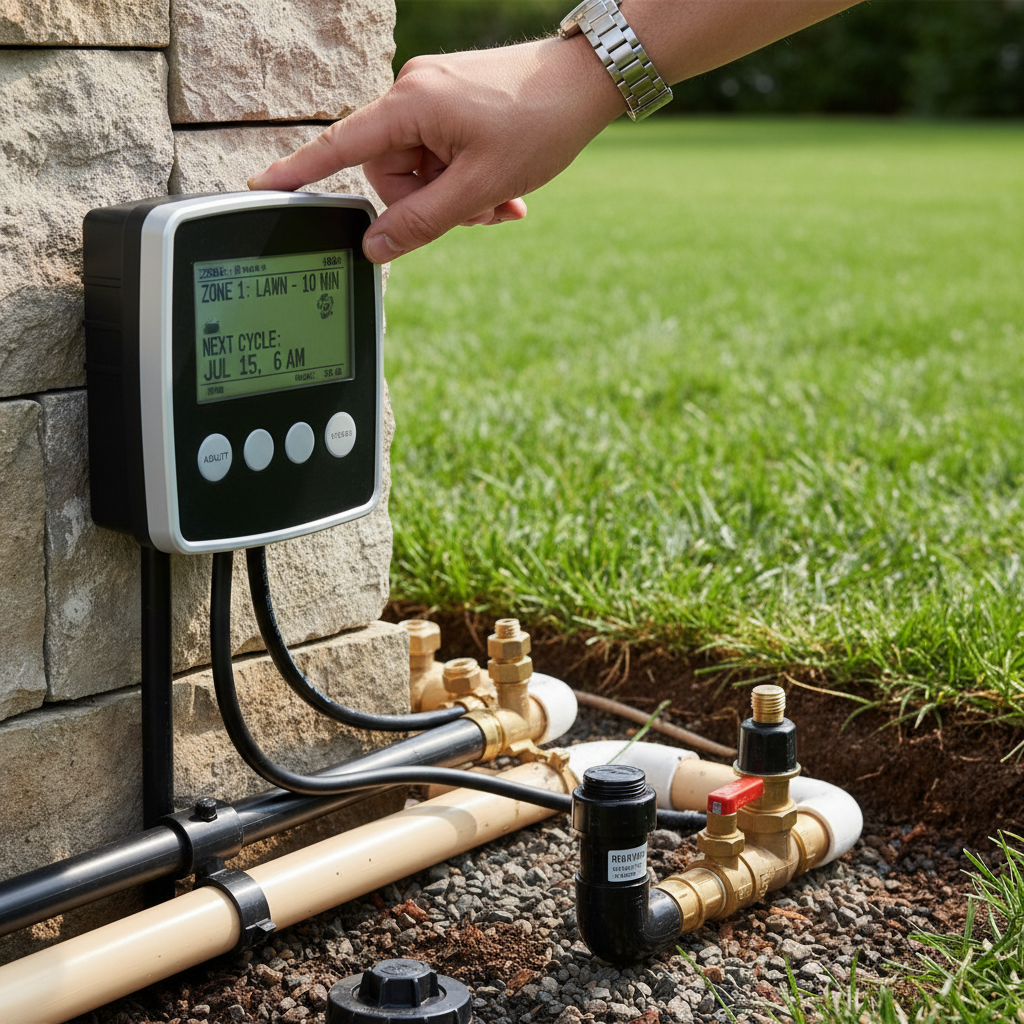
Water management is another critical aspect of adjusting to seasonal changes. Precision irrigation systems, such as drip or sprinkler methods, can be fine-tuned based on soil moisture data. These systems ensure that crops receive adequate water, minimizing waste and conserving valuable resources.
Enhancing Pest and Disease Control
Seasonal changes often bring about shifts in pest and disease patterns. Precision agriculture technology helps farmers detect early signs of pest infestations or disease outbreaks. By using remote sensing and drones, farmers can monitor large areas quickly and accurately.
This proactive approach enables timely interventions, reducing the need for broad-spectrum pesticides and promoting sustainable pest management practices.
Conclusion
Preparing for seasonal changes is a crucial aspect of modern farming. Precision agriculture technology provides farmers with the tools they need to adapt efficiently and sustainably. By leveraging data-driven insights, farmers can enhance their decision-making processes, optimize resource use, and ultimately improve crop yields.
As technology continues to evolve, its integration into agricultural practices will become increasingly essential, helping farmers face the challenges of seasonal changes with confidence and success.