Preparing for the Future: Innovations in Robotic Farming


Introduction to Robotic Farming
As the global population continues to grow, the demand for food production increases exponentially. Traditional farming methods are becoming less sustainable, prompting the need for innovative solutions. Enter robotic farming, a technological advancement that promises to revolutionize agriculture.
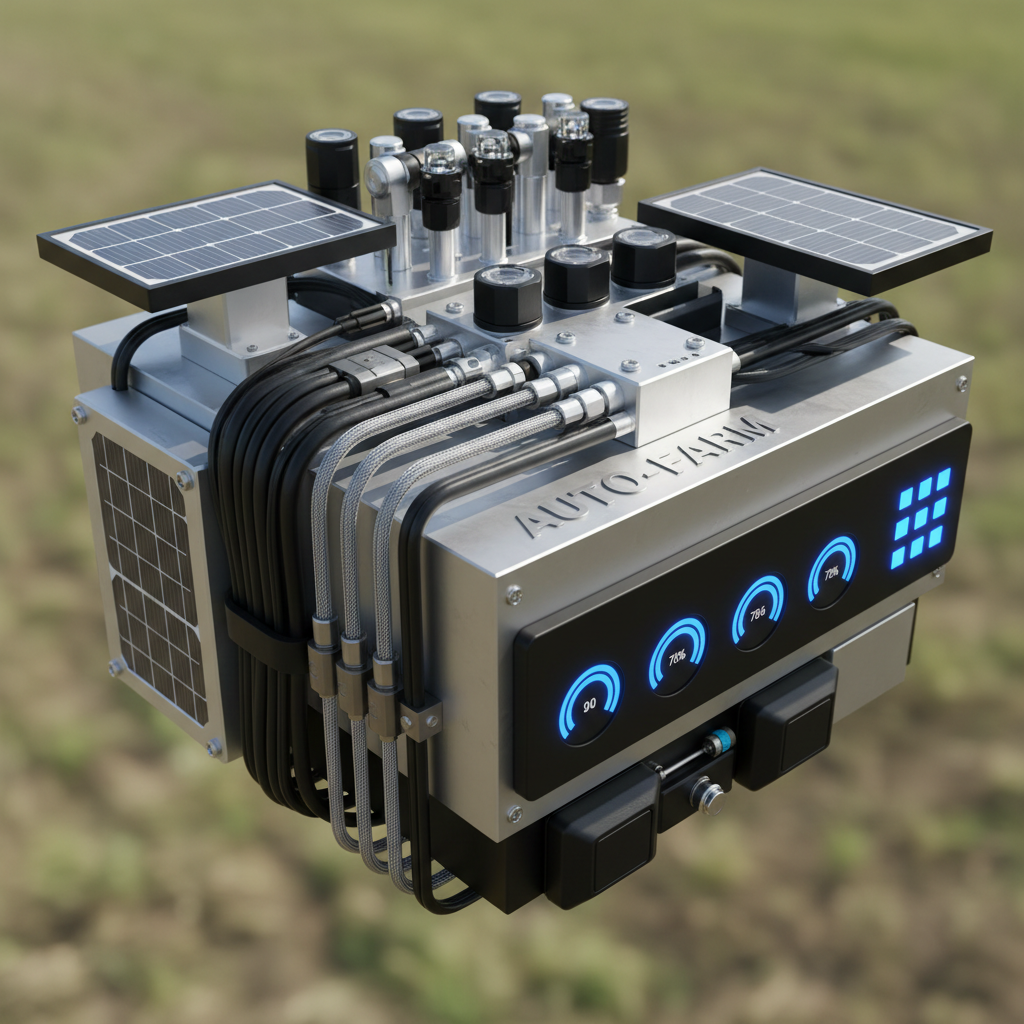
Robotic farming involves the use of autonomous machines to perform agricultural tasks, reducing the need for human labor and increasing efficiency. These innovations are not only enhancing productivity but also addressing environmental concerns by promoting sustainable farming practices.
The Role of Automation in Agriculture
Automation in farming is transforming the way we grow and harvest crops. By leveraging robotics, farmers can streamline operations and minimize errors. This is particularly beneficial for tasks that require precision, such as planting, watering, and harvesting.
Automated systems can operate around the clock, allowing for continuous production and timely harvesting. This efficiency helps in reducing waste and maximizing yield, ensuring that resources are used optimally.
Innovative Robotic Technologies
Several cutting-edge technologies are shaping the future of robotic farming. Some of the most notable include:
- Autonomous Tractors: These driverless tractors are equipped with GPS and sensors to navigate fields and perform tasks with precision.
- Robotic Harvesters: Designed to pick fruits and vegetables without damaging them, these machines improve the quality and speed of harvesting.
- Drones: Used for monitoring crops and spraying pesticides, drones provide valuable data and ensure the health of the crops.
Environmental Benefits
Robotic farming is not just about enhancing productivity; it also offers significant environmental benefits. By optimizing resource use, these technologies help in reducing the carbon footprint of agriculture.
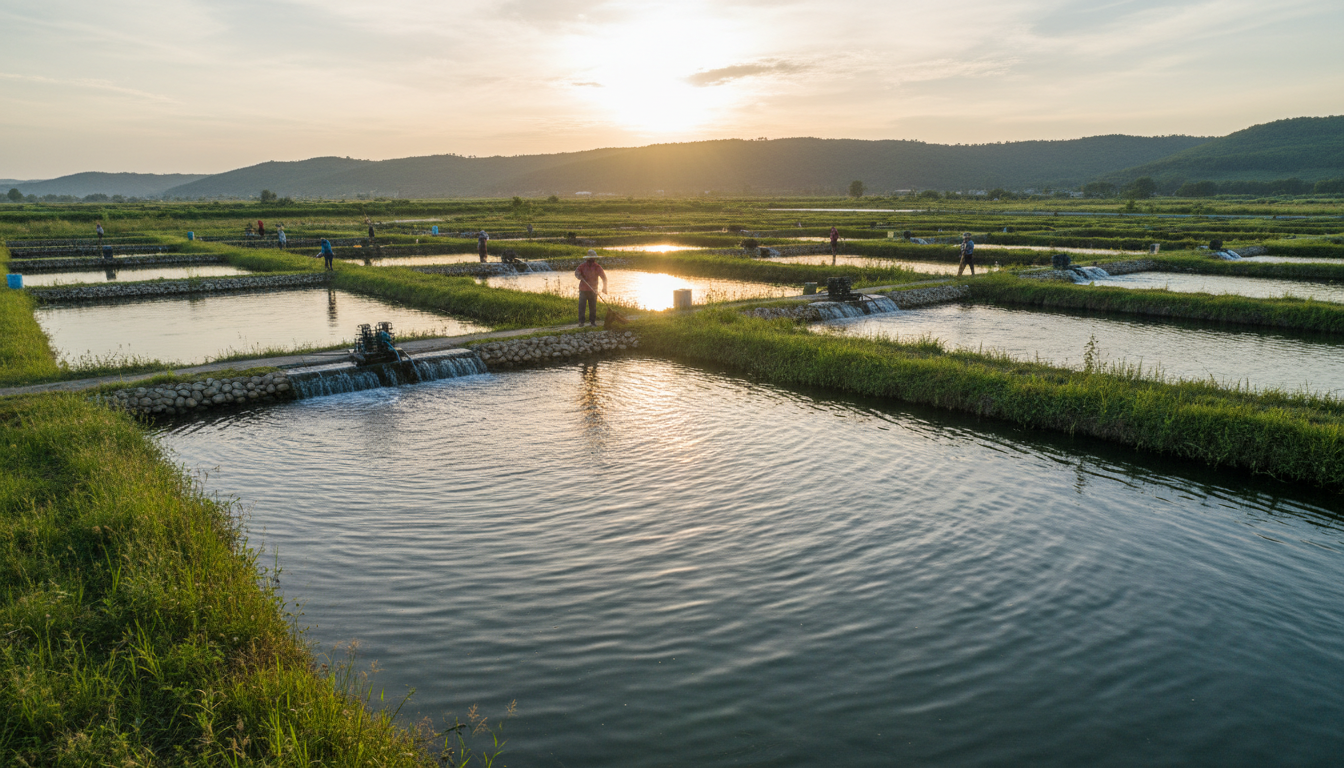
Precision farming techniques enabled by robotics ensure that water, fertilizers, and pesticides are used efficiently, minimizing environmental impact. This leads to healthier soil and reduces pollution, contributing to a more sustainable future.
Challenges and Considerations
Despite the advantages, there are challenges associated with implementing robotic farming. High initial investment costs and the need for technical expertise can be barriers for small-scale farmers.
However, as technology advances and becomes more accessible, these challenges are expected to diminish. Collaborative efforts between governments, tech companies, and farmers can help in overcoming these hurdles.
Future Prospects
The future of robotic farming looks promising, with continuous innovations paving the way for more efficient and sustainable agriculture. As these technologies become more mainstream, they are likely to play a crucial role in feeding the world's growing population.
By embracing robotic farming, we are not only preparing for the future but also ensuring a more resilient and sustainable agricultural system. The integration of robotics in farming is a step towards a more efficient and eco-friendly world.