Preparing Your Farm for Summer: A Guide to Automated Irrigation Systems


Understanding Automated Irrigation Systems
As summer approaches, farmers face the challenge of keeping their crops hydrated under the hot sun. Automated irrigation systems offer an efficient solution to this problem, providing precise water distribution while saving time and resources. These systems can be tailored to suit different farm sizes and crop types, ensuring optimal growth conditions.
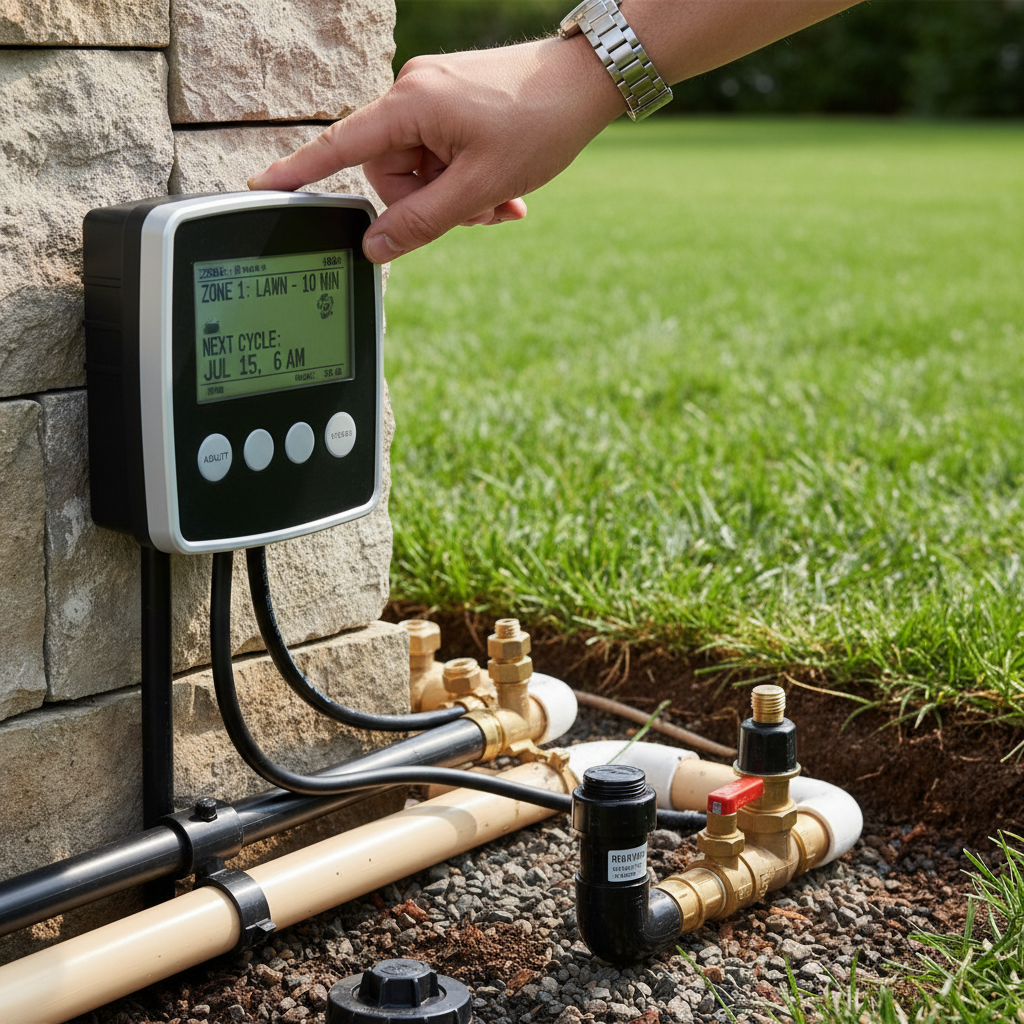
Automated irrigation systems use technology to control the amount and timing of water applied to crops. By leveraging sensors and timers, these systems ensure that plants receive the right amount of water, reducing waste and enhancing crop yield. Understanding the different types of automated systems is essential for making an informed choice.
Types of Automated Irrigation Systems
There are several types of automated irrigation systems available, each designed to meet specific farming needs. Some popular options include:
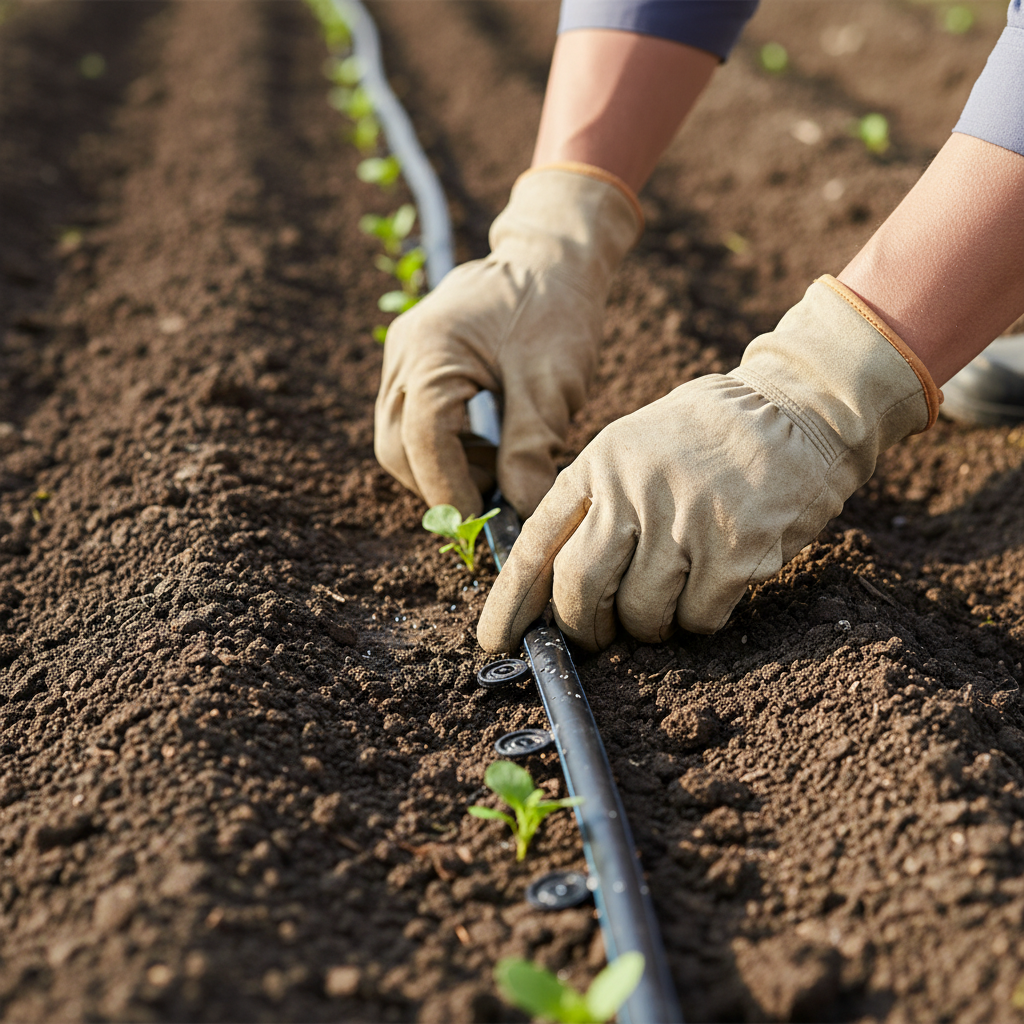
- Drip Irrigation: Ideal for conserving water by delivering it directly to the plant roots.
- Sprinkler Systems: Suitable for larger areas, mimicking natural rainfall.
- Surface Irrigation: Utilizes gravity flow to distribute water across the field.
Choosing the right system depends on your farm's layout, crop type, and water availability. Consulting with an irrigation specialist can help you select the most effective system for your needs.
Benefits of Automated Irrigation
Implementing an automated irrigation system brings numerous benefits. Firstly, it significantly reduces labor costs by eliminating the need for manual watering. Moreover, these systems enhance water efficiency, ensuring that crops receive just the right amount, minimizing runoff and evaporation.
Additionally, automated systems monitor soil moisture levels and adjust watering schedules accordingly. This adaptability ensures that plants receive consistent care, leading to healthier growth and increased yields. By utilizing technology, farmers can focus on other critical aspects of farm management.
Setting Up Your Automated System
Installing an automated irrigation system requires careful planning and execution. Here are some steps to guide you:
- Assess Your Needs: Evaluate your farm's size, crop type, and water source.
- Choose the Right System: Select a system that aligns with your specific requirements.
- Installation: Work with professionals to ensure proper setup and calibration.
- Testing: Run tests to confirm system efficiency and make necessary adjustments.
Maintenance and Troubleshooting
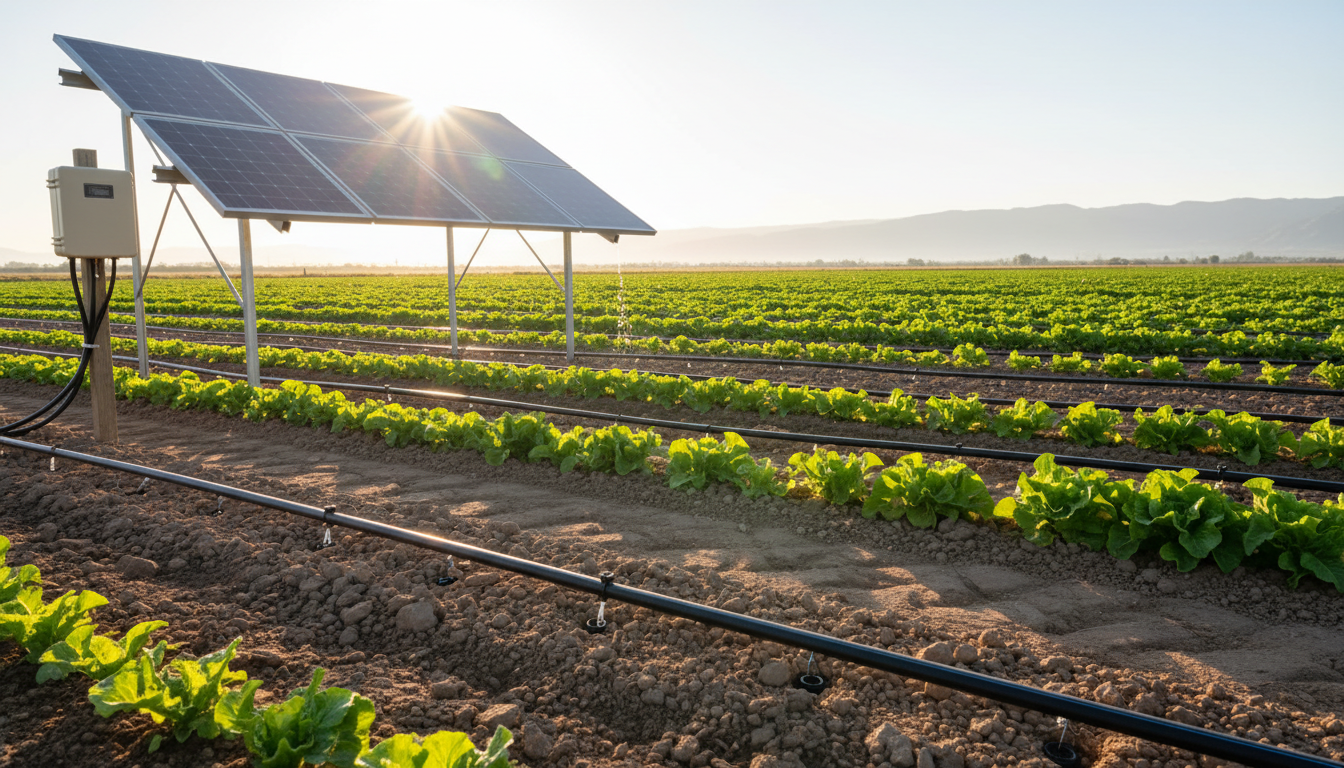
Regular maintenance is crucial to keep your irrigation system running smoothly. Check for leaks, clogs, or any signs of wear and tear. Clean filters and nozzles regularly to prevent blockages. Additionally, monitor the system's performance and make adjustments as needed to adapt to changing weather conditions.
In case of any issues, consult the manufacturer's guide or seek professional assistance. Keeping your system in peak condition ensures reliable performance throughout the summer months.
Conclusion
Preparing your farm for summer with an automated irrigation system can transform your agricultural practices. By providing precise water management, these systems enhance efficiency, conserve resources, and boost crop productivity. As you gear up for the hot months ahead, investing in an automated irrigation system could be a game-changer for your farm.