Robotic Farming Solutions: A Game Changer for Colorado Farmers


The Rise of Robotic Farming in Colorado
Robotic farming solutions are transforming agriculture across the globe, and Colorado is no exception. As farmers face challenges such as labor shortages and climate change, the adoption of robotics offers a promising solution. These technologies are not just futuristic concepts; they are practical tools that can enhance productivity and sustainability.
Efficiency and Precision in Agriculture
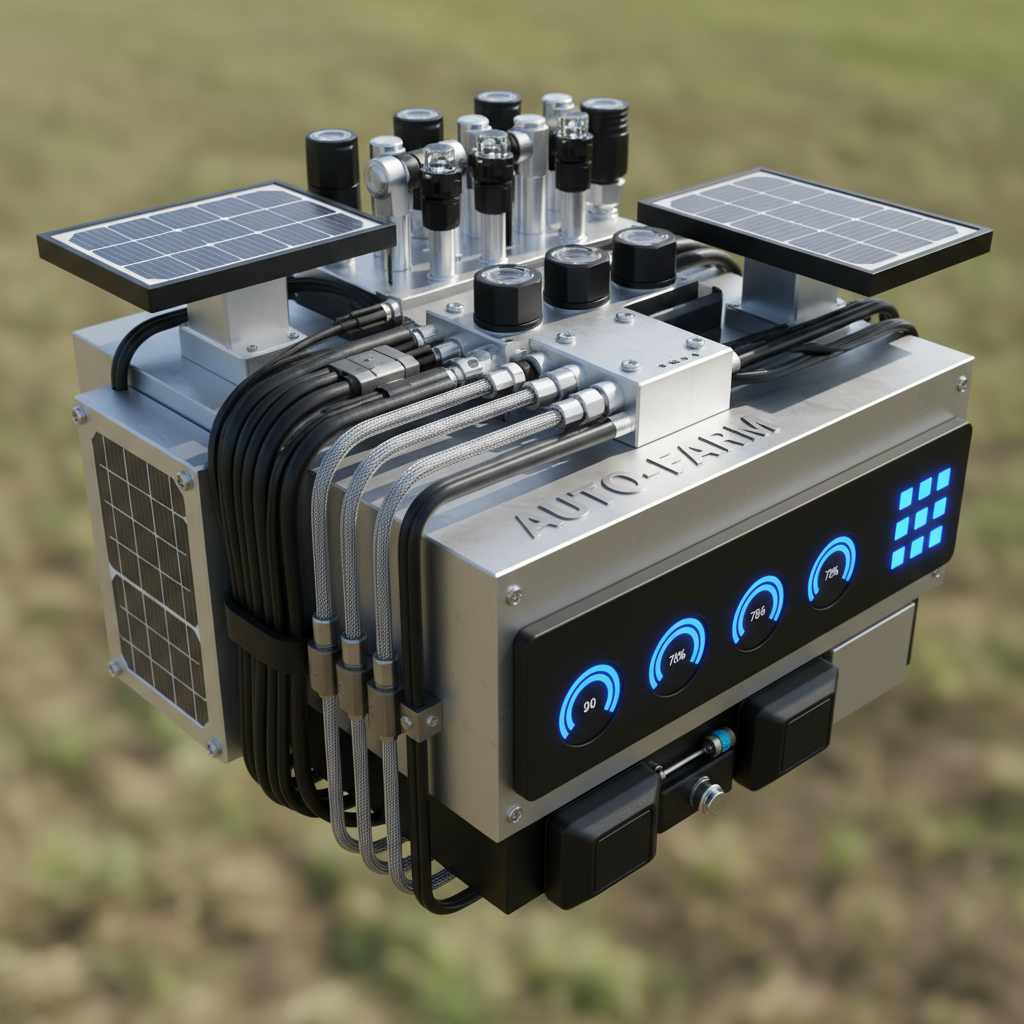
One of the most significant advantages of robotic farming is the increase in efficiency and precision. Robots can perform repetitive tasks with high accuracy, reducing the margin for error. This is particularly beneficial for tasks such as planting, weeding, and harvesting. Farmers can now rely on machines to ensure crops are handled with care, optimizing both yield and quality.
Moreover, robotic systems can work tirelessly, unaffected by fatigue. This constant operation allows for timely interventions, crucial for maintaining crop health and maximizing harvests. In Colorado, where the growing season can be limited, this continuous productivity is invaluable.
Addressing Labor Shortages
Labor shortages are a persistent issue for many farmers in Colorado. The introduction of robotics can alleviate these pressures by taking over labor-intensive tasks. This not only reduces dependency on seasonal workers but also allows human labor to focus on more skilled operations that require critical decision-making.

By integrating robotics, farms can operate more smoothly, ensuring that key processes are never stalled due to lack of manpower. This shift can lead to more stable and predictable production cycles, boosting the overall efficiency of the agricultural sector.
Sustainability and Environmental Impact
Robotic farming solutions also contribute to environmental sustainability. Precision farming techniques enabled by robotics reduce waste and optimize resource use. For example, automated irrigation systems can adjust water usage based on real-time data, conserving this precious resource.
- Reduced chemical usage through targeted application.
- Minimized soil disruption, preserving soil health.
- Enhanced monitoring of crop conditions for better decision-making.
Cost Implications and Accessibility
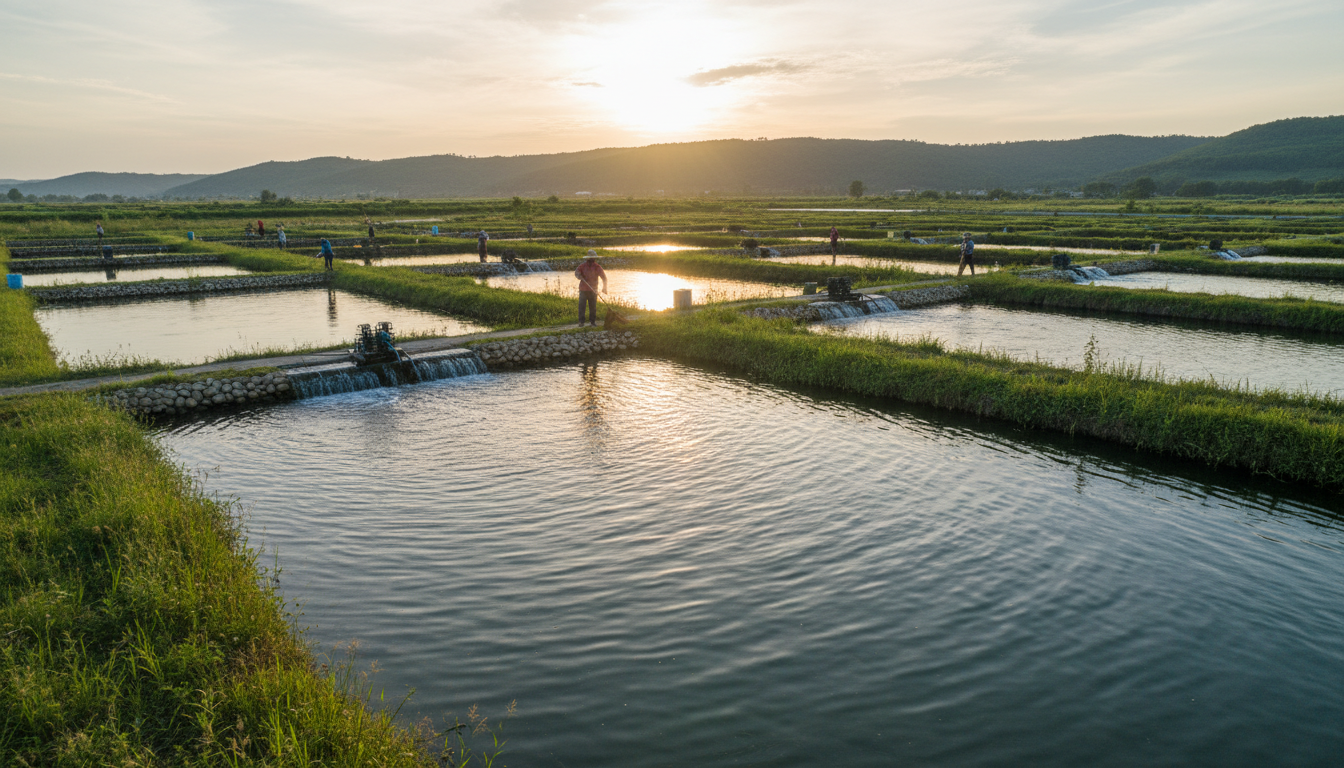
While the initial investment in robotic farming technology can be substantial, the long-term benefits often outweigh the costs. The reduction in labor expenses, increased yield, and improved crop quality can lead to a significant return on investment. Additionally, as technology advances, these solutions are becoming more accessible to small and medium-sized farms, not just large industrial operations.
For Colorado farmers, investing in robotics could mean staying competitive in an ever-evolving market. This technology not only supports productivity but also opens new avenues for innovation and growth.
Future Prospects for Colorado Farmers
The future of farming in Colorado looks promising with the integration of robotics. As these technologies continue to evolve, they will offer even more sophisticated solutions for tackling agricultural challenges. The potential for growth and innovation in this space is immense, with new developments likely to redefine farming practices in the coming years.
By embracing robotic farming solutions, Colorado farmers are positioning themselves at the forefront of agricultural innovation. This proactive approach will not only enhance their productivity but also contribute to a more sustainable and resilient agricultural industry.