The Benefits of Harvest Season Automation Tools for Local Farmers


Introduction to Harvest Season Automation
As the agricultural sector continues to evolve, the integration of technology has become a cornerstone for efficiency and productivity. One of the most significant advancements is the use of automation tools during the harvest season. These tools are revolutionizing the way local farmers manage their crops, providing numerous benefits that extend beyond the field.
Increased Efficiency and Productivity
Automation tools significantly boost efficiency by allowing farmers to complete tasks more quickly and accurately. With automated machinery, tasks that once took days can now be completed in hours. This not only reduces labor costs but also increases the overall productivity of the farm, enabling farmers to focus on other essential aspects of their operations.
Reducing Labor Costs
The implementation of automation tools can lead to a substantial reduction in labor costs. By minimizing the need for manual labor, farmers can allocate resources more effectively, ensuring that their workforce is used for tasks that truly require human intervention. This reduction in labor dependency is especially beneficial during peak harvest times.

Improved Crop Quality
Automation tools are designed to handle crops with precision, which helps in maintaining the quality of the produce. These tools minimize human error and ensure consistent handling, which is crucial for maintaining the integrity of the crops. As a result, farmers can deliver higher-quality products to the market, enhancing their reputation and profitability.
Enhanced Data Collection
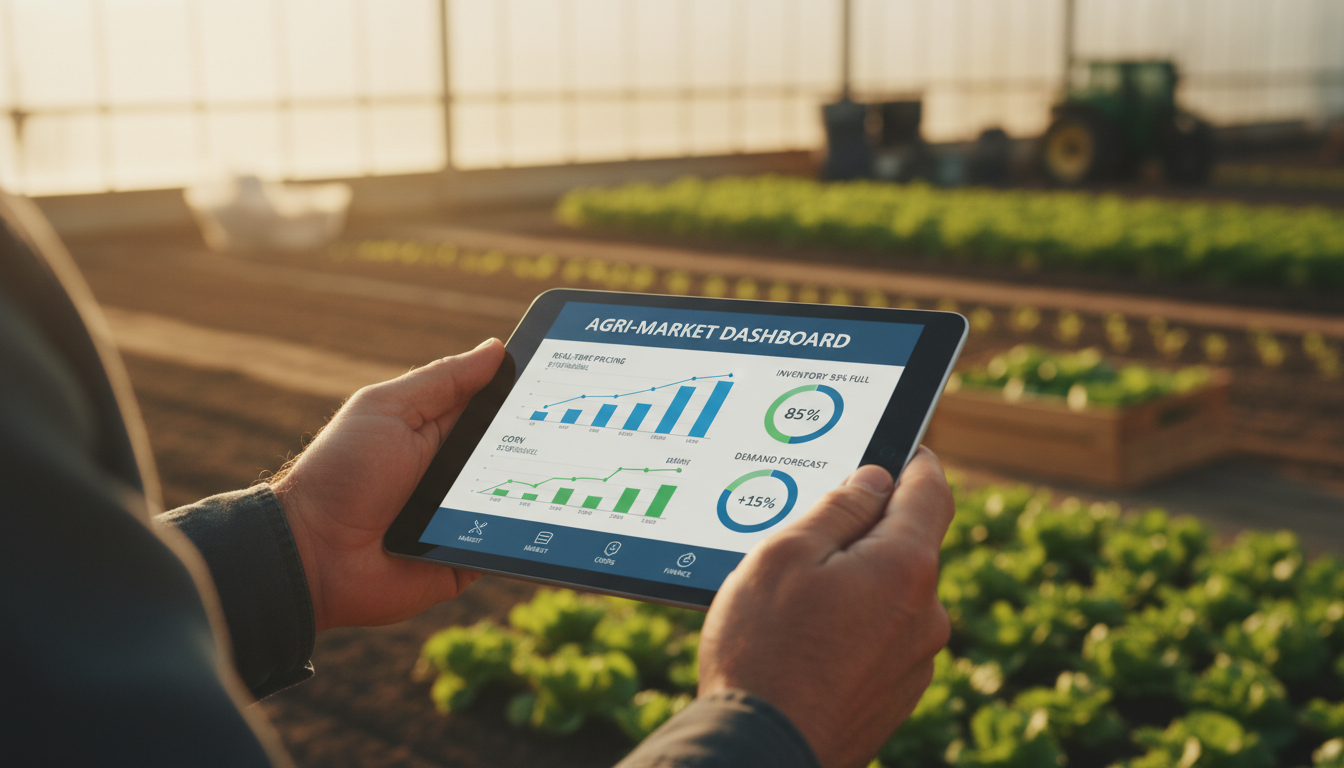
Modern automation tools are equipped with advanced data collection capabilities. By gathering real-time data on crop yield, soil conditions, and equipment performance, farmers can make informed decisions that optimize their operations. This data-driven approach leads to better resource management and improved crop outcomes.

Sustainability and Environmental Benefits
Automation tools contribute to more sustainable farming practices. By optimizing resource use and reducing waste, these tools help farmers minimize their environmental footprint. Automation can lead to more precise application of water and fertilizers, reducing runoff and conserving natural resources.
Reducing Carbon Footprint
By streamlining operations and reducing the need for fuel-intensive machinery, automation tools can significantly lower the carbon footprint of farming activities. This is an essential consideration for farmers looking to adopt more environmentally friendly practices and meet regulatory requirements.
Conclusion
Incorporating automation tools during the harvest season offers a myriad of benefits for local farmers. From increased productivity and reduced costs to improved crop quality and sustainability, these tools are a valuable investment for the future of agriculture. As technology continues to advance, the potential for further enhancements in farming efficiency remains vast and promising.