The Future of Farming: How Automated Farming Equipment is Revolutionizing Agriculture


The Rise of Automated Farming Equipment
The agricultural industry is undergoing a revolutionary transformation as automated farming equipment becomes increasingly prevalent. This shift is not only reshaping how farms operate but also enhancing productivity, reducing labor costs, and addressing environmental concerns. Farmers worldwide are beginning to recognize the numerous benefits that automation brings to their fields.
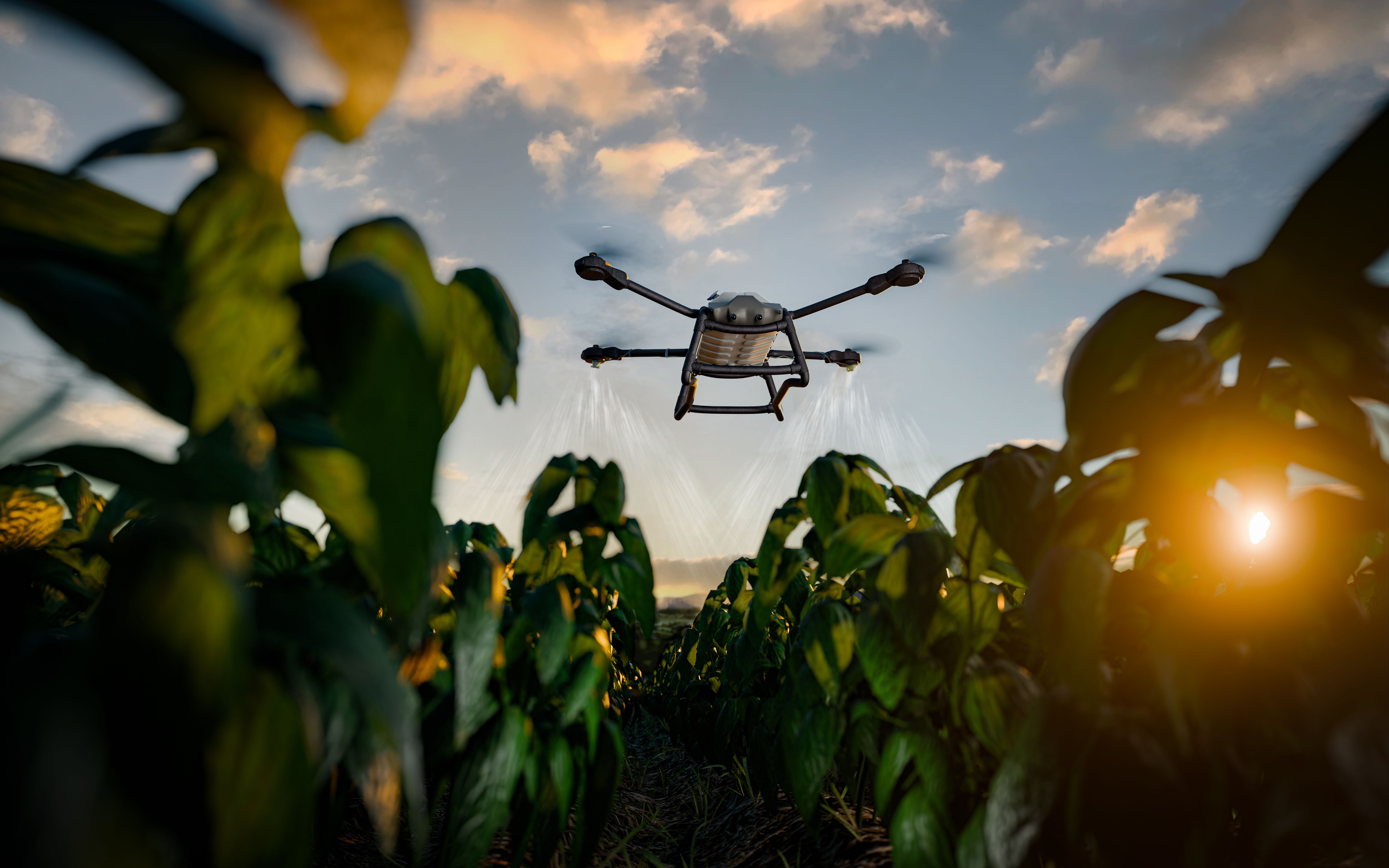
Automation in agriculture encompasses a variety of technologies, from autonomous tractors to drones and robotic harvesters. These innovations are designed to perform tasks that were traditionally done manually, allowing for greater efficiency and precision. As these technologies continue to evolve, they promise to address some of the most pressing challenges faced by the agricultural sector today.
Enhancing Productivity and Efficiency
The implementation of automated farming equipment significantly boosts productivity and efficiency on farms. Automated machines can work around the clock, unaffected by fatigue or weather conditions, ensuring that tasks are completed promptly. This constant operation can lead to increased yields and reduced downtime, which are crucial in meeting the growing global food demand.
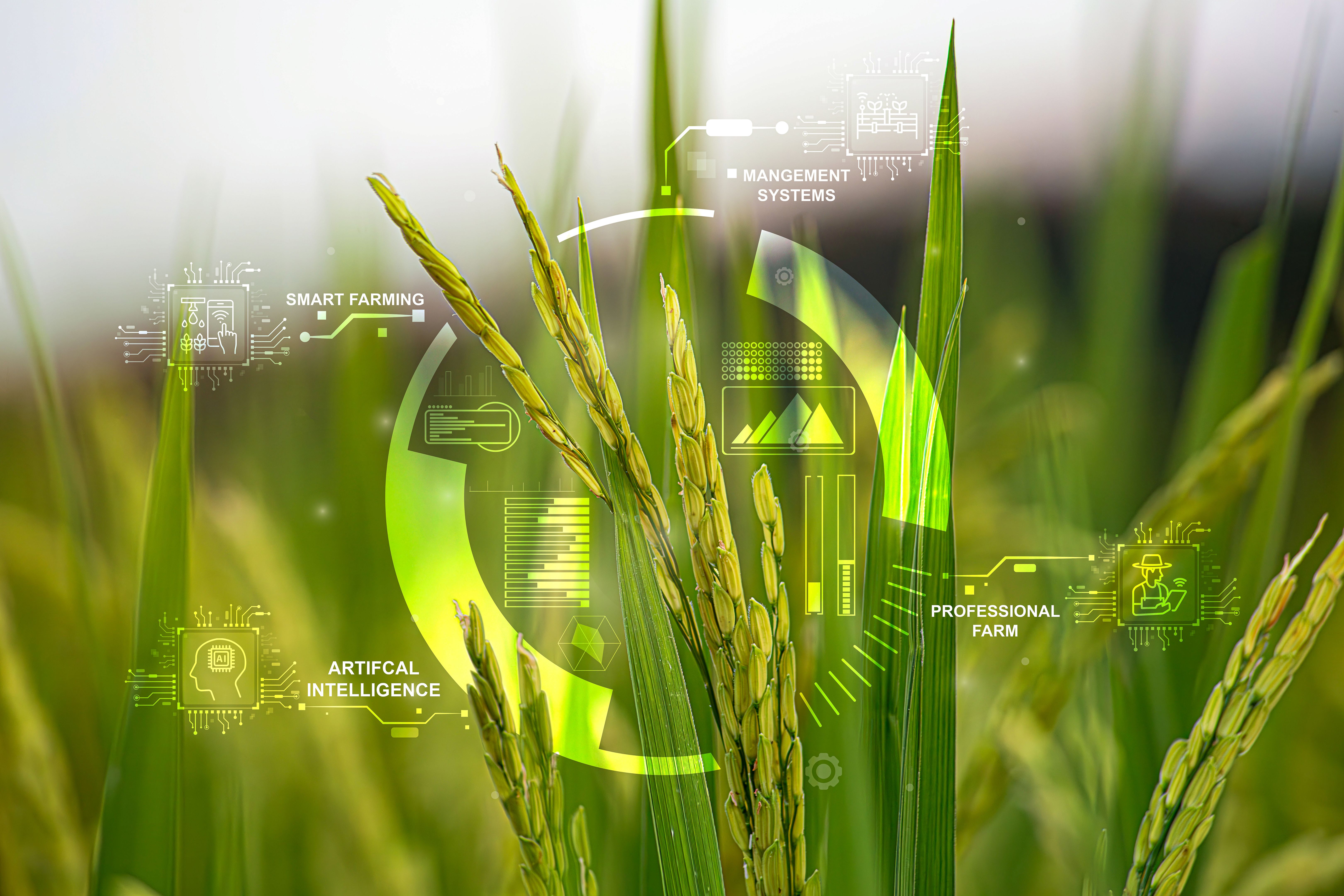
Moreover, automation allows for precision agriculture, where tasks such as planting, watering, and harvesting are optimized for maximum yield. Sensors and GPS technology enable machines to perform tasks with pinpoint accuracy, reducing waste and minimizing the use of resources like water and fertilizers.
Reducing Labor Costs and Addressing Labor Shortages
One of the significant advantages of automated farming equipment is the reduction of labor costs. With machines taking over repetitive and labor-intensive tasks, the need for manual labor decreases. This is particularly beneficial in regions facing labor shortages, where finding skilled workers can be challenging and expensive.
Automation also allows farmers to reallocate their workforce to more critical tasks that require human intuition and decision-making. This shift not only saves money but also enhances the overall efficiency of farm operations.
Environmental Benefits
Automated farming equipment plays a crucial role in promoting sustainable agriculture. Precision farming techniques reduce the overuse of chemicals and minimize soil disturbance, leading to healthier crop growth and reduced environmental impact. By optimizing the use of resources, automated equipment helps in conserving water and reducing greenhouse gas emissions.
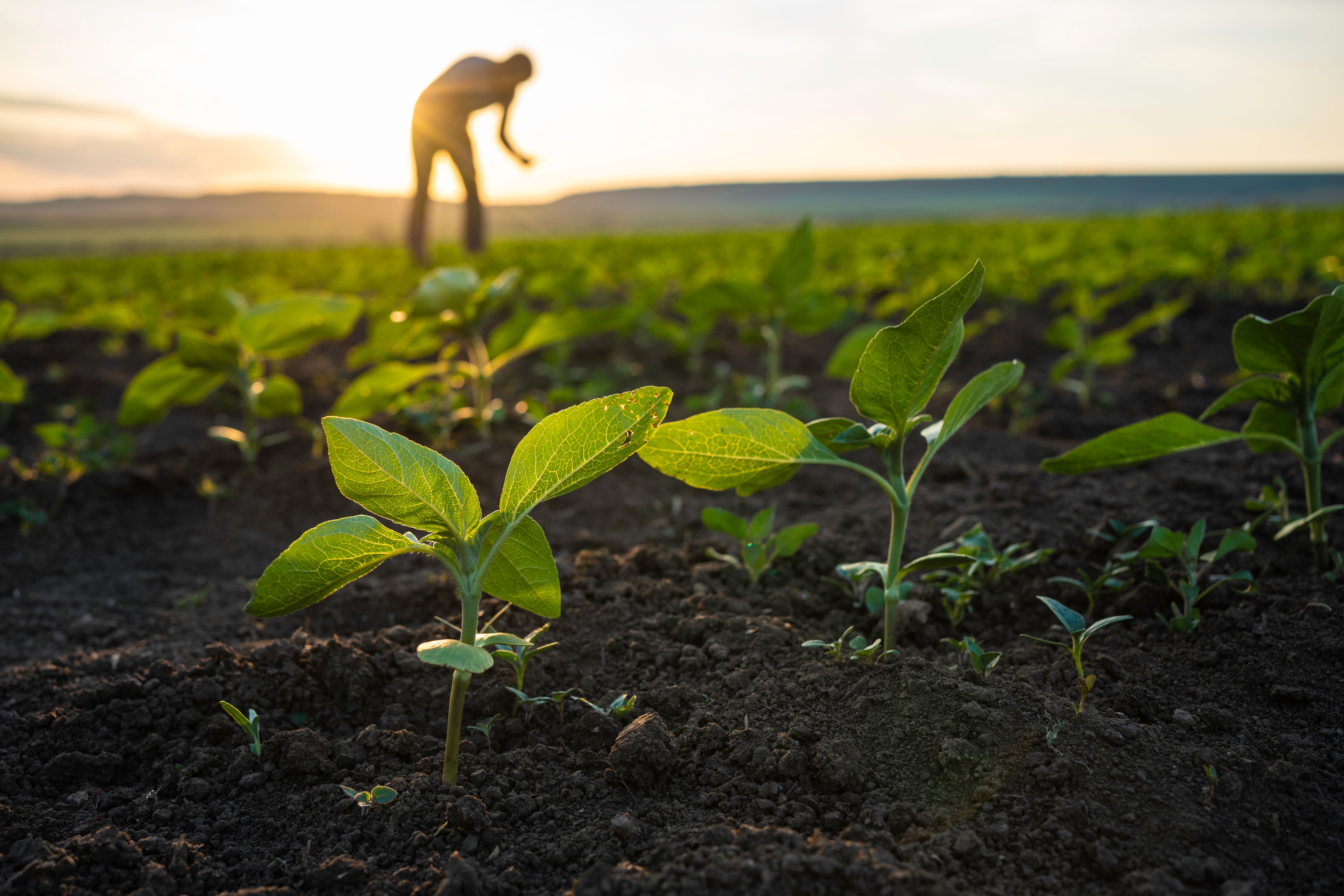
Furthermore, data collected by automated machines provides valuable insights into crop health and soil conditions. Farmers can utilize this data to make informed decisions, enhancing sustainability and ensuring long-term productivity.
The Challenges and Future of Automation in Agriculture
Despite its numerous benefits, the adoption of automated farming equipment is not without challenges. High initial costs, the need for technical expertise, and concerns about job displacement are some of the obstacles that need to be addressed. However, as technology becomes more accessible and affordable, these challenges are gradually being overcome.
Looking ahead, the future of farming lies in further integration of technology and innovation. As artificial intelligence and machine learning continue to develop, we can expect even smarter and more efficient farming solutions. The agricultural landscape is set to be transformed, ensuring food security and sustainability for generations to come.