The Future of Farming: How Robotics Are Revolutionizing Agriculture in Denver


As the world continues to face challenges in food production, the integration of robotics in agriculture has emerged as a promising solution. In Denver, a hub of technological innovation, the farming industry is experiencing a transformation driven by robotics. This advancement is not just about increasing efficiency but also about addressing critical environmental and economic issues.
The Role of Robotics in Modern Farming
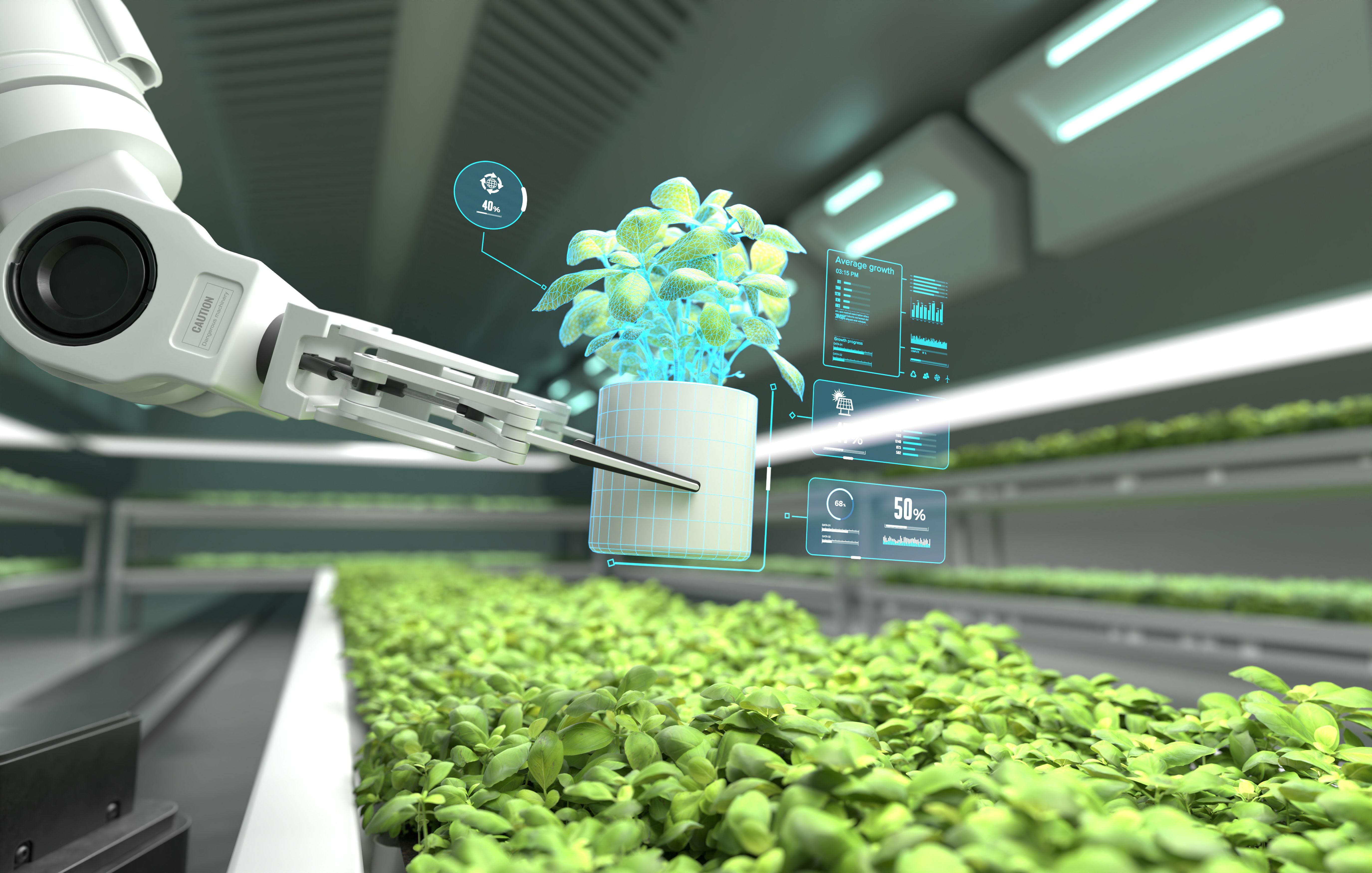
Robotics are reshaping the agricultural landscape by automating tasks that were traditionally labor-intensive. From planting to harvesting, robots are capable of performing these tasks with greater precision and speed. This not only reduces the need for manual labor but also minimizes human error, resulting in higher crop yields.
In Denver, local farms are adopting robotic systems to optimize their operations. These systems are equipped with advanced sensors and AI technology, allowing them to adapt to varying conditions and make real-time decisions that enhance productivity. This shift is crucial for farms looking to remain competitive in the ever-evolving agricultural sector.
Environmental Benefits
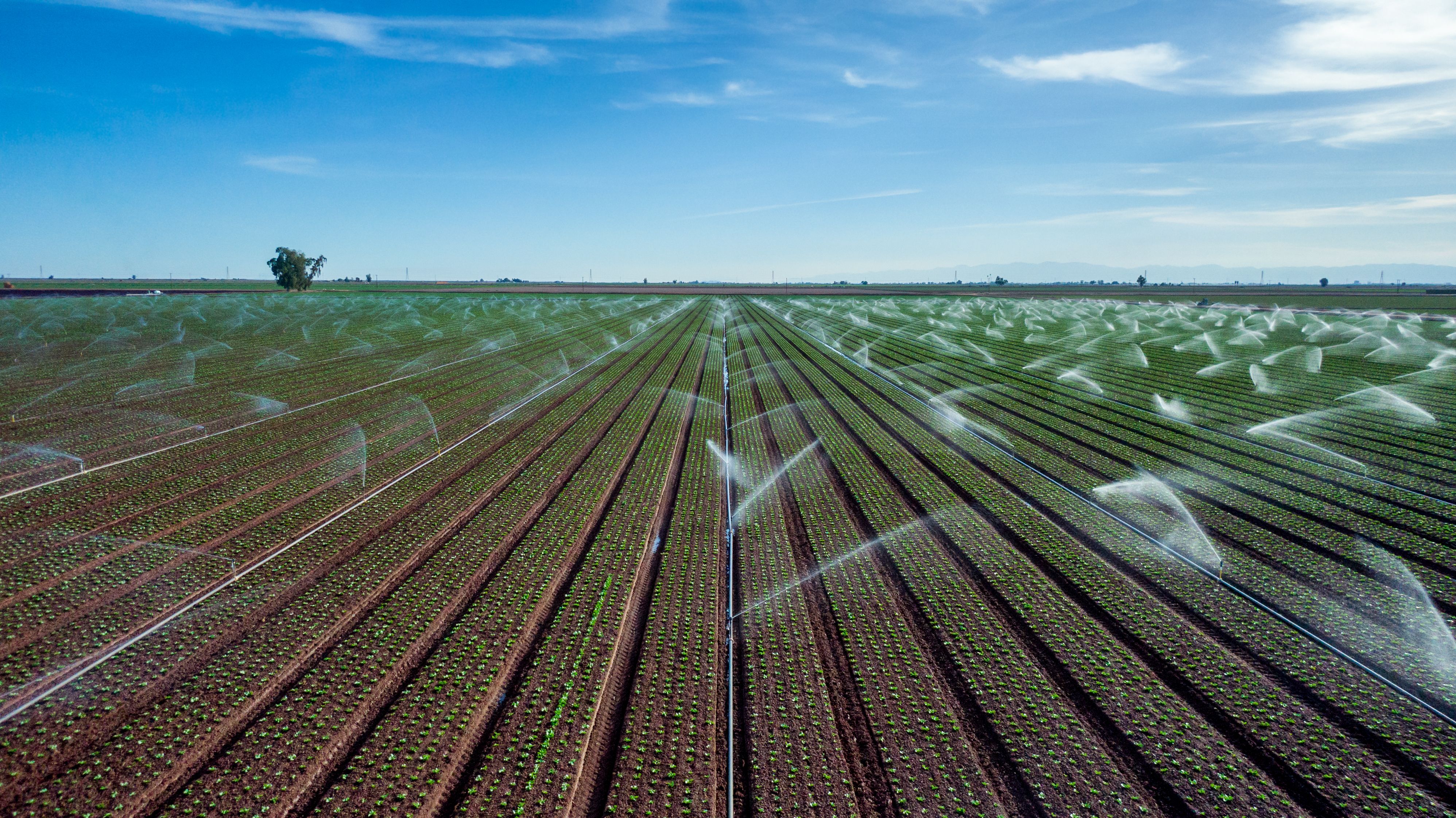
One of the most significant advantages of using robotics in agriculture is the positive impact on the environment. Robots are designed to use resources more efficiently, reducing waste and minimizing the carbon footprint of farming activities. In Denver, where sustainability is a key concern, this is a major benefit.
Robots can precisely apply fertilizers and pesticides, ensuring that only the necessary amount is used. This targeted approach reduces runoff and prevents soil degradation, promoting healthier ecosystems. Additionally, the use of drones for monitoring crop health allows for early detection of issues, enabling timely interventions that reduce the need for chemical treatments.
Economic Implications
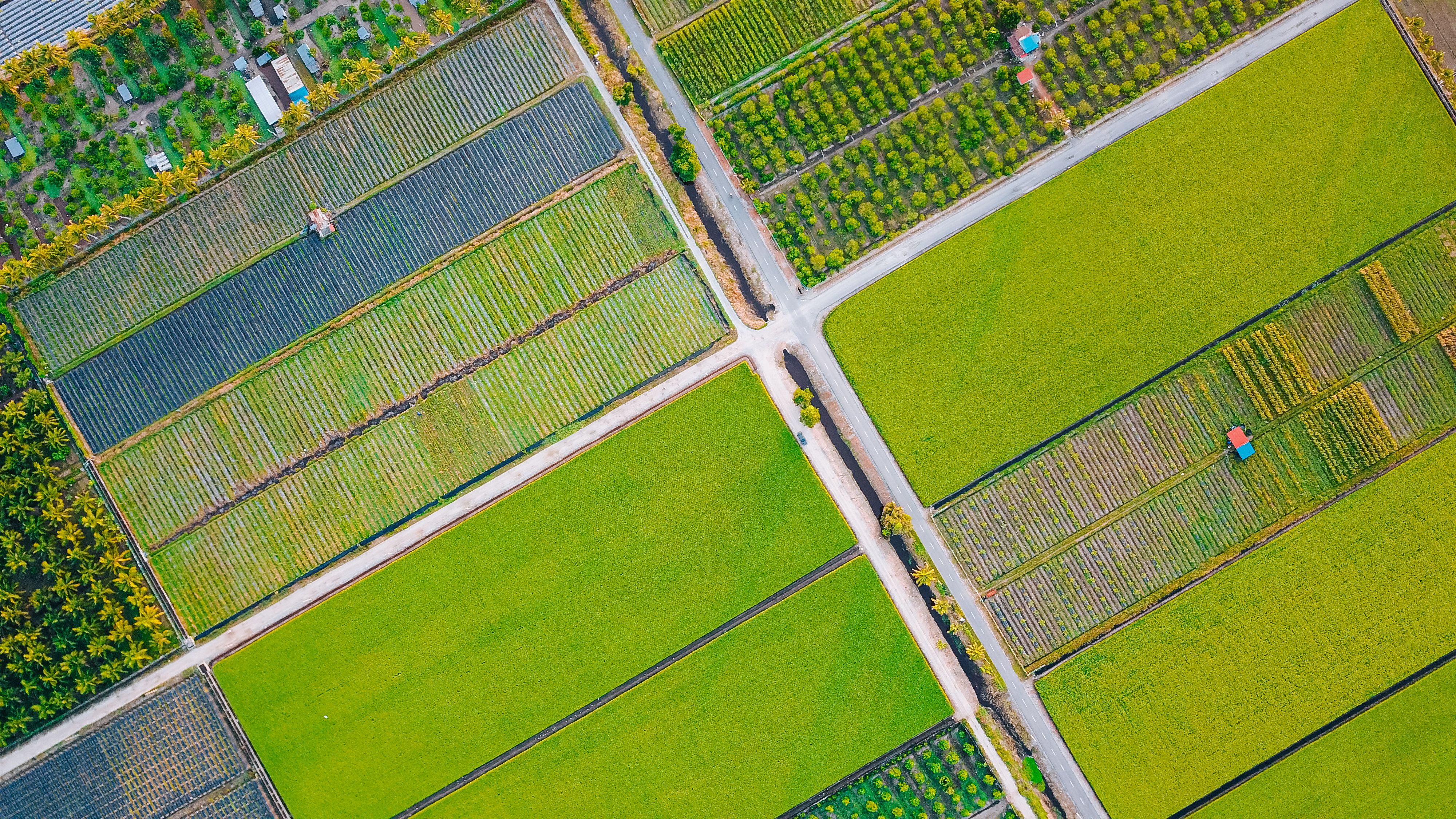
The integration of robotics in agriculture also has significant economic implications. By reducing labor costs and increasing efficiency, farms can boost their profitability. In Denver, where labor shortages are a common challenge, robotics offer a viable solution to maintain productivity levels.
Moreover, the initial investment in robotic technology is often offset by the long-term savings and increased revenue from improved crop yields. This makes it an attractive option for both small and large-scale farming operations.
Challenges and Opportunities
While the benefits of robotics in agriculture are clear, there are challenges that need to be addressed. The high cost of technology and the need for technical expertise can be barriers for some farmers. However, ongoing advancements and decreasing costs are making these solutions more accessible.
Opportunities abound for companies and startups in Denver to develop and provide innovative robotic solutions tailored to the needs of local farmers. Collaboration between technology providers and agricultural experts is essential to harness the full potential of robotics in farming.

The Future Outlook
The future of farming in Denver looks promising with the continued integration of robotics. As technology evolves, we can expect even more sophisticated solutions that will further revolutionize the industry. Embracing these advancements will be key to meeting the growing demand for food while maintaining sustainable practices.
Robotics offer a pathway to a more efficient, environmentally friendly, and economically viable agricultural sector. As Denver leads the way in adopting these technologies, it sets a precedent for other regions to follow, paving the way for a brighter future in farming.