The Future of Farming: Innovations in Robotic Crop Harvesting


Introduction to Robotic Crop Harvesting
The agricultural industry is on the brink of a major transformation with the advent of robotic crop harvesting. As the demand for food continues to rise, traditional farming methods are being supplemented with cutting-edge technology to increase efficiency and productivity. Robotic crop harvesting represents a significant leap forward in how we cultivate and gather our food.
These innovations are not only addressing labor shortages but also ensuring that farming can keep pace with the growing global population. With advancements in artificial intelligence and machine learning, these robots are becoming more adept at handling various crops, from fruits to vegetables.
How Robotic Harvesters Work
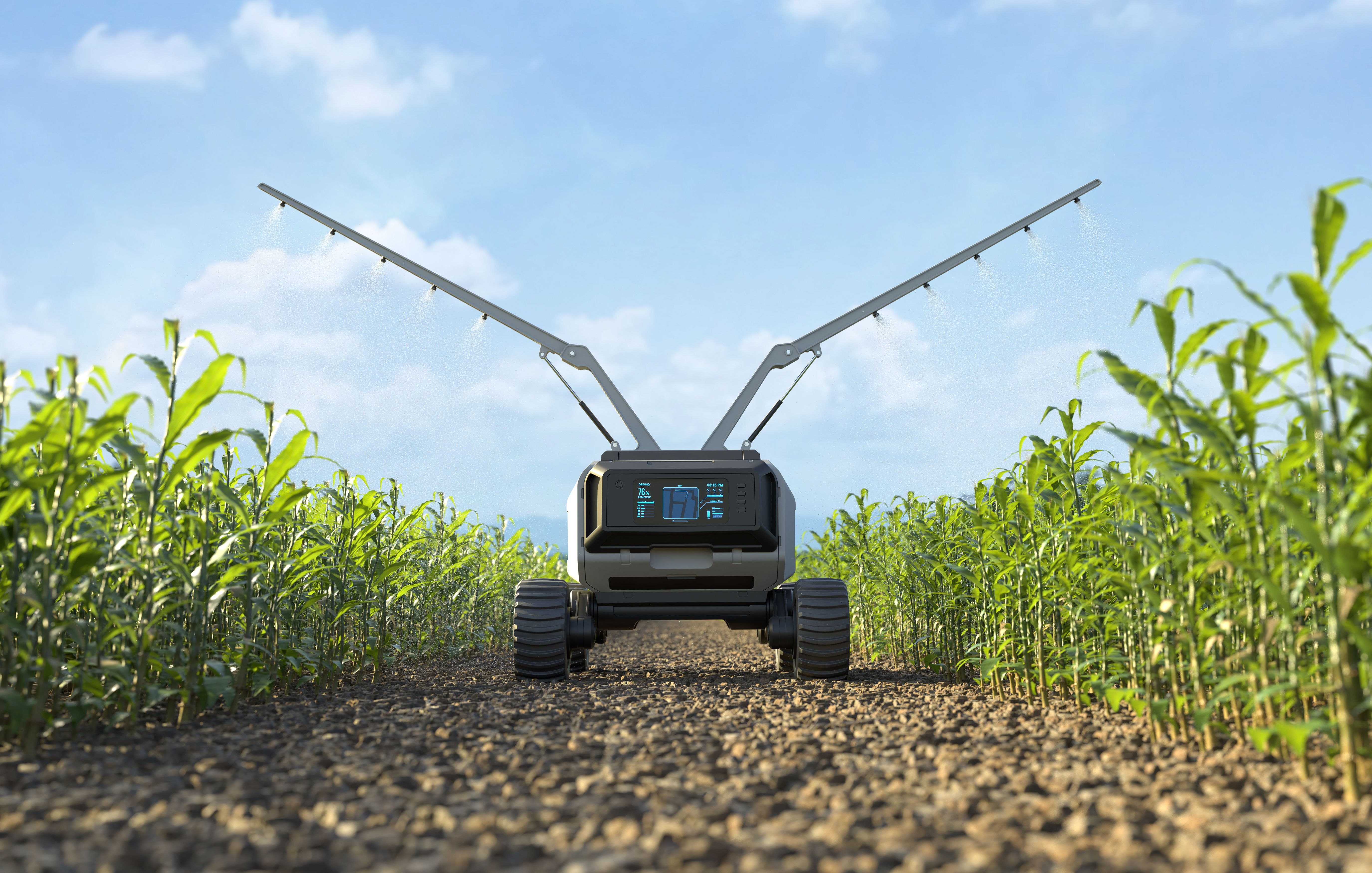
Robotic harvesters are equipped with a combination of sensors, cameras, and advanced algorithms that allow them to navigate fields and identify ripe produce. These machines can work tirelessly, day and night, picking crops with precision and care. This reduces waste and ensures that only the ripest produce is collected.
The use of machine vision technology enables these robots to differentiate between ripe and unripe crops, ensuring optimal harvesting. They are programmed to handle delicate produce without causing damage, which is crucial for fruits and vegetables that bruise easily.
Benefits of Robotic Harvesting
The benefits of robotic crop harvesting are numerous. First and foremost, it addresses the ongoing labor shortages in many agricultural regions, providing a reliable and consistent workforce. This technology also enhances efficiency, allowing for faster harvesting and reducing the time crops spend in the field.
Additionally, robotic harvesters can operate in various weather conditions, ensuring that farmers do not miss critical harvesting windows. This consistency helps in maintaining the quality and quantity of the yield, which is essential for meeting market demands.
Environmental Impact
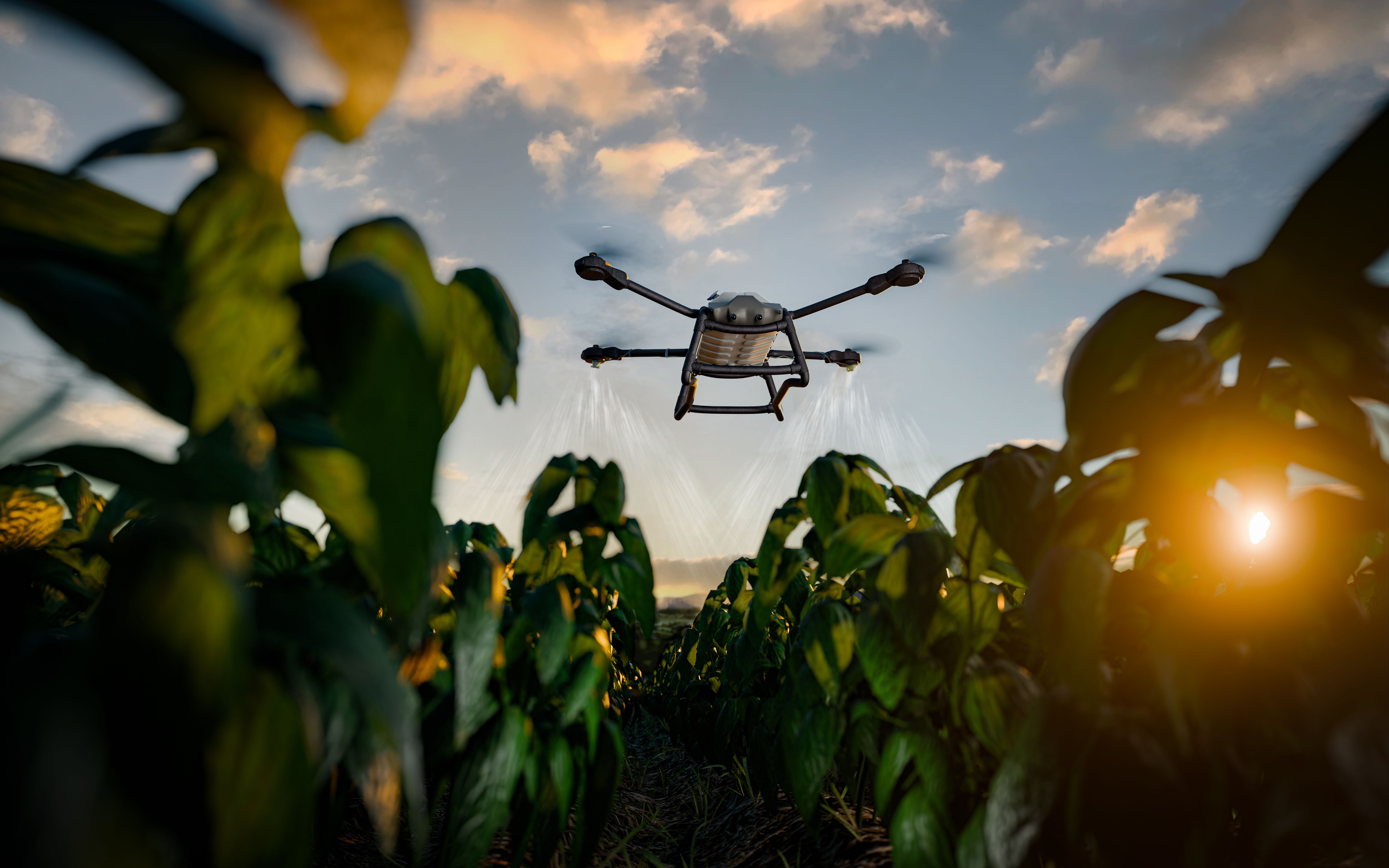
Robotic harvesting can also contribute to more sustainable farming practices. By optimizing the harvesting process, these machines can help reduce the carbon footprint of agricultural operations. They enable precision farming, which minimizes waste and promotes better resource management.
Moreover, the use of robotics can lead to a reduction in the use of pesticides and fertilizers, as robots can precisely target areas that require treatment. This precision reduces the environmental impact and promotes healthier crops.
Challenges and Considerations
Despite the numerous advantages, there are challenges to the widespread adoption of robotic harvesting. The initial cost of these machines can be prohibitive for small-scale farmers. Additionally, there is a learning curve associated with operating and maintaining this technology.
There is also the challenge of adapting these robots to handle different types of crops and field conditions. Ongoing research and development are crucial to overcome these obstacles and make robotic harvesting more accessible to all farmers.

The Future of Farming
As technology continues to evolve, the future of farming looks promising with the integration of robotics. The potential for increased productivity, reduced labor costs, and sustainable practices makes robotic harvesting a compelling option for modern agriculture.
Farmers who embrace this technology will likely lead the way in the next agricultural revolution, ensuring that the world’s growing population can be fed efficiently and sustainably. In the coming years, we can expect to see even more sophisticated robotic systems that will further enhance the capabilities of farmers worldwide.