The Future of Farming: Trends in Agricultural Robotics


Introduction to Agricultural Robotics
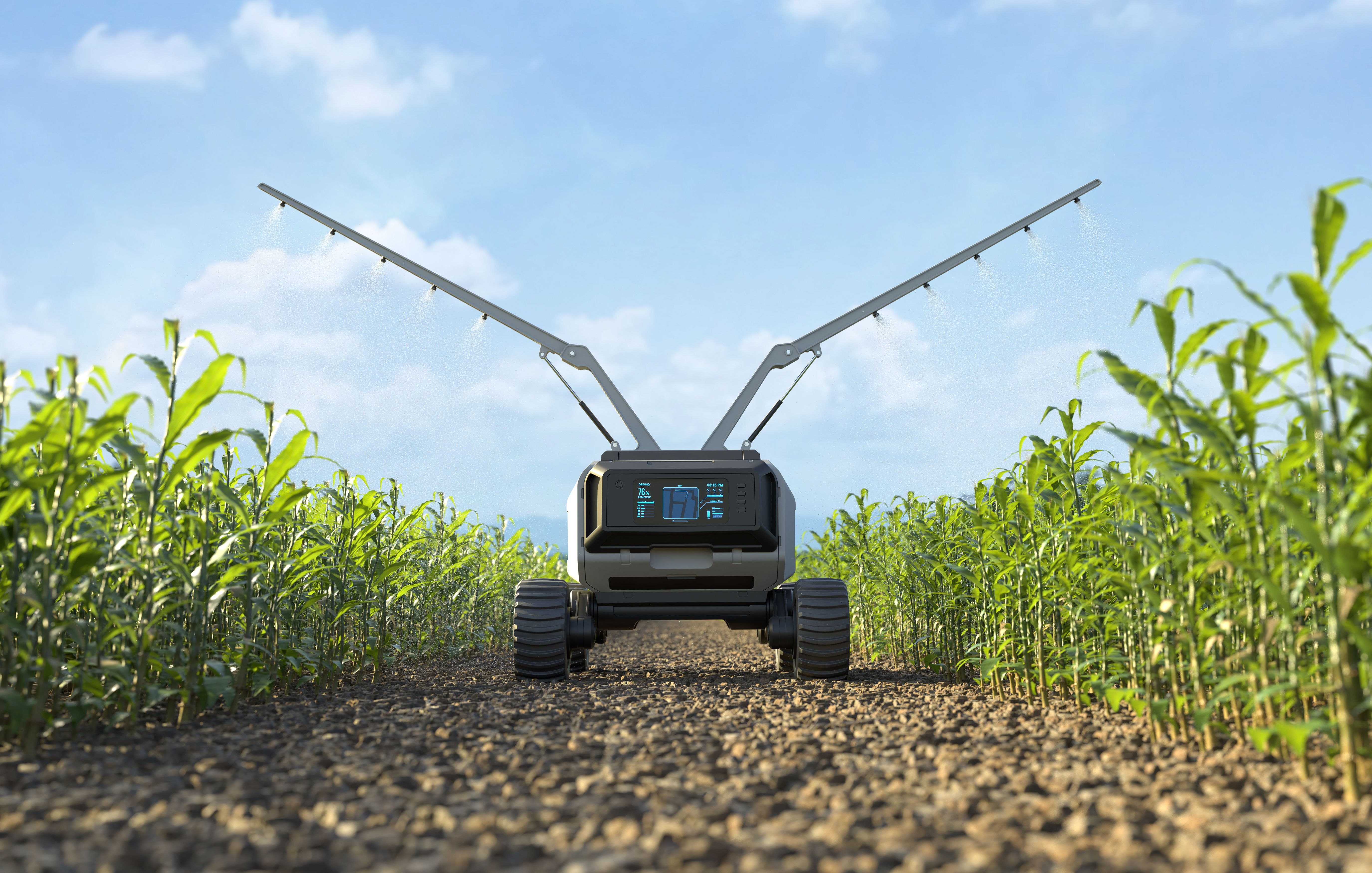
The agricultural industry is undergoing a technological revolution, with robotics playing a pivotal role. As the global population continues to grow, farmers are under increasing pressure to produce more food efficiently. Agricultural robotics offers a solution by enhancing productivity, reducing labor costs, and minimizing environmental impact.
Automation in Farming
Robotic Harvesters
Robotic harvesters are transforming the way crops are collected. These machines can work tirelessly for longer periods, ensuring that harvests are completed on time. By utilizing advanced sensors and machine learning, robotic harvesters can determine the ripeness of fruits and vegetables, picking them at the optimal time.
Autonomous Tractors
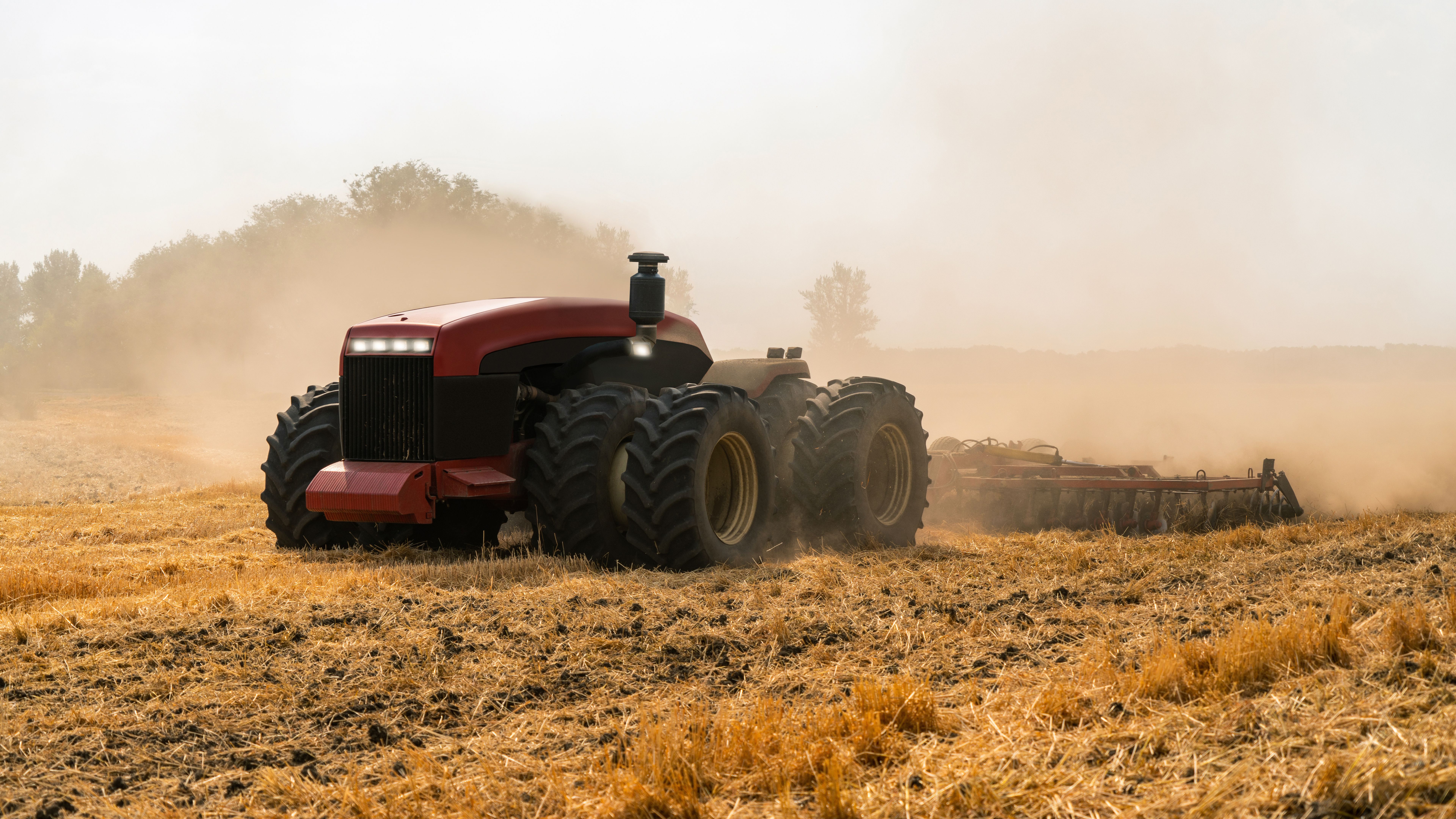
Autonomous tractors are another game-changer in modern agriculture. These driverless machines can plow, seed, and fertilize fields with precision. By using GPS and real-time data, they optimize field coverage, reducing waste and improving yields. This technology not only saves time but also reduces the need for skilled labor.
Precision Agriculture
Drone Technology
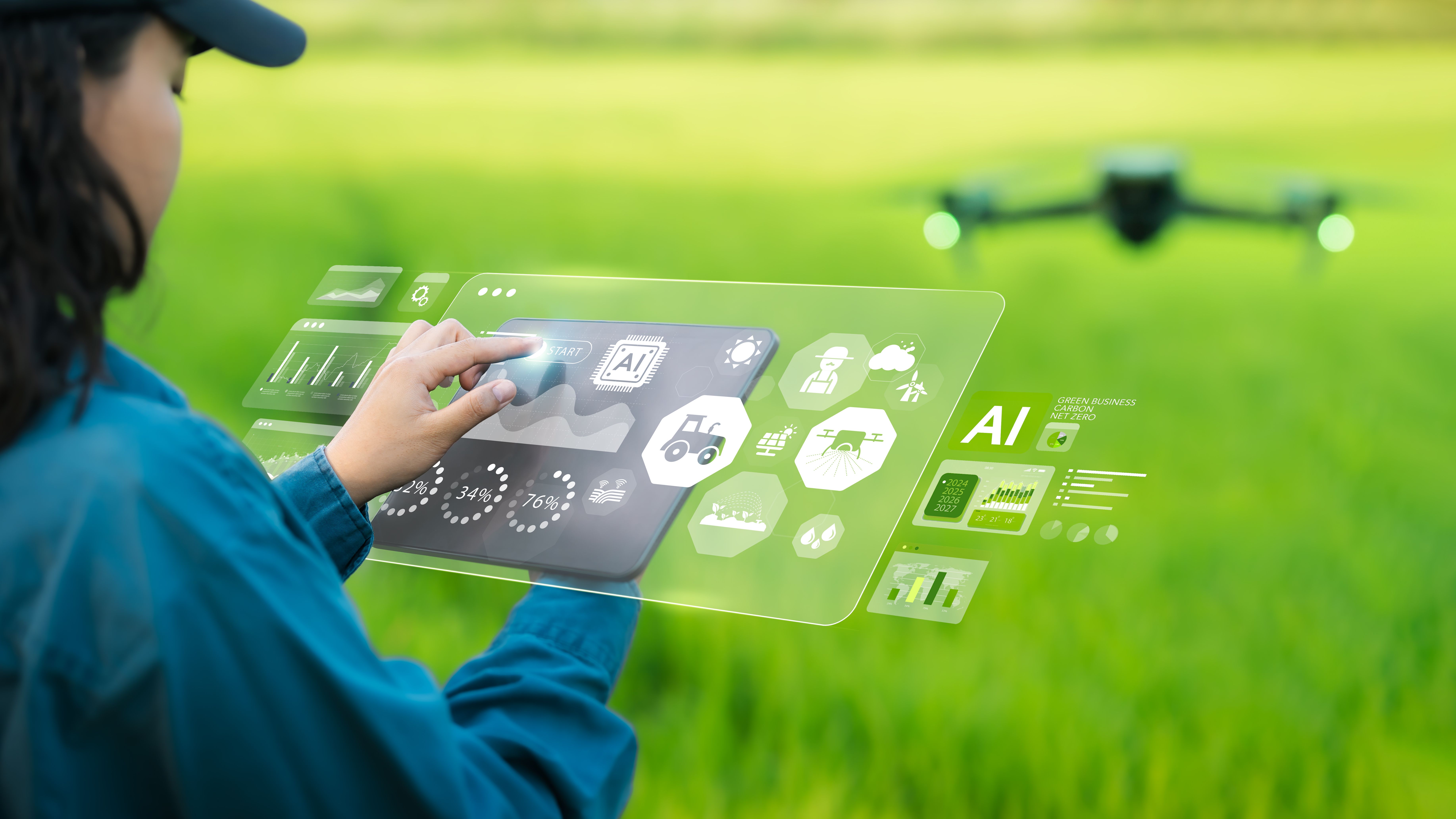
Drones are increasingly used in agriculture for monitoring crop health and soil conditions. Equipped with multispectral cameras, drones provide farmers with detailed images that help in assessing irrigation needs and pest infestations. This aerial perspective allows for precision agriculture, leading to more targeted interventions.
Soil and Crop Sensors
Soil and crop sensors are integral to precision farming. These sensors provide real-time data on soil moisture, nutrient levels, and crop health. By analyzing this data, farmers can make informed decisions about irrigation and fertilization, enhancing both crop quality and yield.
Challenges and Opportunities
While agricultural robotics offers numerous benefits, there are challenges to consider. High initial costs and the need for technical expertise can be barriers for small-scale farmers. However, as technology advances and becomes more accessible, these barriers are likely to diminish.
- Opportunities for Innovation: Continued research and development in robotics can lead to more efficient and affordable solutions.
- Environmental Benefits: Robotics can contribute to sustainable farming practices by reducing chemical usage and improving resource management.
The Road Ahead
The future of farming is undeniably intertwined with technology. As agricultural robotics continues to evolve, farmers will be better equipped to meet the demands of a growing population. By embracing these innovations, the agricultural sector can look forward to a more sustainable and productive future.