The Future of Harvesting: How Automation Tools Are Transforming Agriculture


Introduction to Agricultural Automation
The agricultural industry is undergoing a significant transformation, driven by the integration of automation tools. These technological advancements are revolutionizing the way farmers harvest crops, enhancing efficiency, and ensuring sustainability. As the global population continues to grow, the demand for food increases, making automation not just beneficial but essential.
The Rise of Smart Machinery
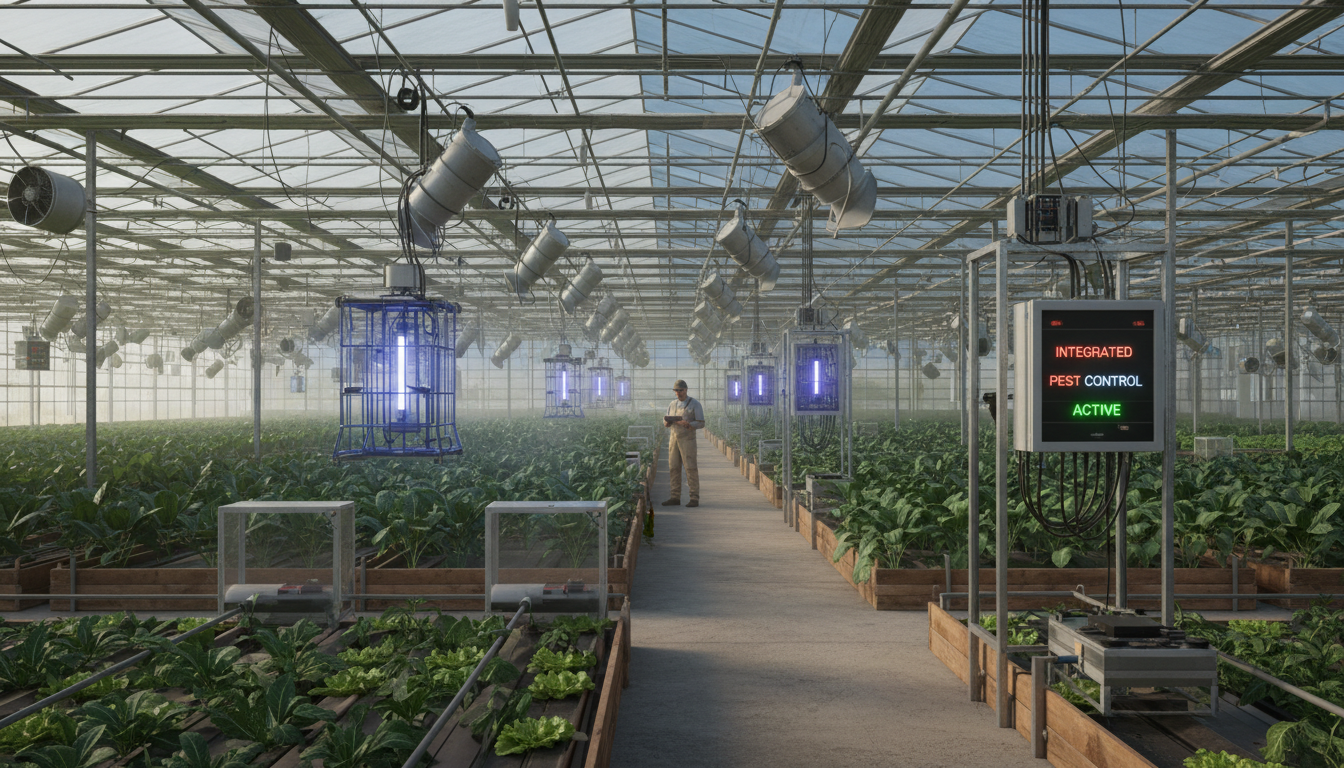
One of the most profound changes in agriculture is the introduction of smart machinery. These machines are equipped with sensors and GPS technology, allowing them to operate autonomously. Farmers can now rely on tractors and harvesters that navigate fields with precision, minimizing waste and maximizing yield.
Smart machinery is designed to adapt to various conditions, making it versatile for different types of crops and terrains. This adaptability ensures that the harvesting process is efficient regardless of external factors, such as weather changes.
Data-Driven Decision Making
Automation tools are not just about physical machinery; they also include software that provides farmers with valuable insights. By analyzing data collected from the fields, farmers can make informed decisions about planting, watering, and harvesting. This data-driven approach optimizes resource use and boosts productivity.
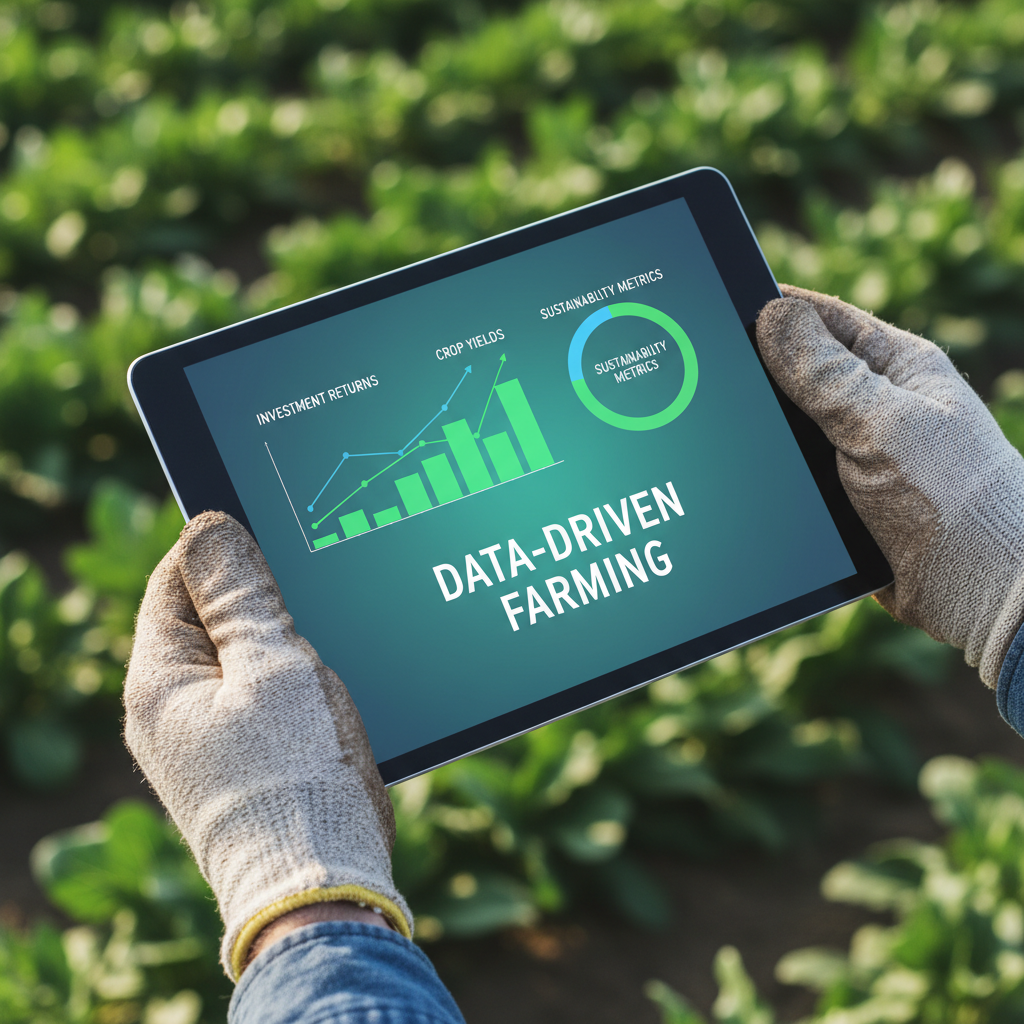
With predictive analytics, farmers can anticipate challenges such as pest infestations or droughts and take proactive measures. This preventative strategy reduces losses and enhances crop quality, ensuring a more reliable food supply.
Robotics in Harvesting
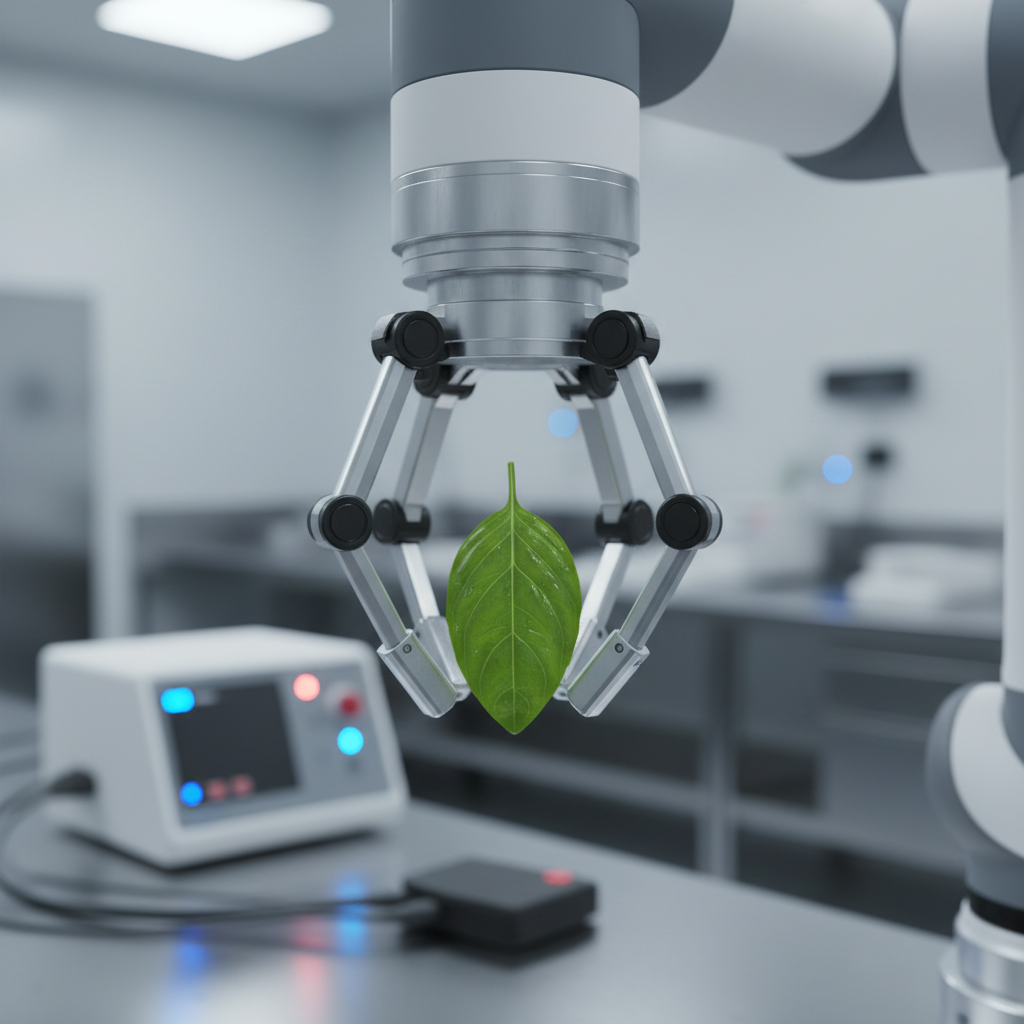
Robots are becoming increasingly prevalent in agriculture, especially in the harvesting stage. These automated systems can pick fruits and vegetables with precision, reducing the need for manual labor and decreasing the risk of damage to produce. Robots can work around the clock, further increasing efficiency and output.
In addition, robotic technology helps address labor shortages in the agricultural sector. With fewer people available to perform manual harvesting, robots fill the gap, ensuring that crops are harvested on time and with care.
Sustainability and Environmental Impact
The integration of automation tools in agriculture also contributes to sustainability. Precision farming techniques lead to the optimal use of water and fertilizers, reducing environmental impact. Automated systems help minimize soil erosion and degradation, supporting long-term agricultural health.
Moreover, these technologies enable farmers to reduce their carbon footprint. By optimizing machinery use and reducing resource waste, automation supports more eco-friendly farming practices.
Challenges and Considerations
While the benefits of automation in agriculture are clear, there are challenges to consider. The initial cost of implementing these technologies can be high, which may be a barrier for small-scale farmers. Additionally, there is a learning curve associated with adopting new technologies.
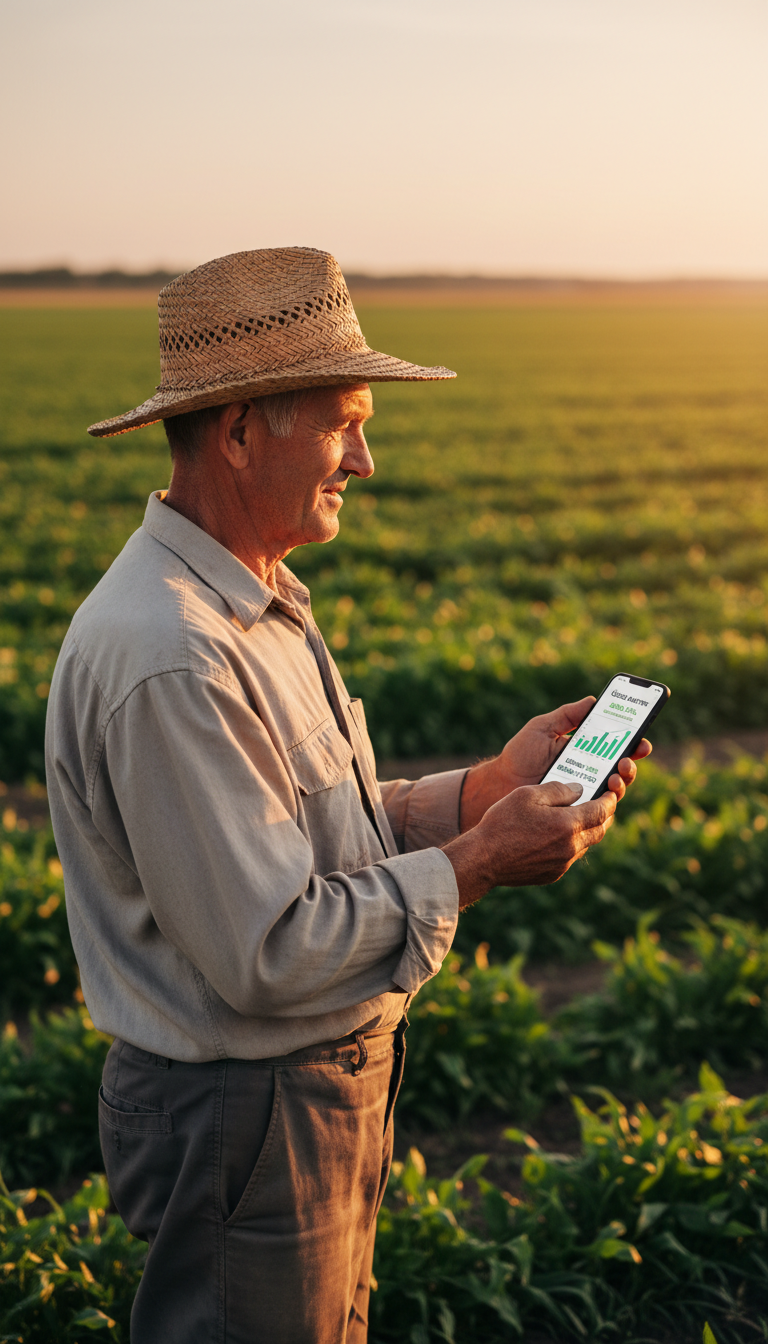
However, as technology continues to evolve, costs are expected to decrease, and training resources are becoming more accessible. Governments and organizations are also stepping in to support farmers in this transition, offering subsidies and educational programs.
Conclusion
The future of harvesting is undoubtedly intertwined with automation. As technology advances, it promises to enhance efficiency, sustainability, and productivity in agriculture. By embracing these changes, the farming industry can better meet the growing global demand for food, ensuring a secure and sustainable future for all.