The Future of Precision Farming: How Robotic Systems are Revolutionizing Agriculture


In recent years, the agriculture industry has seen a remarkable transformation, primarily due to the integration of advanced technology. One of the most significant developments in this arena is precision farming, which utilizes technology to optimize field-level management regarding crop farming. At the forefront of this revolution are robotic systems, reshaping how farmers approach their work and manage their resources.
The Rise of Precision Farming
Precision farming, also known as precision agriculture, involves using technology to monitor and manage field variations in crops. This approach ensures that crops receive exactly what they need for optimal growth, minimizing waste and maximizing yields. The integration of data-driven tools with traditional farming methods has led to greater efficiency and sustainability.
Robotic systems, including drones and autonomous machinery, are at the heart of precision farming. These systems gather real-time data, allowing farmers to make informed decisions about planting, watering, and harvesting. By utilizing these technologies, farmers can increase productivity while reducing their environmental impact.
Robotic Systems in Action
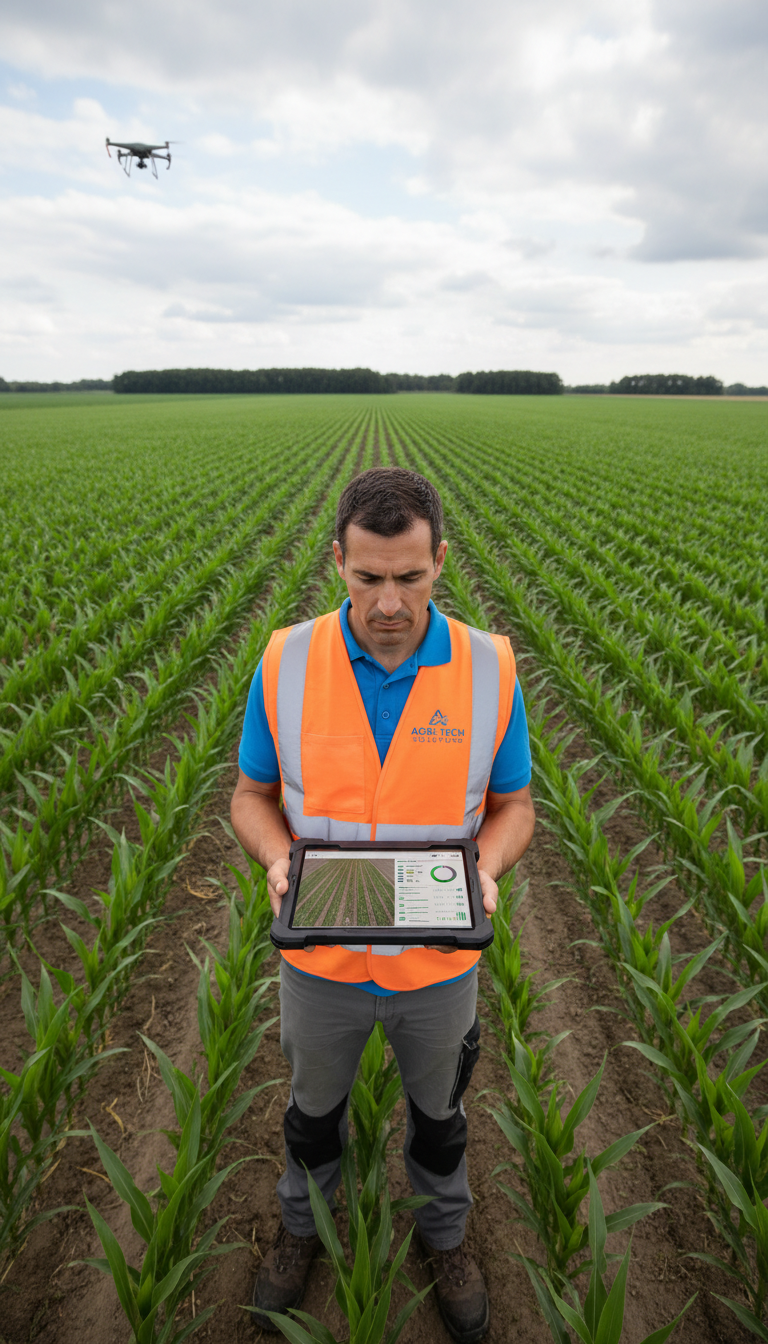
Robotic systems in agriculture come in various forms, each serving a unique purpose. Drones, for instance, are used for aerial surveys of fields, providing detailed images and data on crop health. These insights help farmers identify areas requiring attention, whether it's adjusting irrigation or addressing pest infestations.
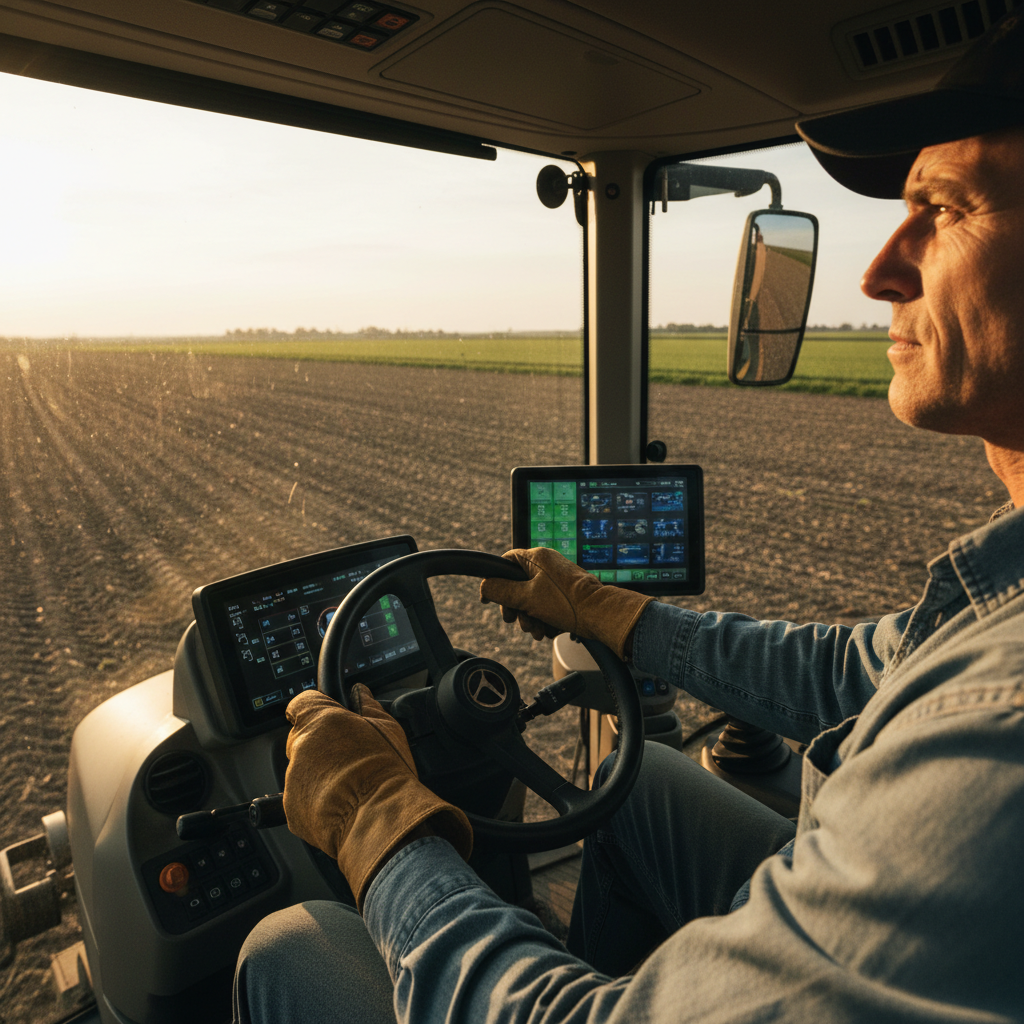
Autonomous tractors and harvesters represent another critical advancement. These machines can operate independently, following pre-programmed routes to plant seeds, apply fertilizers, and harvest crops. This automation reduces the need for manual labor and increases operational efficiency, allowing farmers to focus on other essential tasks.
Benefits of Robotic Systems
The introduction of robotic systems in agriculture offers several advantages. Firstly, they significantly reduce labor costs. By automating repetitive tasks, farmers can allocate their resources more effectively, focusing on strategic planning and analysis rather than manual labor.
Additionally, these technologies improve the precision and accuracy of farming practices. Sensors and data analytics enable farmers to monitor soil conditions, crop health, and weather patterns, ensuring that resources are used efficiently. This level of precision leads to healthier crops and increased yields.
Challenges and Considerations
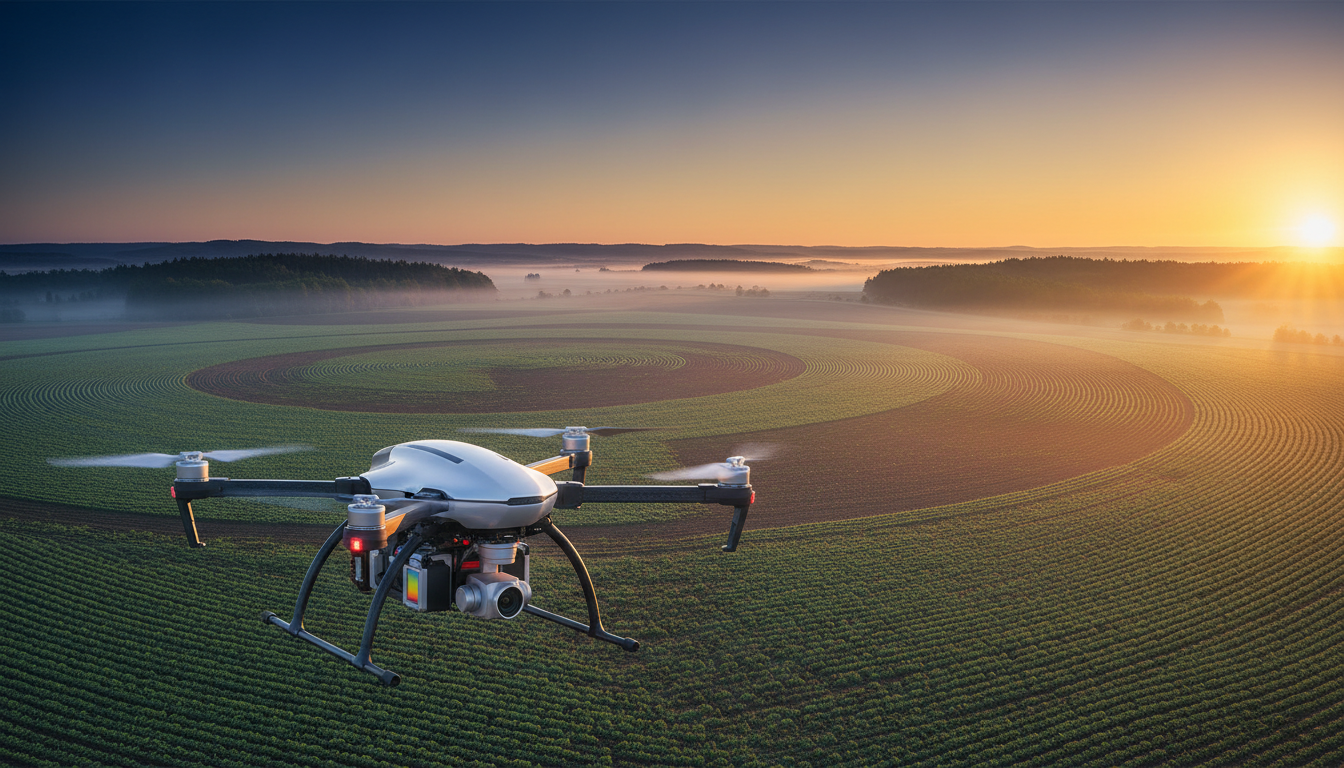
Despite the numerous benefits, the adoption of robotic systems in agriculture is not without challenges. The initial investment in technology can be high, which may be a barrier for smaller farms. Moreover, there is a learning curve associated with implementing and maintaining these systems.
Farmers must also consider the integration of new technology with existing practices. Successful implementation requires a comprehensive understanding of both the technology and the environmental factors affecting crop growth. Continuous training and support are crucial for maximizing the benefits of robotic systems.
The Future of Farming
As technology continues to advance, the future of precision farming looks promising. Innovations in artificial intelligence and machine learning are expected to further enhance the capabilities of robotic systems, providing even more accurate data and predictions. These developments will enable farmers to make smarter, data-driven decisions, fostering sustainable and efficient agricultural practices.
Moreover, as the global population grows, the demand for food will increase. Precision farming, powered by robotic systems, will play a critical role in meeting this demand by ensuring higher productivity and sustainability. The ongoing collaboration between technology developers and the agricultural community will be key to unlocking the full potential of these innovations.