The Future of Robotic Farming Innovations: Trends to Watch


The agricultural landscape is undergoing a profound transformation, driven by advancements in robotic farming. As technology continues to evolve, farmers are increasingly adopting robotic solutions to enhance efficiency, sustainability, and productivity. Here, we explore the key trends shaping the future of robotic farming innovations.
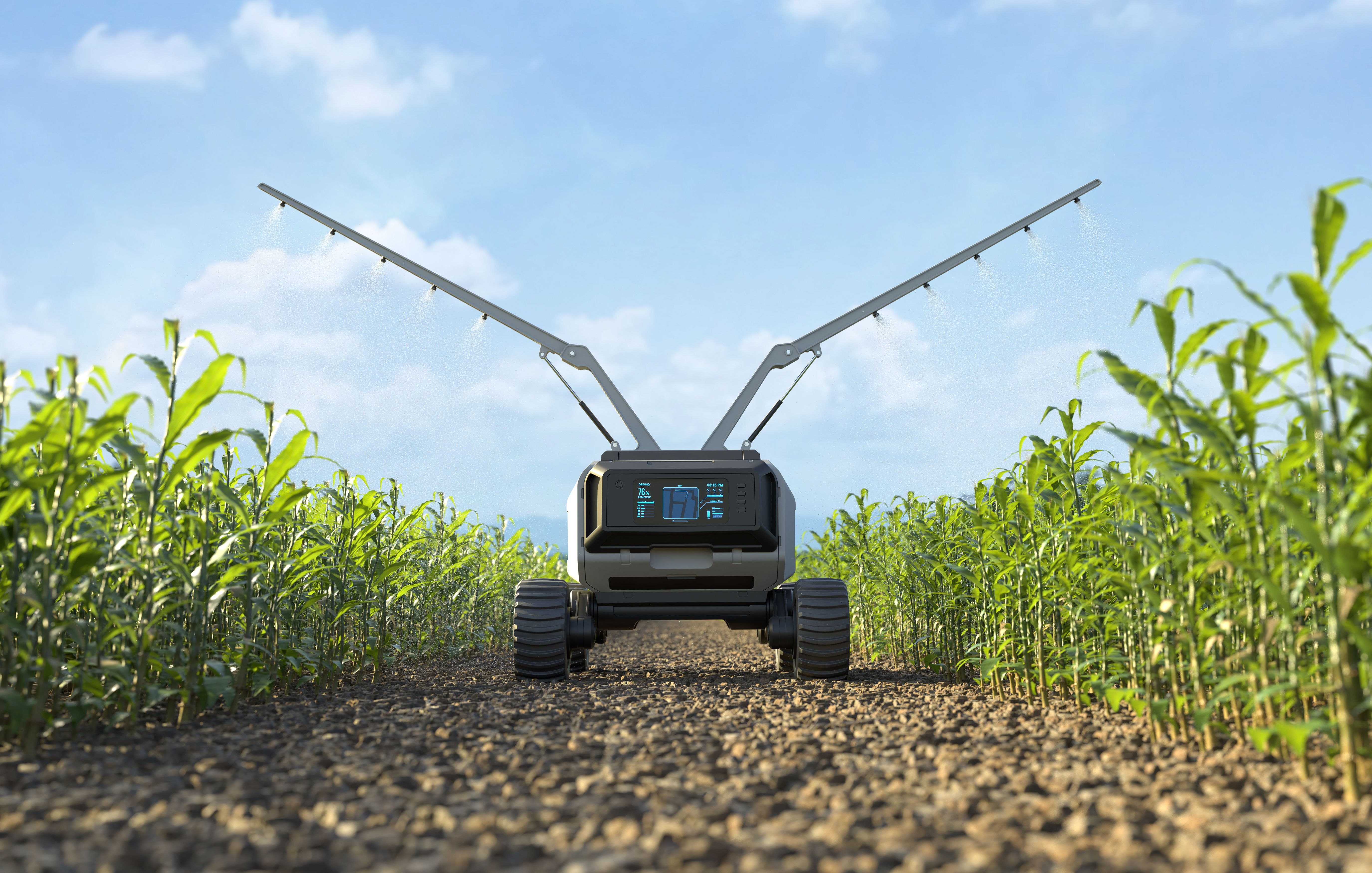
Automation in Crop Management
One of the most significant advancements in robotic farming is the automation of crop management. Robots equipped with sensors and AI capabilities can monitor crop health, identify diseases, and even apply fertilizers and pesticides with precision. This level of automation minimizes the need for manual intervention, reducing labor costs and improving yield quality.
Furthermore, these robots can operate 24/7, providing continuous monitoring and care for crops. This ensures that plants receive the right amount of water and nutrients at the right time, leading to healthier and more productive farms.
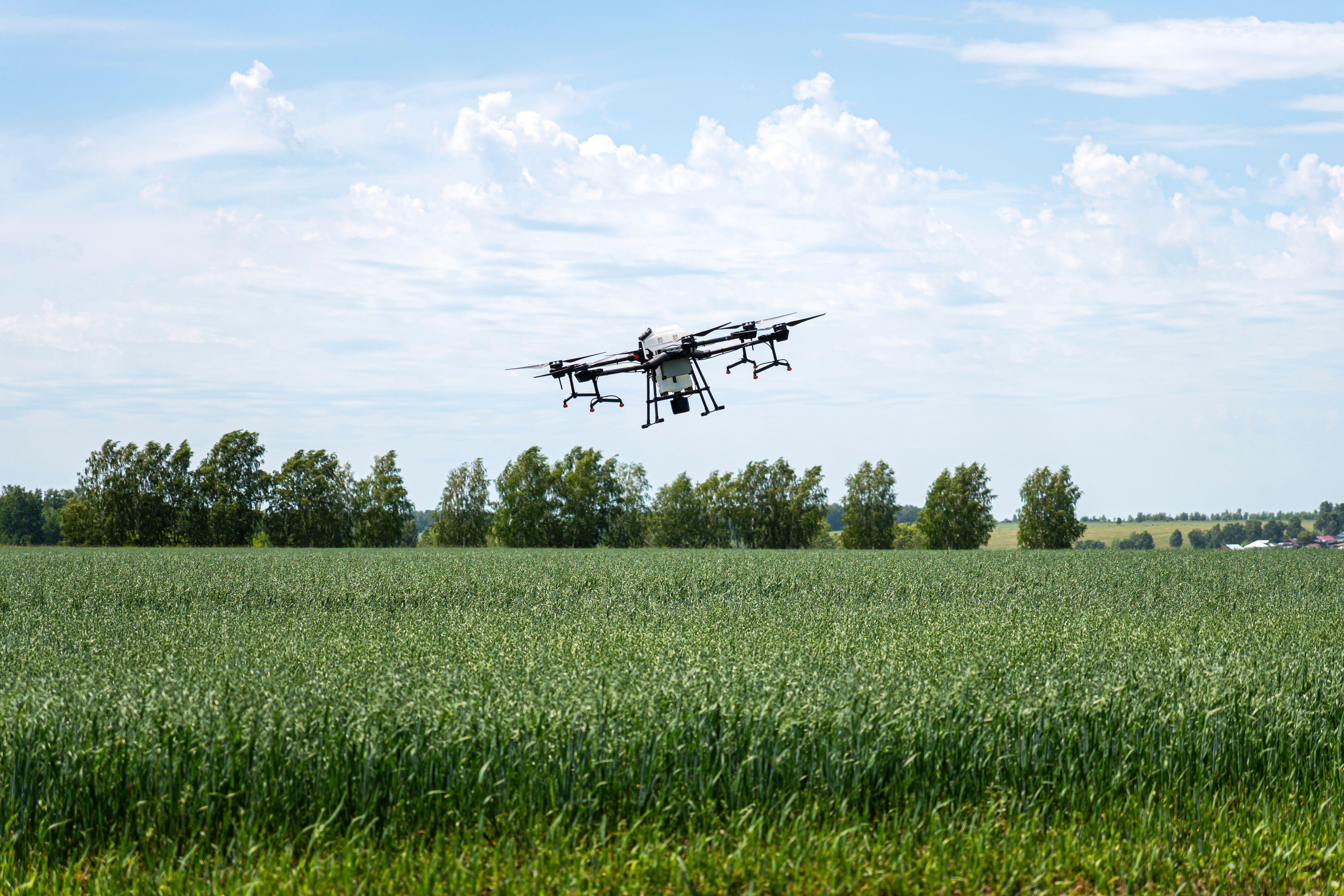
Precision Agriculture with Drones
Drones have become an integral part of modern farming practices. Equipped with cameras and sensors, drones can capture high-resolution images of fields, providing farmers with valuable data on crop conditions. This information can be used to make informed decisions about irrigation, fertilization, and pest control.
Additionally, drones can cover large areas quickly, offering a cost-effective solution for monitoring expansive fields. The real-time data collected by drones allows for swift responses to potential issues, enhancing overall farm management and productivity.
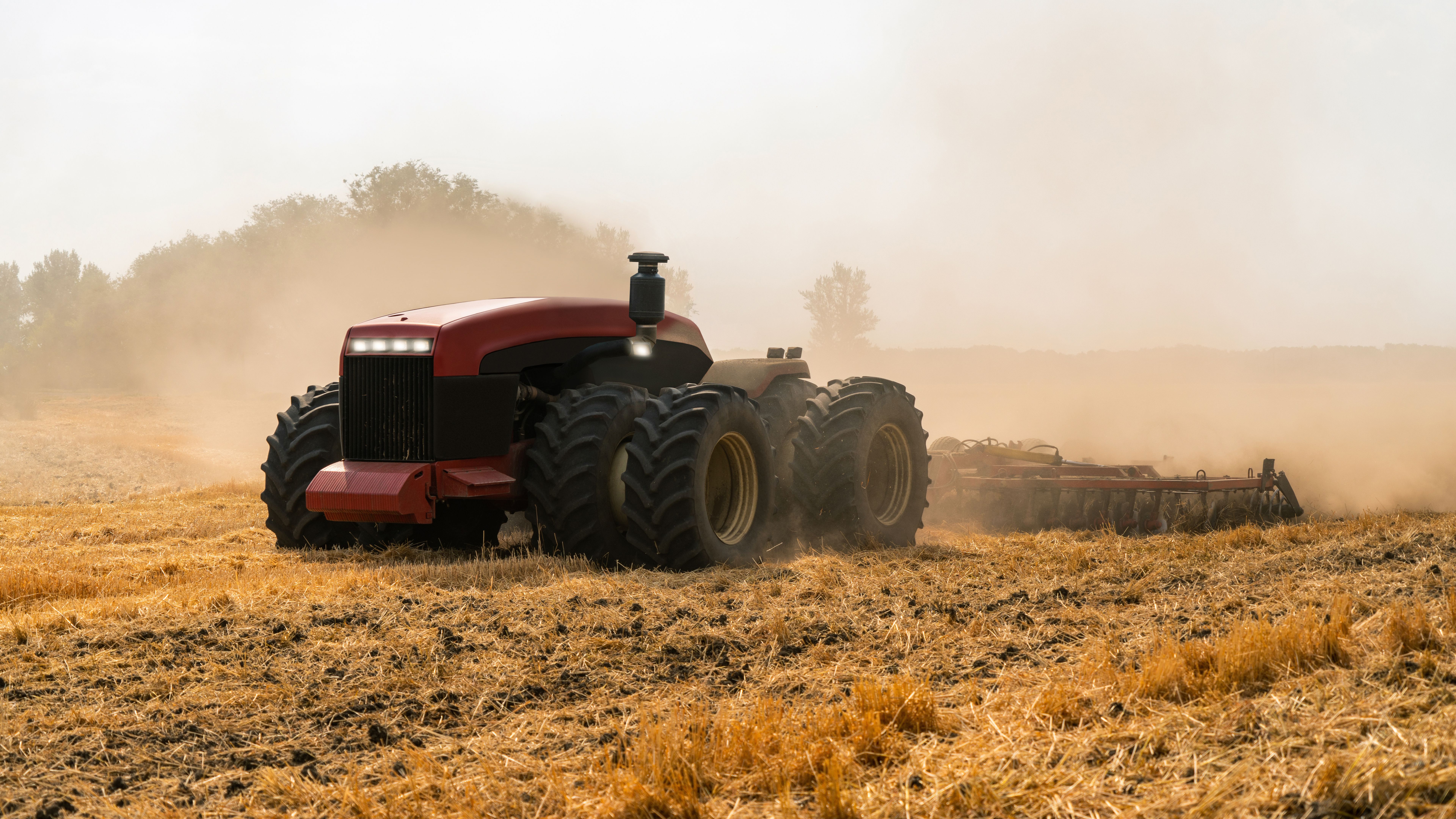
Autonomous Farm Vehicles
Autonomous tractors and harvesters are revolutionizing the way farming tasks are performed. These vehicles use GPS and advanced algorithms to navigate fields without human intervention. They can perform tasks such as planting, plowing, and harvesting with high precision, reducing waste and optimizing resource use.
The integration of autonomous vehicles not only increases efficiency but also addresses labor shortages in the agricultural sector, allowing farmers to focus on strategic tasks rather than manual labor.
Environmental Sustainability
Robotic farming innovations are also contributing to environmental sustainability. Precision agriculture techniques ensure that resources such as water, fertilizers, and pesticides are used efficiently, minimizing waste and reducing environmental impact.
By optimizing resource use, robotic farming helps in conserving natural resources and supports sustainable agricultural practices. This is crucial in addressing the challenges posed by climate change and ensuring food security for future generations.
Challenges and Opportunities
While the potential of robotic farming is immense, there are challenges to overcome. High initial costs, technological complexities, and the need for skilled workers to manage these systems can be barriers to widespread adoption.
However, with continued research and development, these challenges are gradually being addressed. As technology becomes more accessible and affordable, the opportunities for farmers to leverage robotic innovations will only grow.
The Road Ahead
The future of farming is undoubtedly intertwined with technological advancements. As robotic farming continues to evolve, it promises to transform agriculture into a more efficient, sustainable, and productive industry.
Farmers, researchers, and technology developers must collaborate to harness the full potential of these innovations. By doing so, they can ensure a prosperous future for agriculture, meeting the demands of a growing global population.