The Future of Robotic Farming Innovations: What's Next for Precision Agriculture


The Rise of Robotic Farming
In recent years, robotic farming has emerged as a groundbreaking innovation in precision agriculture. With the global population continuing to grow, the demand for efficient and sustainable farming practices is more pressing than ever. Robotic solutions provide farmers with tools to increase yield while minimizing environmental impact.
These robots are equipped with advanced sensors and AI technologies, enabling them to perform tasks such as planting, watering, and harvesting with remarkable accuracy. This not only improves productivity but also reduces the reliance on manual labor.
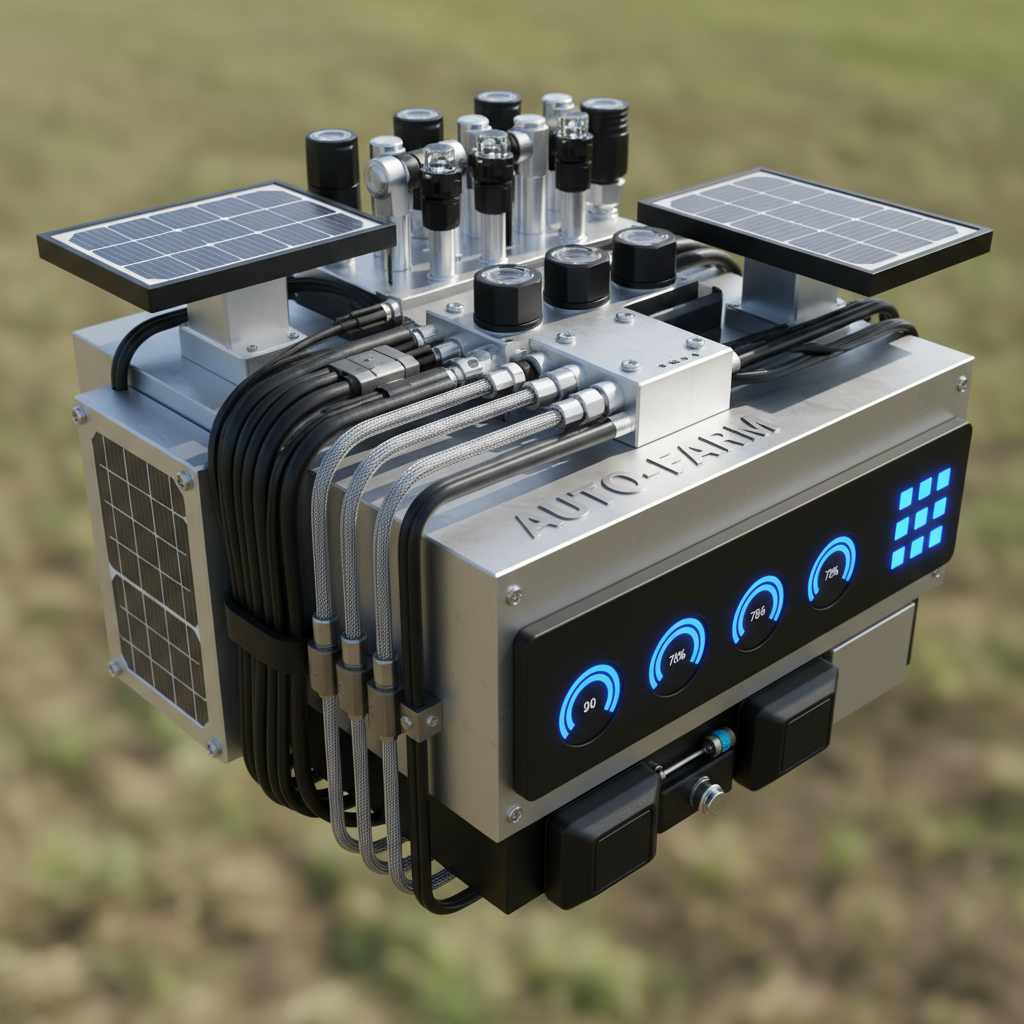
Precision Agriculture: A Game Changer
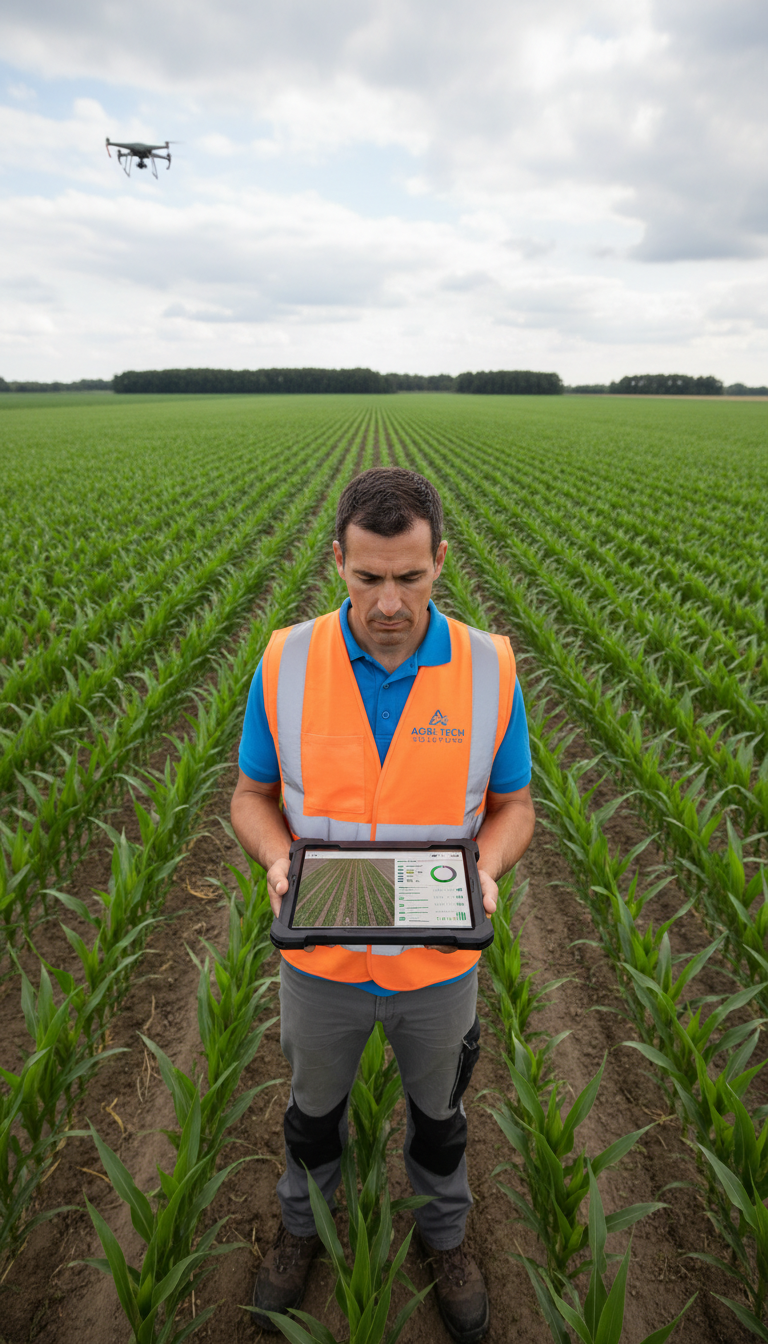
Precision agriculture involves using technology to monitor and manage the variability in crops, optimizing inputs like water, fertilizers, and pesticides. Robotic systems play a crucial role in collecting and analyzing data, allowing farmers to make informed decisions.
Through the integration of GPS and IoT, these systems can map fields with precision, identifying areas that need more attention. This approach reduces waste and promotes sustainable farming practices.
Innovations on the Horizon
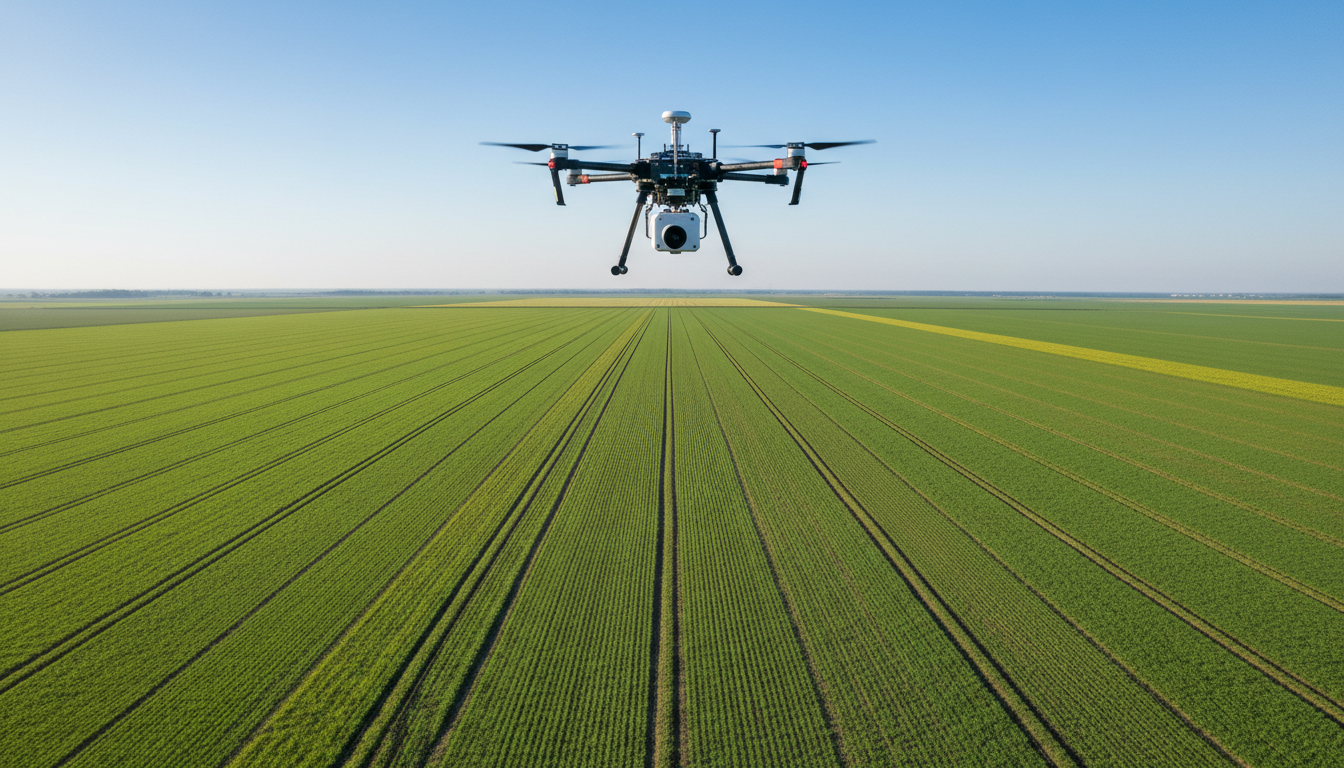
The future of robotic farming is not just about current technologies but also about what lies ahead. Innovations in machine learning and autonomous vehicles are set to revolutionize the industry further. Imagine drones equipped with multispectral cameras surveying entire fields in minutes.
Moreover, advancements in robotics will lead to machines that can adapt to different environments, further enhancing their efficiency and scope. These innovations promise to make farming more adaptable to climate change and other environmental challenges.
Challenges and Opportunities
While the potential of robotic farming is immense, there are challenges that need to be addressed. High initial costs and the need for specialized knowledge to operate these technologies can be barriers for small-scale farmers.
However, as technology advances and becomes more affordable, these barriers are likely to diminish. Governments and private sectors can play a significant role by providing subsidies and training programs to support farmers in adopting these innovations.
The Role of Policy and Regulation
As with any technological advancement, policy and regulation will play a critical role in shaping the future of robotic farming. Ensuring that these technologies are used ethically and sustainably is paramount.
Regulations will need to address issues such as data privacy, environmental impact, and the safe integration of autonomous vehicles in farming practices. Collaboration between stakeholders will be essential to create frameworks that promote innovation while safeguarding public interest.
Conclusion: Embracing the Future
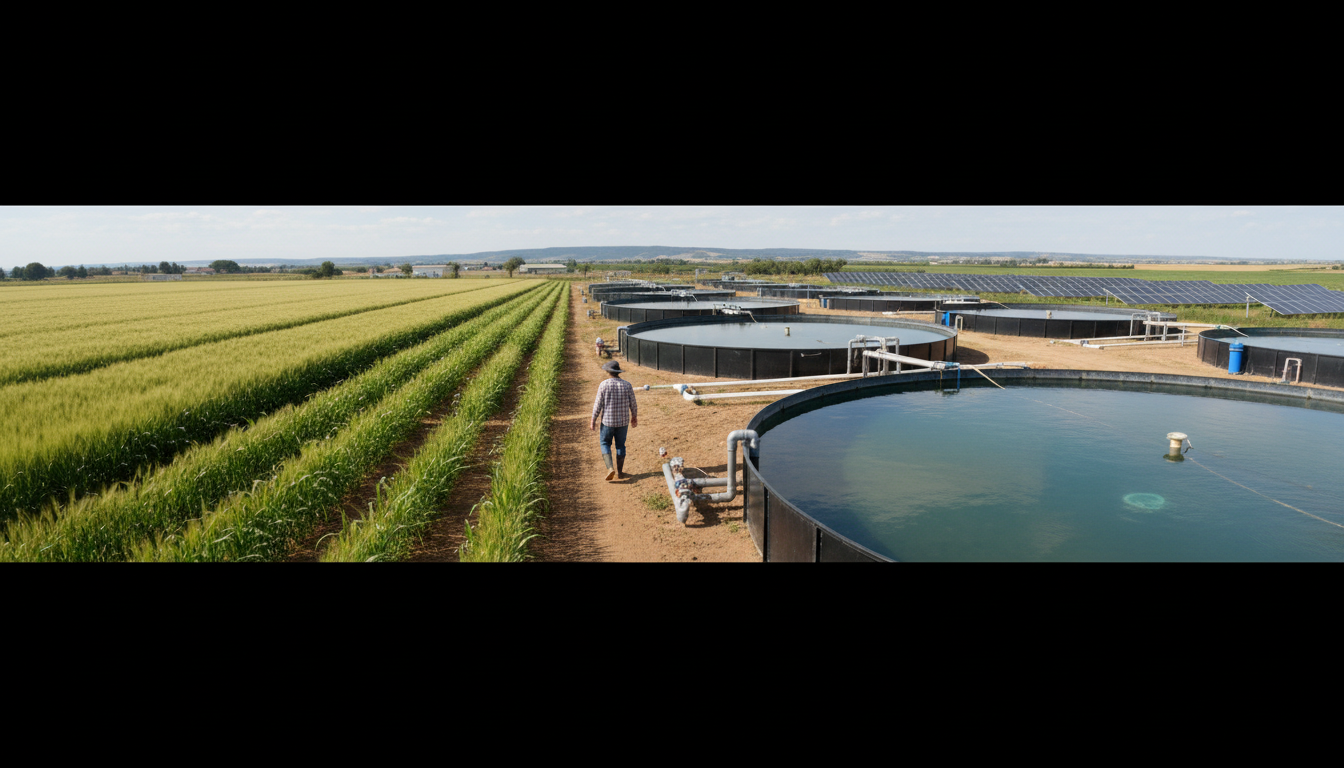
The future of robotic farming innovations is bright and full of potential. As we continue to embrace these technologies, the agricultural sector is poised to become more efficient, sustainable, and responsive to global needs.
By overcoming current challenges and fostering collaboration among farmers, technologists, and policymakers, we can ensure that the benefits of precision agriculture are realized by all. The journey towards a more sustainable future in farming has just begun, and it holds promise for generations to come.