The Future of Robotic Farming Innovations: What to Expect


As the world population continues to grow, the demand for food is increasing at an unprecedented rate. Traditional farming methods are being pushed to their limits, making the need for innovation in agriculture more pressing than ever. Enter robotic farming, a technological evolution poised to revolutionize how we cultivate our crops.
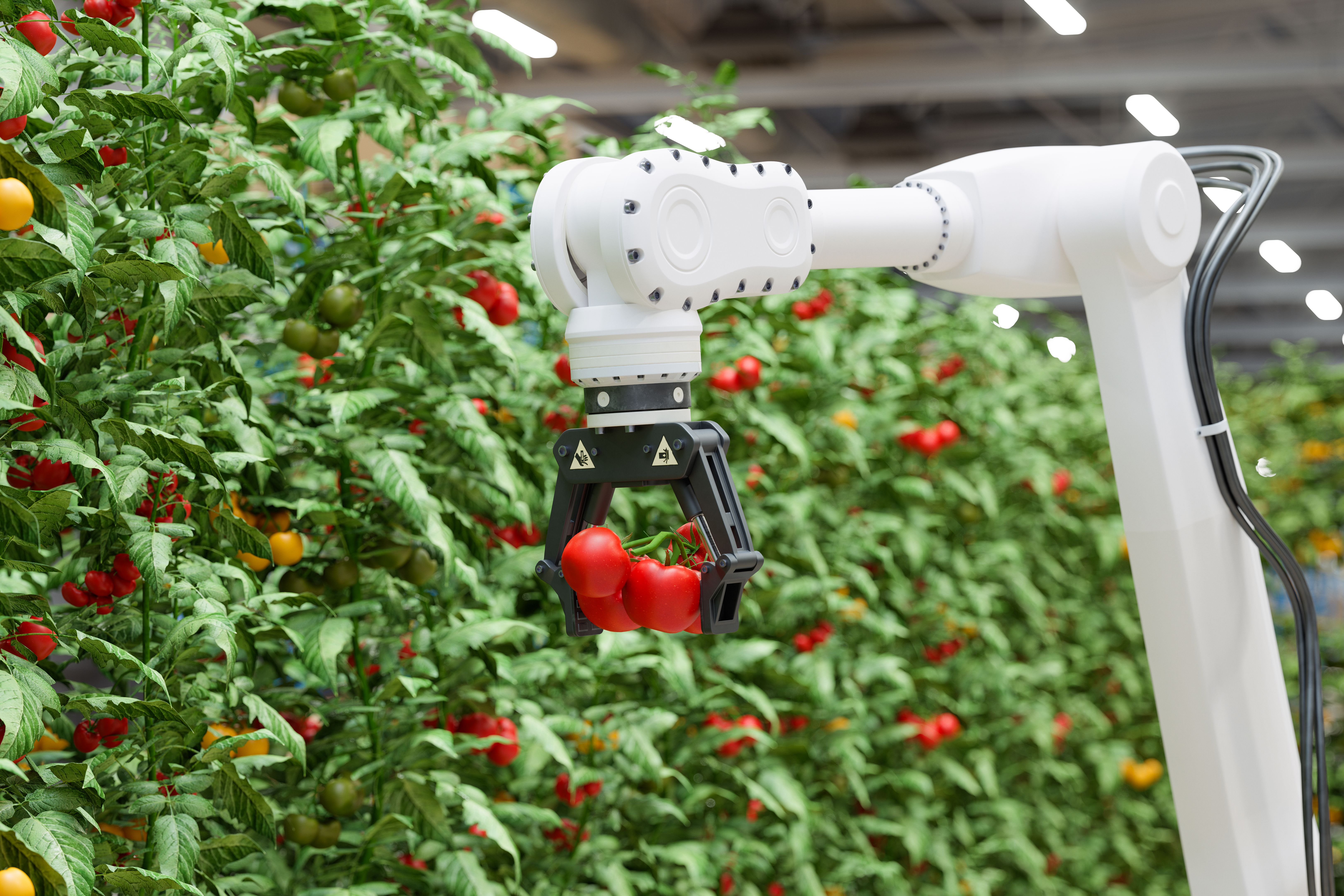
Advancements in Automation
Robotic farming is rapidly advancing due to breakthroughs in automation technology. Modern robots are equipped with sophisticated sensors and AI capabilities, allowing them to perform tasks with precision and efficiency. These machines can plant, water, and harvest crops with minimal human intervention, reducing the need for manual labor.
One key advantage of automation is the ability to operate around the clock. Robots can work tirelessly day and night, optimizing productivity and ensuring that farming operations are always running smoothly. This continuous operation is crucial for maximizing yield and meeting global food demands.
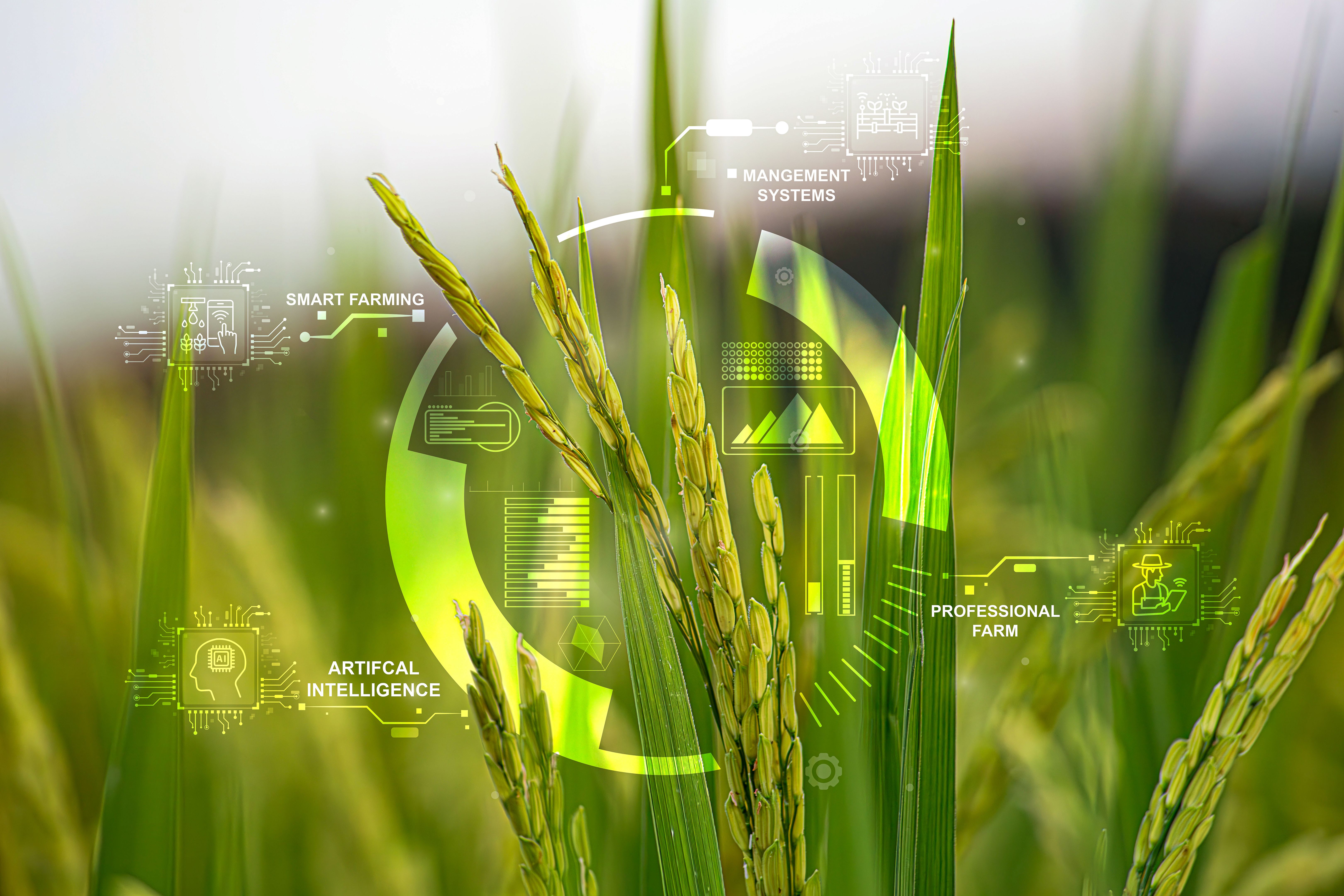
Precision Agriculture
Precision agriculture is another significant trend within robotic farming. This approach utilizes data analytics and GPS technology to manage fields at a micro-level. By analyzing soil conditions, weather patterns, and crop health, farmers can make informed decisions that enhance crop yield and sustainability.
Robots equipped with precision agriculture tools can target specific areas of a field that need attention, such as applying fertilizers or pesticides only where necessary. This targeted approach not only conserves resources but also minimizes environmental impact.
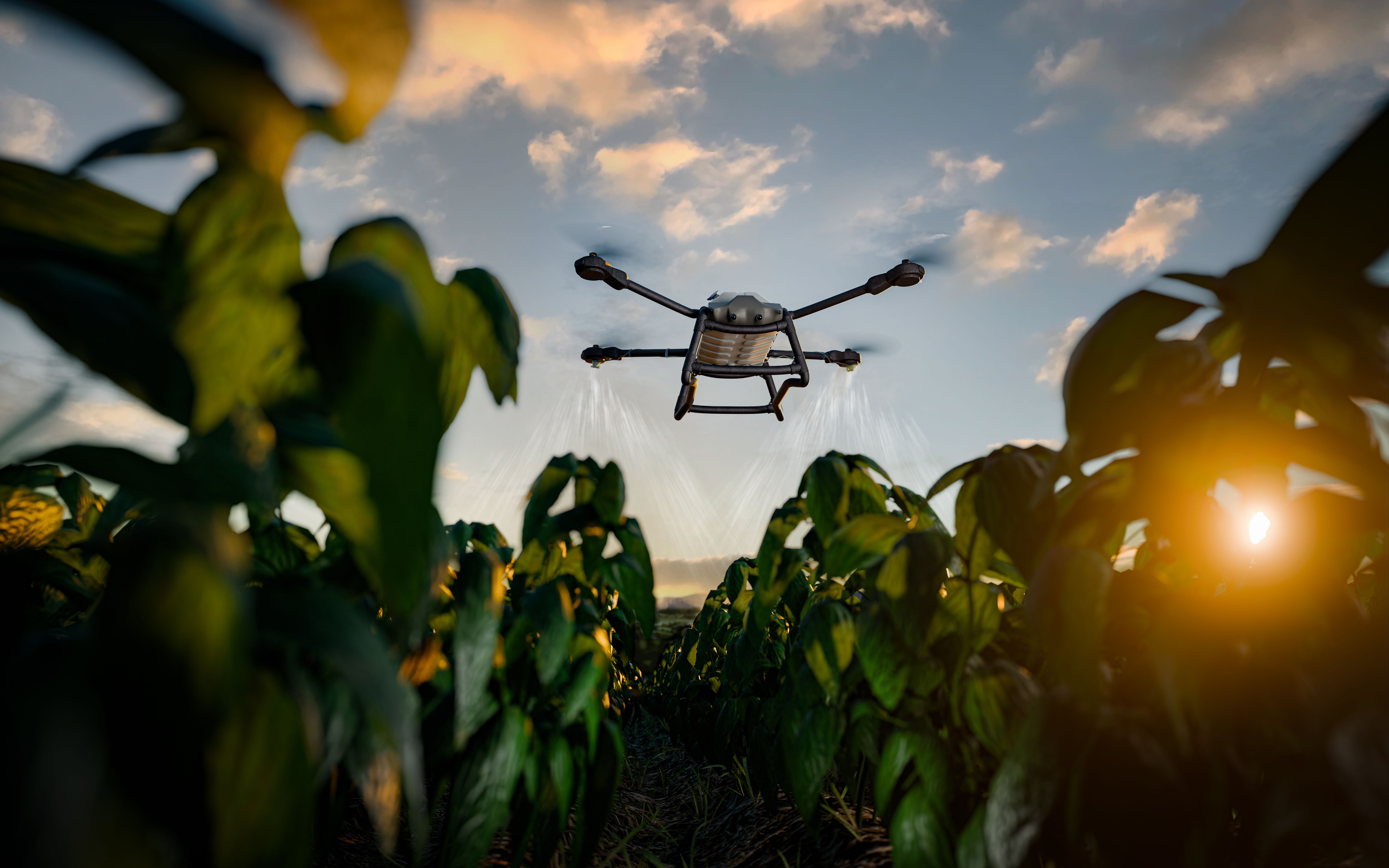
Drone Technology in Farming
Drones are becoming increasingly prevalent in the agricultural sector. These flying robots provide farmers with real-time aerial views of their fields, helping to monitor crop growth and detect any issues early on. Drones can also be used to spray fertilizers and pesticides, reaching areas that might be difficult for traditional machinery.
Utilizing drones in farming can lead to more efficient use of resources and quicker response times to potential problems, thereby improving overall crop management.
Challenges and Considerations
While the future of robotic farming is promising, there are challenges to consider. The initial investment in robotic technology can be substantial, and farmers must weigh the costs against potential gains. Additionally, there is a learning curve associated with adopting new technologies, requiring training and adaptation.
However, as technology becomes more accessible and affordable, these barriers are expected to diminish, paving the way for more widespread adoption of robotic farming solutions.
The Impact on Labor
The rise of robotic farming raises questions about its impact on agricultural labor. While robots can handle repetitive and labor-intensive tasks, there will still be a need for skilled workers to manage and maintain these technologies. This shift may lead to the creation of new job opportunities in tech support and data analysis within the farming industry.
Overall, robotic farming has the potential to enhance productivity and sustainability, ensuring food security for future generations. As these innovations continue to develop, they will play a crucial role in transforming agriculture and meeting the challenges of tomorrow.