The Role of Agricultural Robotics in Denver's Local Farming Community


In recent years, the integration of agricultural robotics has been a game-changer for farmers across the globe. Denver's local farming community is no exception, as it embraces these technological advancements to revolutionize traditional farming practices. The adoption of robotics in agriculture promises to enhance productivity, reduce labor costs, and promote sustainability.
Denver, known for its vibrant agricultural sector, is witnessing a transformation as farmers incorporate cutting-edge technology into their daily operations. These innovations are not only boosting efficiency but also paving the way for a more sustainable future in farming.
Enhancing Efficiency and Productivity
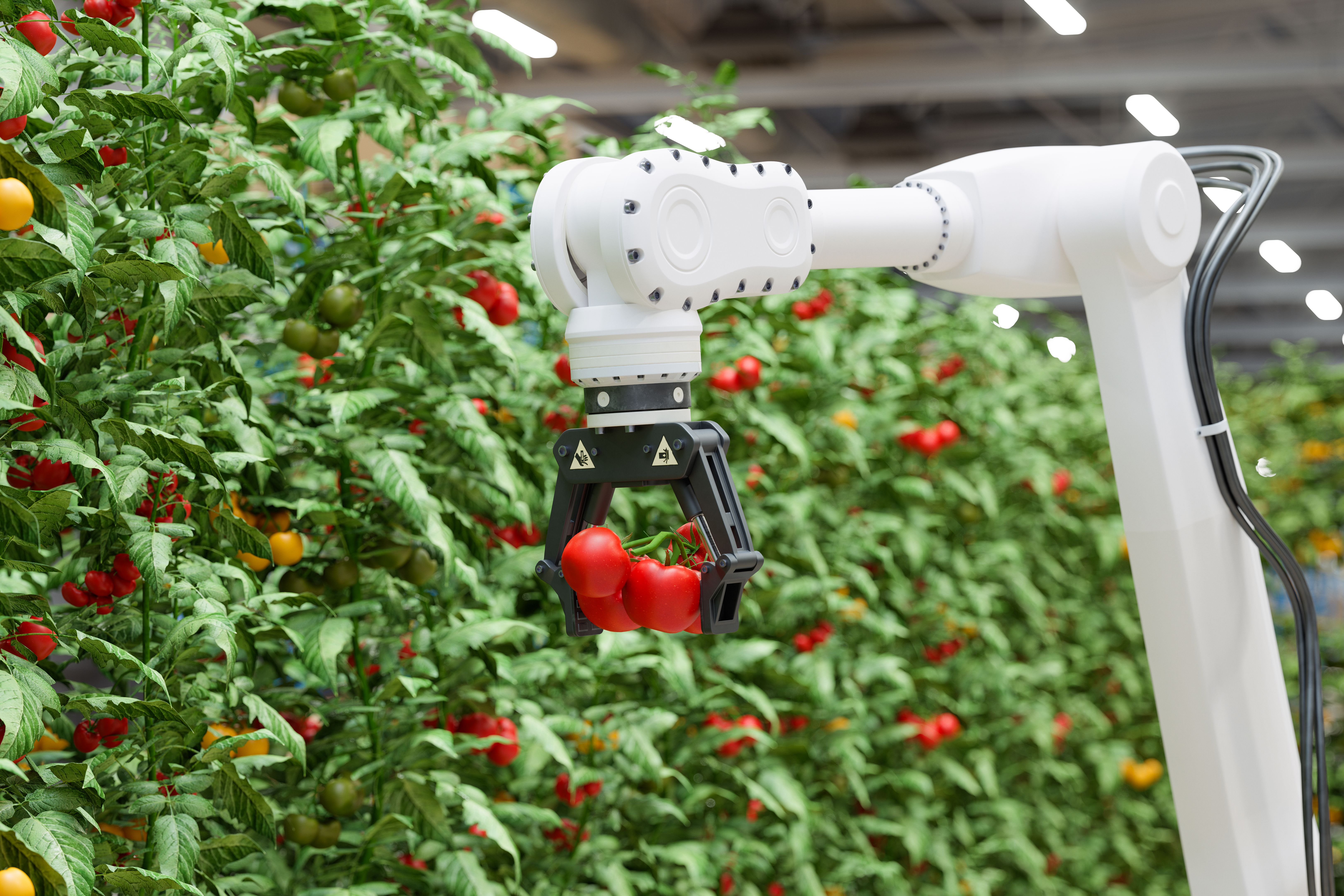
One of the primary benefits of agricultural robotics is the significant increase in efficiency and productivity. Robots are capable of performing repetitive tasks with precision, such as planting, watering, and harvesting. This allows farmers to focus on more strategic aspects of farming, such as crop management and market expansion.
With the help of robotics, Denver farmers can now manage larger plots of land with minimal labor. This is particularly important in a growing city where labor shortages can pose a challenge to local agriculture.
Precision Agriculture
Precision agriculture is another area where robotics play a crucial role. By utilizing GPS technology and advanced sensors, robots are able to monitor crop health, soil conditions, and weather patterns. This data-driven approach enables farmers to make informed decisions, optimizing resource use and minimizing waste.
Reducing Environmental Impact
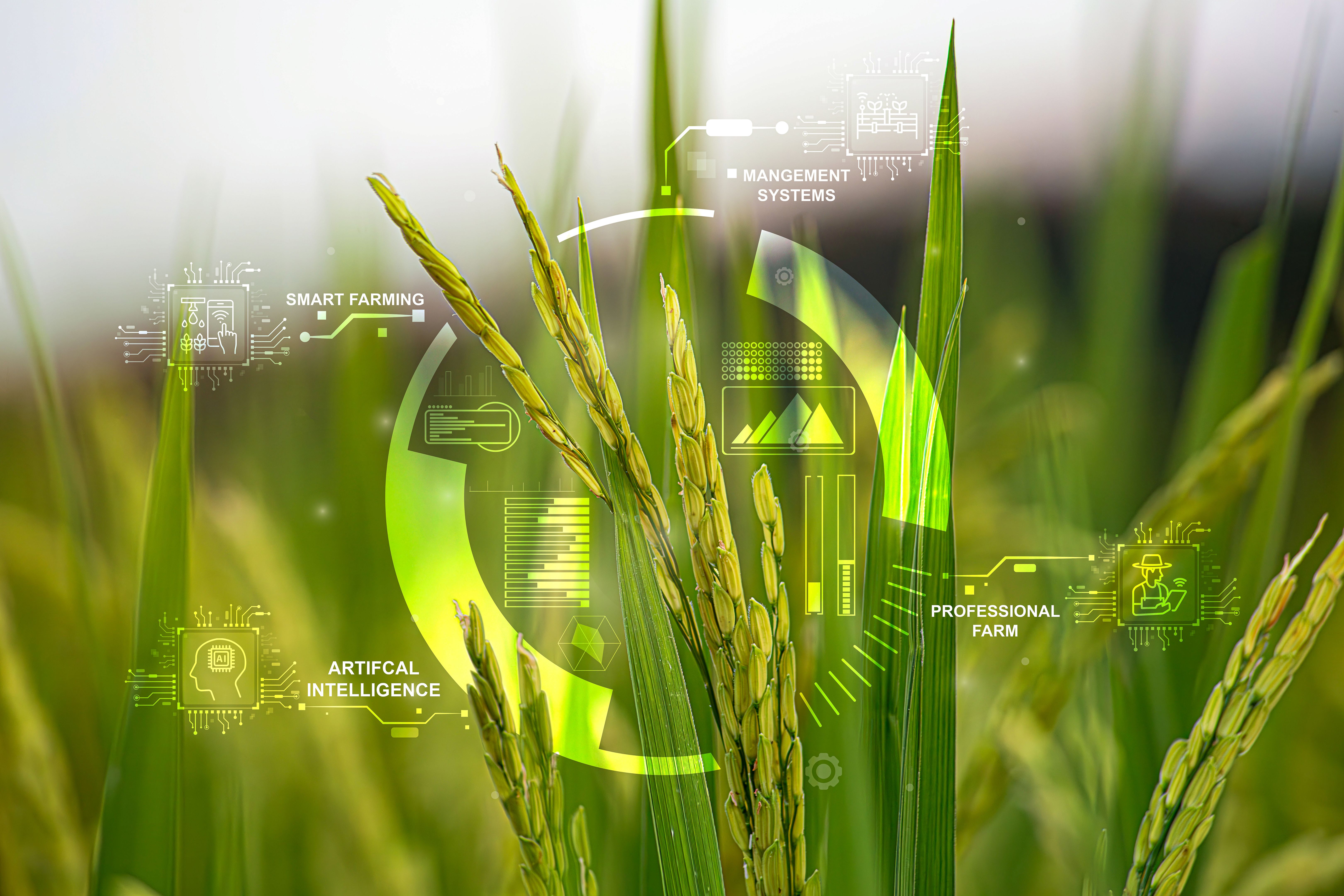
Environmental sustainability is a growing concern for many in the farming community. Agricultural robotics can help address this issue by reducing the need for chemical inputs and minimizing soil disruption. Automated systems can apply fertilizers and pesticides with pinpoint accuracy, reducing the overall environmental footprint of farming operations.
Moreover, the use of robotics in irrigation systems ensures that water is used efficiently, which is especially important in areas prone to drought. By conserving water resources, farmers contribute to the long-term sustainability of agriculture in the region.
Challenges and Considerations
While the benefits of agricultural robotics are clear, there are challenges that need to be addressed. The initial investment in robotics technology can be substantial, posing a barrier for small-scale farmers. Furthermore, there is a learning curve associated with integrating these technologies into existing farming practices.

To overcome these challenges, local governments and agricultural organizations in Denver are working to provide resources and training to help farmers transition to more automated systems. By fostering collaboration between tech companies and farmers, the community can ensure a smoother adaptation to these innovations.
The Future of Farming in Denver
The role of agricultural robotics in Denver’s farming community is set to grow as technology continues to advance. By embracing these innovations, Denver's farmers are positioning themselves at the forefront of modern agriculture, paving the way for a more efficient and sustainable future.
As more farmers adopt robotic solutions, the local community will likely see an increase in agricultural output and a reduction in environmental impact. This transformation not only benefits the farmers but also the consumers, who can enjoy fresher and more sustainably produced food.