Understanding the ROI of Robotic Farming Solutions in Denver


Introduction to Robotic Farming Solutions
As technological advancements continue to reshape various industries, agriculture is no exception. Robotic farming solutions have emerged as a transformative force, particularly in urban areas like Denver, where space and resources can be limited. These innovations promise to enhance productivity, sustainability, and profitability for farmers.
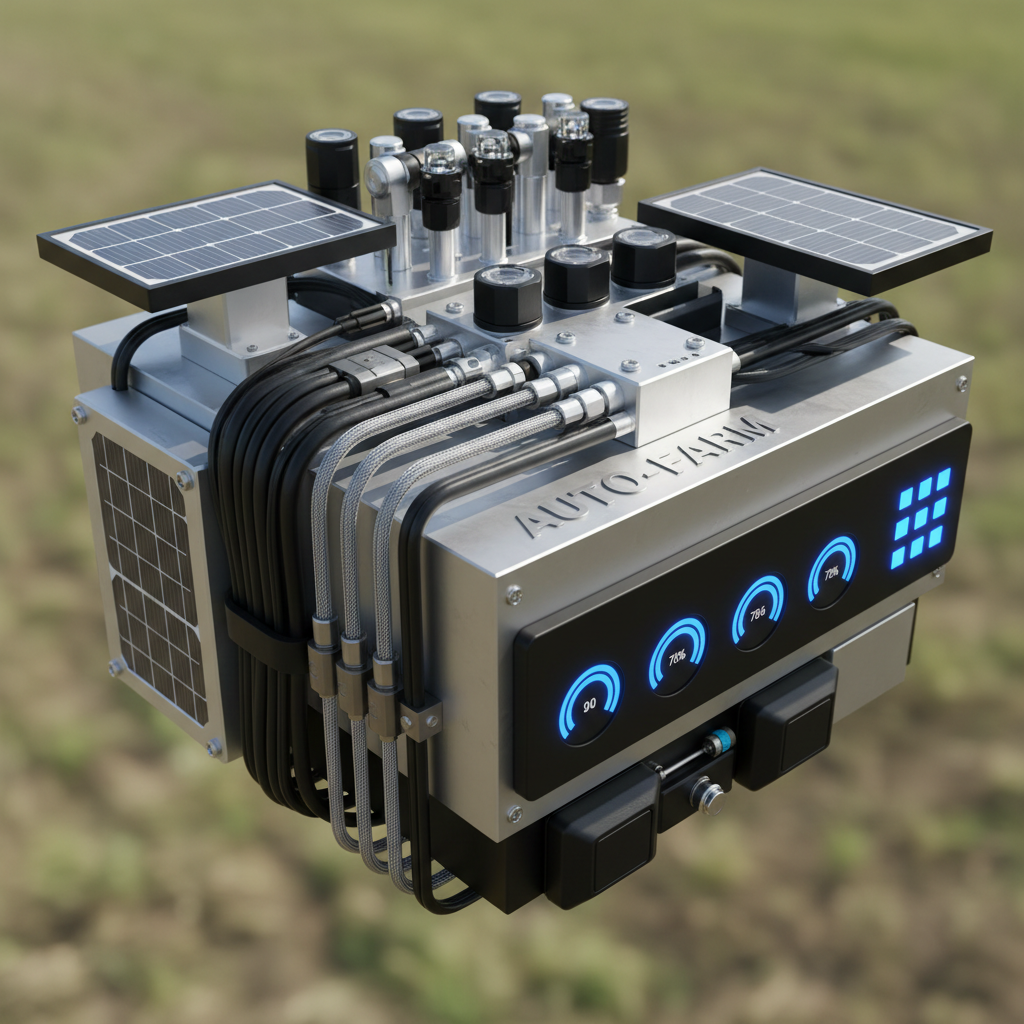
Understanding the *Return on Investment* (ROI) of these technologies is crucial for farmers considering their adoption. In this blog, we will explore the various factors that contribute to the ROI of robotic farming solutions in Denver.
Initial Investment and Costs
Implementing robotic solutions in farming requires a significant initial investment. The costs include purchasing the robots, integrating them into existing systems, and training staff to use them effectively. However, these expenses can be offset by long-term benefits.
The cost of robots has been steadily decreasing due to technological advancements and increased competition in the market. Additionally, some government incentives and grants may be available to Denver farmers to support the adoption of sustainable technologies.

Efficiency and Productivity Gains
One of the main benefits of robotic farming solutions is the increase in efficiency. Robots can operate 24/7 without fatigue, leading to faster planting, harvesting, and maintenance. This increased productivity can significantly impact a farm's bottom line.
Moreover, robots can perform tasks with high precision, reducing waste and maximizing yield. Denver farmers can particularly benefit from this precision, as it allows them to make the most of their available space and resources.
Labor Costs and Challenges
Labor shortages are a significant challenge in agriculture, and robotic solutions can help address this issue. By automating repetitive tasks, farms can reduce their reliance on manual labor, leading to cost savings.
Furthermore, robotic systems can take on dangerous or physically demanding tasks, improving worker safety and allowing human labor to focus on more complex activities that require decision-making and expertise.
Sustainability and Environmental Impact
Robotic farming solutions contribute to sustainability by optimizing resource use. For example, precision irrigation systems reduce water waste, and automated pest control minimizes the use of harmful chemicals.
These practices not only enhance environmental sustainability but can also improve a farm's public image, potentially leading to increased market opportunities and partnerships in eco-conscious markets.
Long-term ROI Considerations
While the initial investment in robotic solutions can be high, the long-term ROI is often favorable. Reduced labor costs, increased yields, and sustainability benefits can lead to significant financial returns over time.
Denver farmers who adopt robotic technologies may also gain a competitive edge in the market by offering higher-quality products and demonstrating a commitment to innovation and sustainability.
Conclusion
Understanding the ROI of robotic farming solutions involves considering both the immediate and long-term benefits. While the initial costs can be daunting, the potential for increased efficiency, reduced labor expenses, and enhanced sustainability make these technologies a promising investment for Denver farmers.
As the agricultural industry continues to evolve, embracing robotic solutions may be a vital step toward ensuring future profitability and sustainability in farming. By carefully evaluating the ROI, farmers can make informed decisions that align with their operational goals and community values.