Unlocking Farm Potential: How Robotics Improve Productivity


The Rise of Robotics in Agriculture
In recent years, the agricultural industry has witnessed a technological revolution. One of the most significant advancements is the integration of robotics into farming practices. This shift is not just a trend; it's a transformation that promises to enhance productivity and sustainability on farms worldwide.
Efficiency and Precision
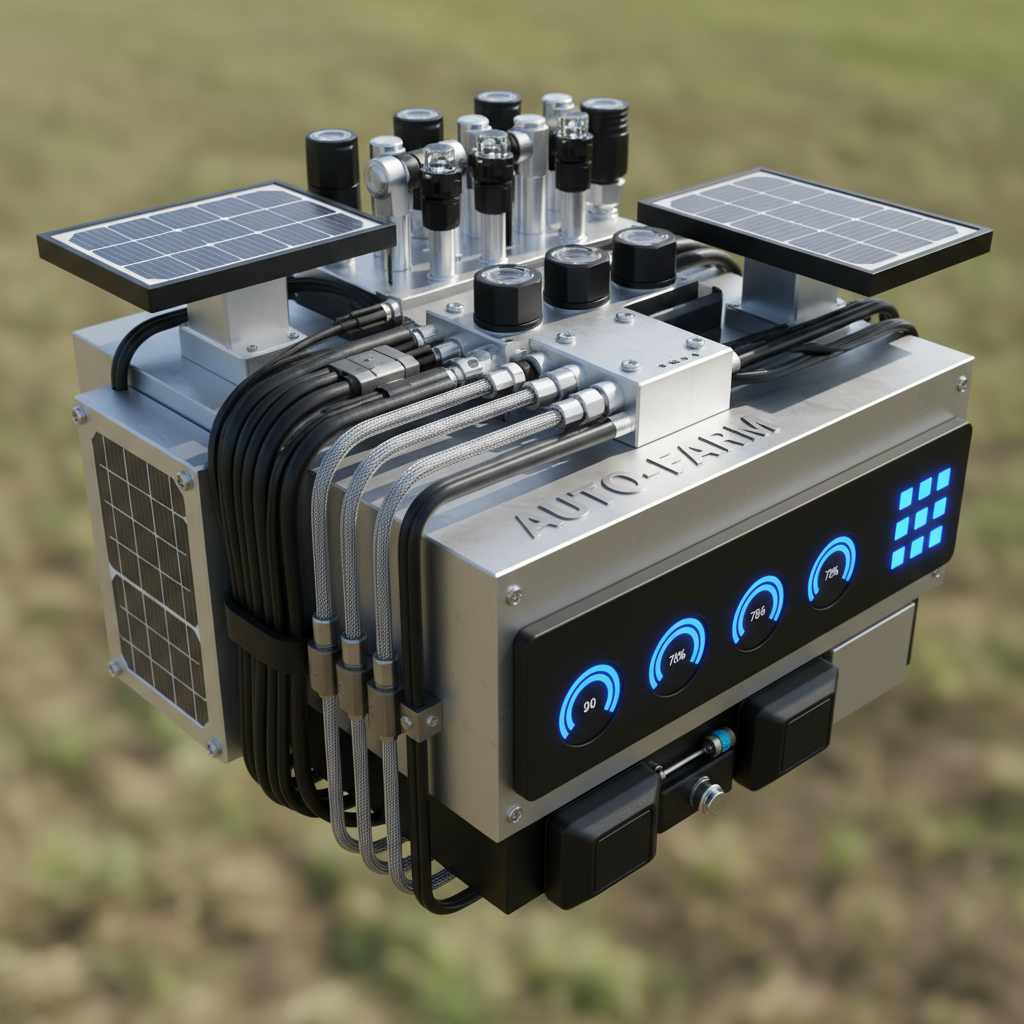
Robots are designed to perform repetitive tasks with remarkable accuracy, which is a boon for farming operations. From planting seeds to harvesting crops, robotics can handle tasks with precision that humans may find challenging to maintain consistently. This precision leads to a reduction in waste and an increase in yield.
Moreover, robotics can work around the clock without fatigue, ensuring that crucial farming activities are conducted at optimal times. The ability to maintain consistent operations regardless of weather conditions or time of day significantly boosts overall farm productivity.
Reducing Labor Costs
Labor costs have always been a significant expense in agriculture. With the introduction of robotics, farms can reduce their reliance on human labor, which not only cuts costs but also addresses the issue of labor shortages that many regions face. This shift allows farm owners to allocate resources more efficiently and invest in other areas of their operations.
Enhancing Crop Monitoring
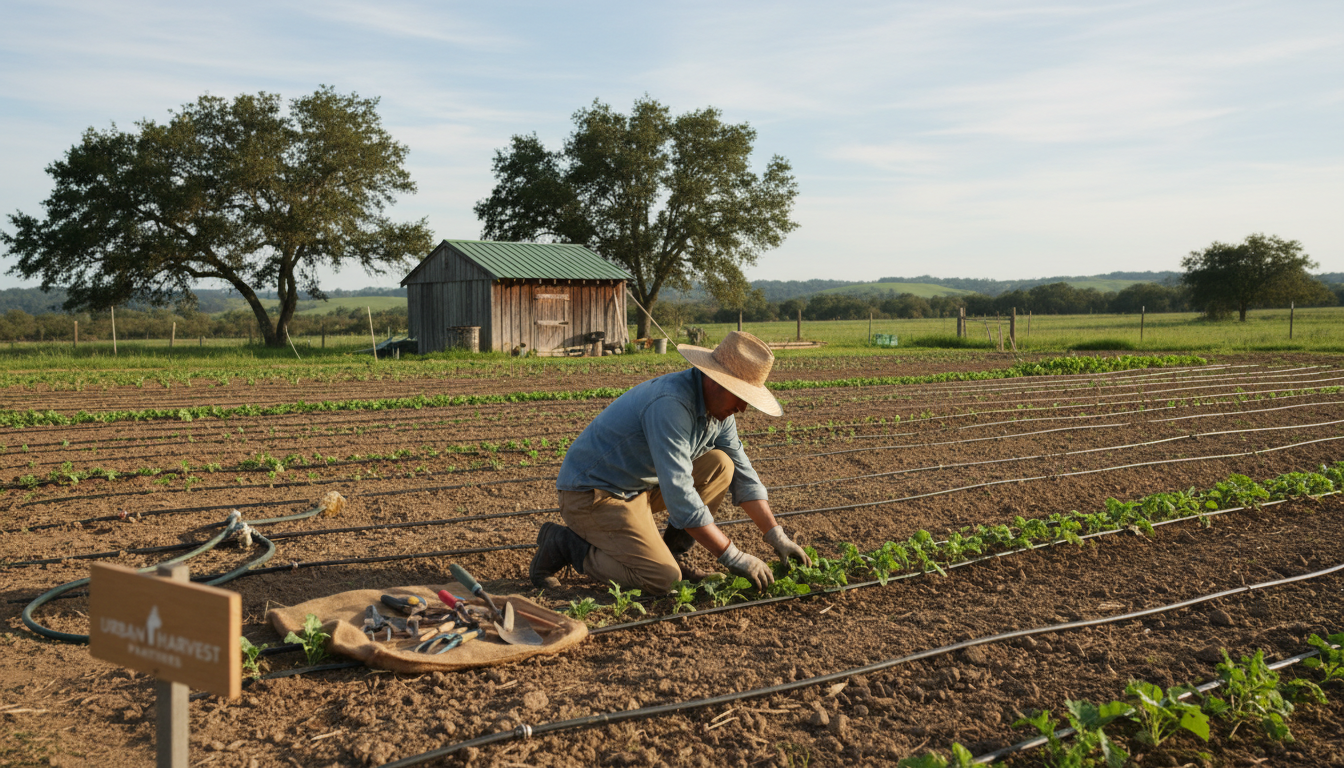
Robotics equipped with advanced sensors and imaging technologies can monitor crop health in real time. This capability allows farmers to detect diseases, pest infestations, and nutrient deficiencies early, enabling timely interventions that can save entire harvests. By providing detailed insights into crop conditions, robots help in making informed decisions, ultimately improving crop quality and yield.
Environmental Benefits
Beyond productivity, robotics in agriculture offer environmental advantages. Precision farming techniques minimize the use of water, fertilizers, and pesticides, reducing the environmental footprint of farming activities. This sustainable approach is crucial in addressing environmental concerns and promoting biodiversity.
Challenges and Future Prospects
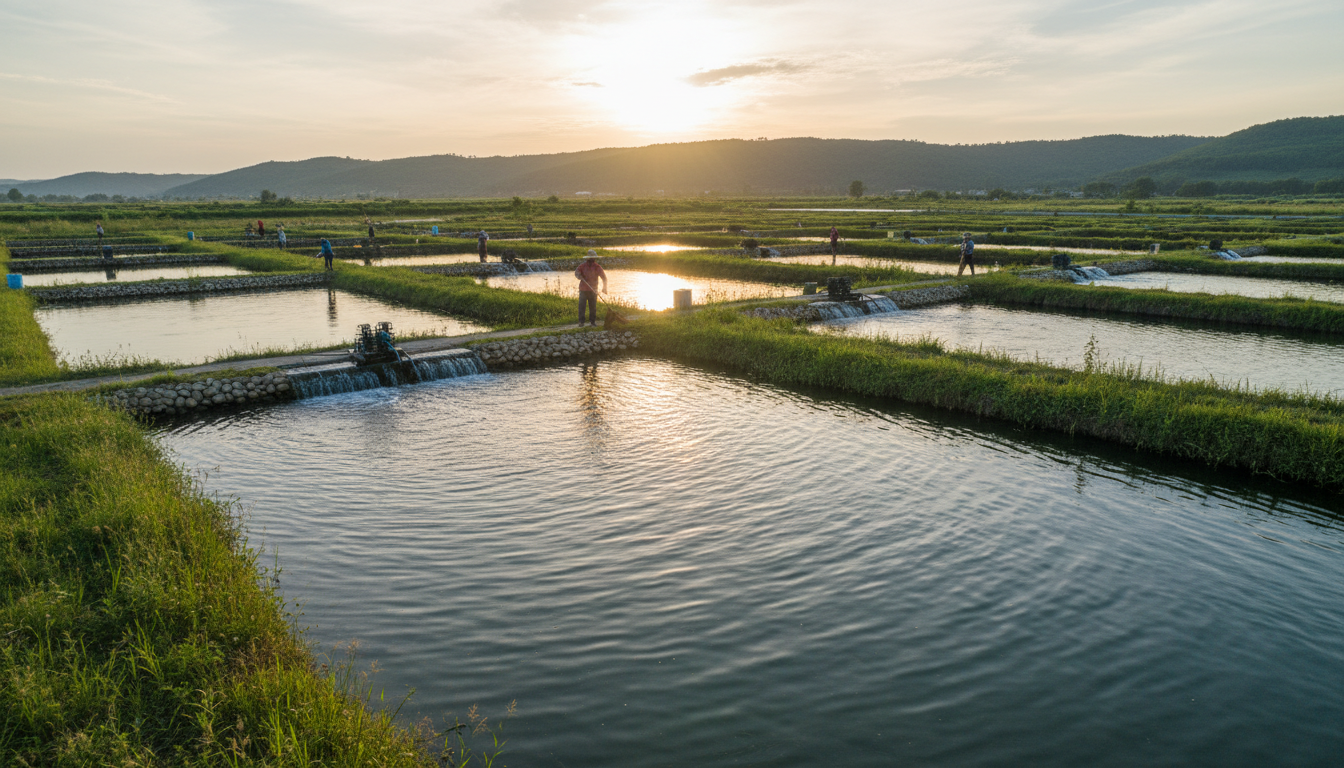
While the benefits are clear, integrating robotics into farming is not without challenges. The initial cost of acquiring and maintaining robotic systems can be high. Additionally, there is a learning curve associated with adopting new technologies. However, as technology advances and becomes more accessible, these barriers are likely to diminish.
The future of agriculture looks promising with the continuous development of robotics. As technology becomes more sophisticated, we can expect even greater innovations that will further enhance farm productivity and sustainability.
Conclusion
The integration of robotics into agriculture is revolutionizing the industry by boosting productivity, reducing costs, and promoting sustainable practices. As farmers embrace these technologies, they unlock new potentials that pave the way for a more efficient and environmentally friendly future in farming.