Unlocking the Future: How Precision Agriculture Technology is Transforming Farming in Denver


Introduction to Precision Agriculture
As the agricultural landscape evolves, precision agriculture technology is leading the way in transforming how farming is conducted. This shift is especially evident in Denver, where farmers are embracing cutting-edge tools to enhance productivity and sustainability. By utilizing innovative technologies, they are unlocking a future where farming is smarter, more efficient, and environmentally friendly.
What is Precision Agriculture?
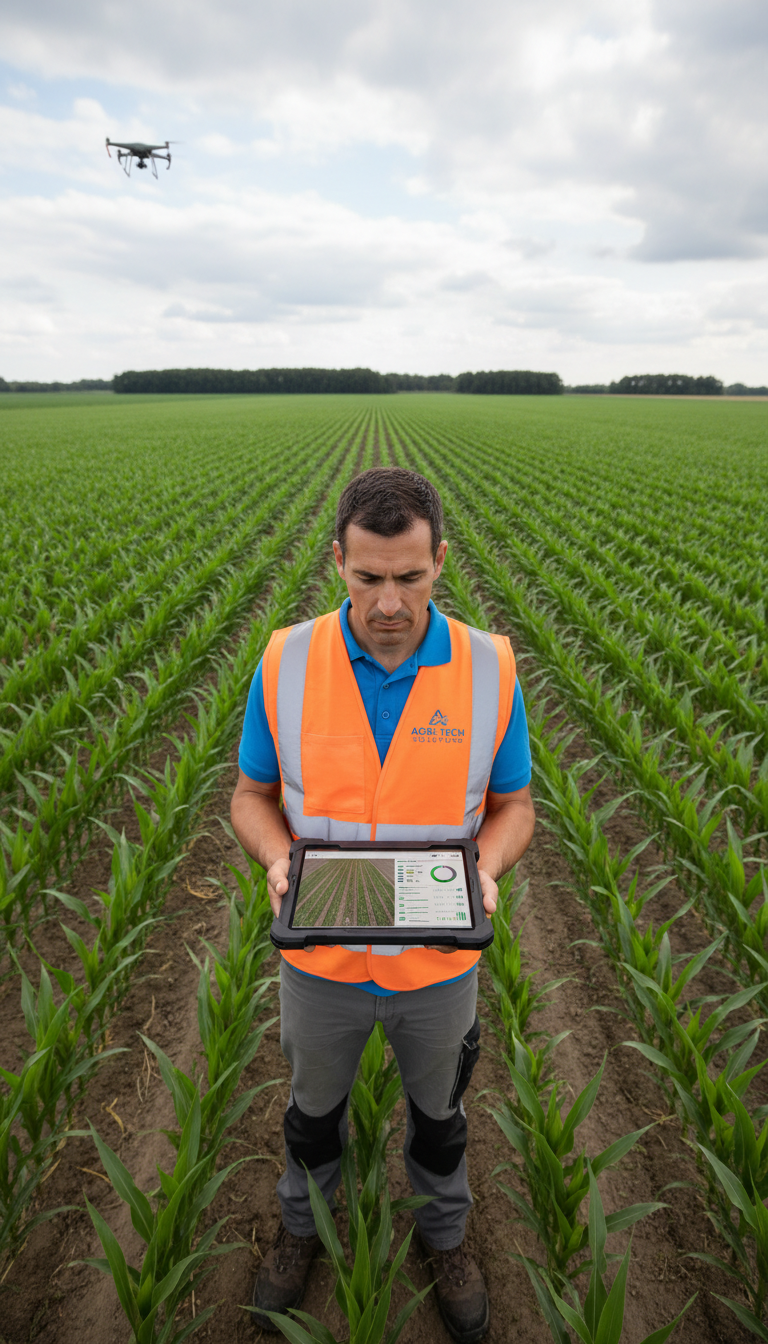
Precision agriculture involves using technology to monitor and manage crop production with high accuracy. By employing GPS, sensors, and data analytics, farmers can make informed decisions about planting, fertilization, and irrigation. This approach minimizes waste, optimizes resource use, and increases crop yields.
Key Technologies Driving Change
GPS and GIS
Global Positioning Systems (GPS) and Geographic Information Systems (GIS) play a crucial role in precision farming. They allow farmers to map fields accurately, monitor crop growth, and plan operations with pinpoint precision.
Remote Sensing
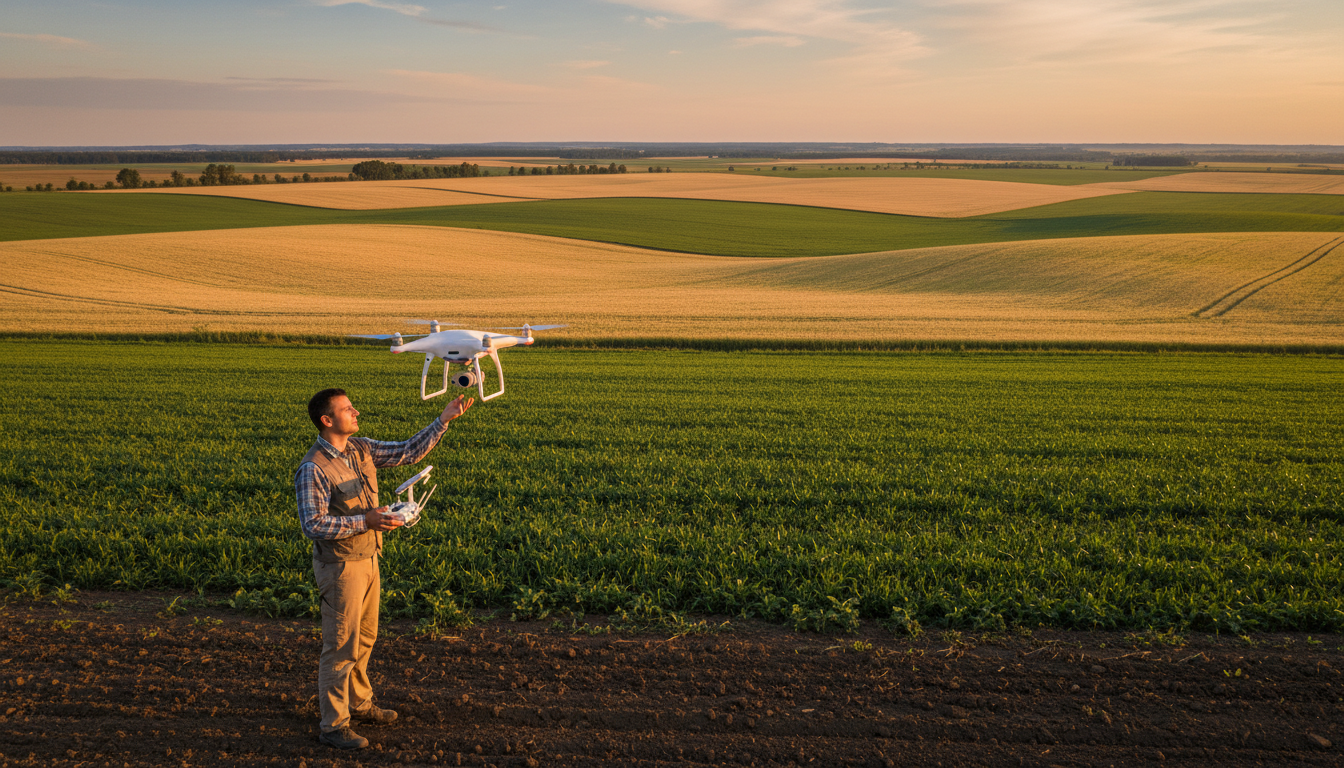
Remote sensing technology uses drones and satellites to gather data about crop health and soil conditions. This information helps farmers detect issues early, such as pest infestations or nutrient deficiencies, allowing for timely interventions.
Benefits of Precision Agriculture in Denver
Denver's farmers are reaping numerous benefits from adopting precision agriculture. Here are some key advantages:
- Increased Efficiency: By using data-driven insights, farmers can optimize their operations, reducing labor and material costs.
- Environmental Sustainability: Precision agriculture reduces the need for pesticides and fertilizers, decreasing environmental impact.
- Improved Crop Yields: With precise monitoring and management, crop yields can be significantly increased.
Challenges and Solutions
Despite its benefits, precision agriculture presents challenges, such as high initial costs and the need for technical expertise. However, solutions are emerging in the form of government incentives, training programs, and affordable technology options that make it accessible to more farmers.

The Future of Farming in Denver
The future of farming in Denver looks promising, thanks to precision agriculture. As technology continues to advance, farmers can expect even more innovative tools that will further enhance productivity and sustainability. The integration of artificial intelligence and machine learning is set to revolutionize farming practices, creating a more resilient agricultural sector.
Conclusion
Precision agriculture technology is transforming farming in Denver, providing farmers with the tools they need to succeed in a rapidly changing world. By embracing these advancements, they are not only improving their operations but also contributing to a sustainable future. As we look ahead, the potential for precision agriculture to shape the future of farming is immense, promising a more efficient and environmentally conscious agricultural industry.